Buying farmland is not a matter of comparing acreage and asking price. Two parcels in the same area can look similar from the road yet offer very different productive capacity, access, operating costs, legal obligations, and resale potential.


Buying farmland is not a matter of comparing acreage and asking price. Two parcels in the same area can look similar from the road yet offer very different productive capacity, access, operating costs, legal obligations, and resale potential.


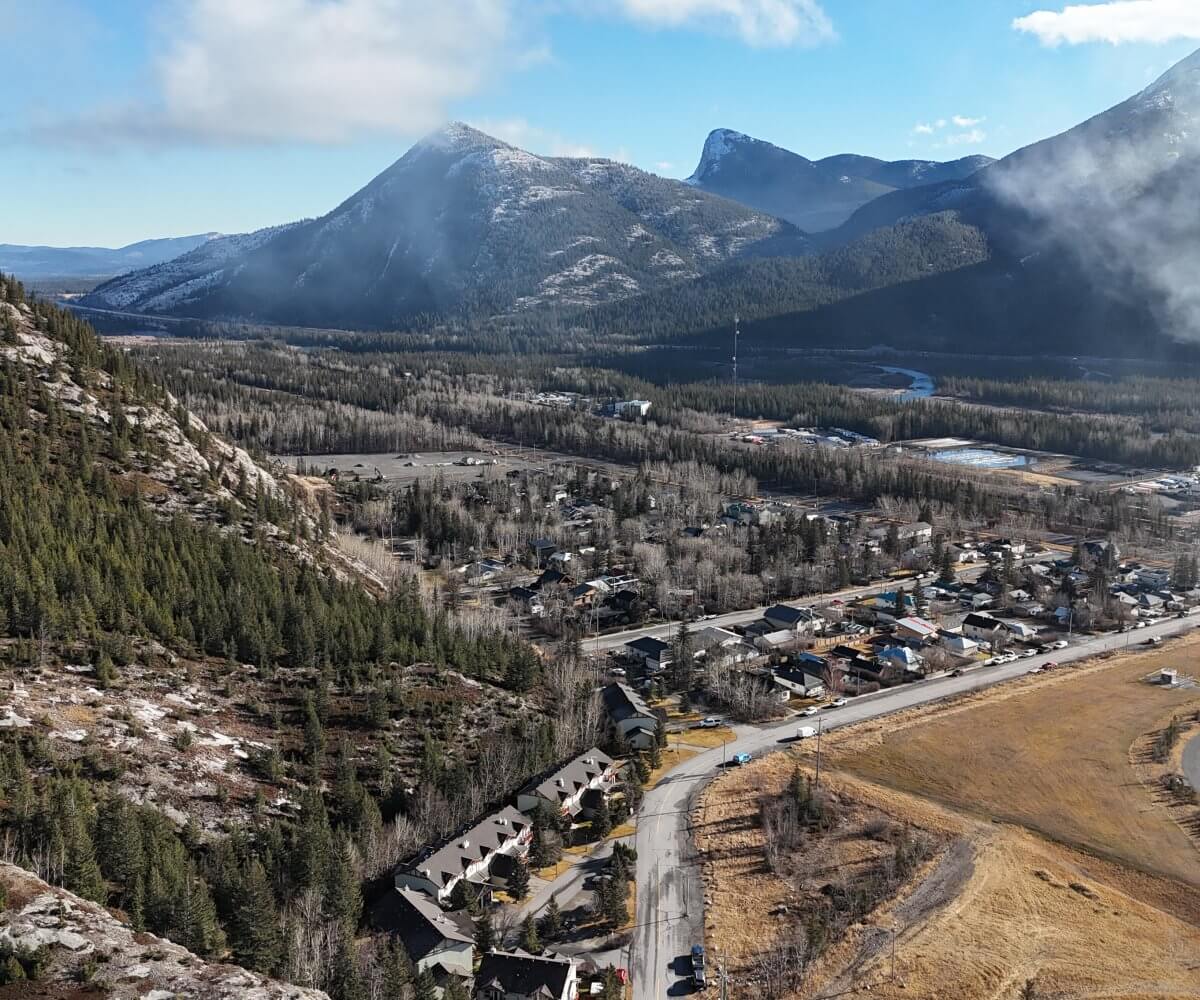
If you’ve ever looked at rural listings and thought, “That seems expensive for what it is,” you’re not alone. Most people are taught to measure land value the same way they measure almost everything else: compare price per acre, glance at a map, skim the photos, then decide if it feels fair. But Alberta land value rarely behaves that neatly. The truth is that “value” is often invisible at first glance, and the land that looks ordinary on a screen can be the land that holds up best over time, while the land that looks spectacular can be surprisingly hard to resell if key fundamentals are missing. So let’s put land value under a microscope and test a few common beliefs that buyers repeat to each other, often confidently, and often wrongly. Along the way, we’ll use two current Alberta listings as proof points woven directly into the realities: a rural holding at TWP RD 622 & RR 213 in Thorhild County, and a 65-acre property along Windridge Road in Rural Bighorn No. 8. This is investigative by design. Not hype. Not “hot takes.” Just the patterns that actually drive long-term demand in Alberta land. Myth 1: Price per acre tells you what a property is worth Why people believe it Price per acre is simple, fast, and easy to compare. It feels objective. It also gives buyers a comforting sense that they are doing “the math” correctly. Reality: price per acre can be a distraction Price per acre is a blunt instrument. It ignores what actually creates value: access, use flexibility, local scarcity, and buyer pool depth. A plain example: a parcel that looks “expensive per acre” might be priced that way because it’s easier to use, easier to access, and easier to sell later. Meanwhile, a “cheap per acre” property can become expensive the moment you learn what you cannot do with it, or what it costs to make it functional. This is where the Alberta land market gets practical. Farm Credit Canada’s Farmland Values Report shows cultivated farmland values in Canada rose again in 2024, extending a long-running trend tied to demand for quality land and limited supply. That doesn’t mean every parcel rises the same way. It means the market consistently pays more for land that fits real use and real demand. Now consider how a buyer might evaluate a rural holding like the Thorhild County listing at TWP RD 622 & RR 213. A buyer looking only at price per acre might miss the bigger question: how many future buyers will want this kind of rural property because it’s straightforward to understand and practical to hold? Land that is easy to operate and easy to explain tends to keep its buyer pool healthy. On the other side, a property like the 65 acres along Windridge Road in Bighorn No. 8 can trigger the opposite mistake. People see a setting like that and assume the value is obvious. Sometimes it is. Sometimes it isn’t. The real question becomes whether the property’s fundamentals support long-term demand, not just first impressions. Investigative takeaway Instead of “What’s the price per acre?” ask: What can this land realistically be used for today? How many buyer types would want it later? What makes it easier to own, operate, and re-sell? Price per acre is a datapoint. It is not the verdict. Myth 2: “Good land sells itself” and marketing is mostly optional Why people believe it Land is tangible. It’s not a gadget. People assume it doesn’t need explanation because “buyers will see it.” Reality: the land that sells best is the land that is easiest to understand Land is one of the most misunderstood purchases in Alberta. Buyers are trying to interpret access, future use, local restrictions, services, and regional growth signals, often without experience. When information is unclear, buyers hesitate. When buyers hesitate, listings stagnate. And when listings stagnate, people start to confuse “not selling” with “not valuable.” This matters even more right now because interest in rural and small-town living has been rising in many parts of Canada. Statistics Canada reports that from 2021 to 2024, rural and small town populations increased in 10 of 13 provinces and territories. More rural interest means more buyers, but also more first-time buyers. More first-time buyers means more questions, more uncertainty, and more need for clear guidance. So when someone says, “Good land sells itself,” the investigative response is: good land sells best when the story is clear. That is exactly why weaving listings into educational content works. If a buyer is reading about what actually drives long-term demand, then sees a relevant listing in the flow, it doesn’t feel like an advertisement. It feels like evidence. In this context, the Thorhild County listing becomes proof of “clarity value.” A buyer who wants land they can hold confidently tends to lean toward properties that are simple to explain: where it is, what it is, how it can be used, and why someone else might want it later. Meanwhile, the Bighorn listing becomes proof of “scarcity value.” Scenic and recreation-forward properties can be deeply compelling, but buyers still need a clear frame: what makes it rare, how the region supports ownership, and what kind of buyer demand is realistic over time. Investigative takeaway Land does not sell itself. Clarity sells land. Myth 3: Land value is mostly about what the land is, not what’s around it Why people believe it People fixate on the parcel: acreage, trees, views, open space, soil, topography. That’s understandable. But it misses how land value trends form. Reality: value is often created by the region, not the parcel One of the most consistent drivers of Alberta land value is the regional story: infrastructure, municipal planning, and how an area is evolving. Alberta’s Land-use Framework describes a long-term approach to managing land and resources through regional planning. It’s designed to address growth pressures while balancing economic, environmental, and social goals. In plain language: the province and municipalities
Jump To: Can rural land in Alberta really be the next quiet gold rush… or is that just a myth? At first glance, the idea seems unrealistic. The prairie stretches out in every direction. Quiet fencelines. Gravel roads. Small towns that appear unchanged for decades. Nothing about these landscapes screams “investment boom.” Yet if you listen closely, to local councils, infrastructure planners, agricultural economists, landowners who’ve held onto parcels for years, you start to hear a different story. A slower one. A truer one. A story about a province whose rural edges are shifting, not through hype or frenzy, but through steady, meaningful development. This is the kind of shift in rural real estate Alberta that only becomes obvious in hindsight. But for landowners and investors paying attention now, it’s already happening. How Rural Alberta’s Quiet Shift Began Rural Alberta has always been foundational to the province’s economy, but its role is changing. According to research by the Prentice Institute for Global Population and Economy, rural regions contribute nearly 25 percent of Alberta’s GDP despite far smaller populations. This economic weight is prompting more intentional planning and smarter development across rural municipalities. Alberta’s Land-Use Framework outlines a commitment to coordinated growth, transportation planning, agricultural protection, and long-term sustainability for rural regions allowing growing land investment. In practical terms, that means: Roads are being upgraded. Utility connections are expanding. Broadband is reaching previously disconnected pockets. Small towns are preparing for future population increases. These changes don’t come with ribbon-cuttings or dramatic headlines, but they reshape land value, slowly at first, then unmistakably. Two Alberta Land Stories That Show the Pattern Story 1: The Grazing Lease That Became a Strategic Opportunity A landowner in southern Alberta held about 160 acres, leased out seasonally for grazing. It wasn’t glamorous. The income was small but consistent. The land required little attention. It was the definition of a passive hold.Then a nearby transportation upgrade began. Then a municipal growth plan was updated.Then developers began taking interest. Nothing about the land itself changed. Everything around it did. Within a few years, the landowner sold for a return that far exceeded the property’s historical lease value. Their “passive” approach worked not because of luck but because they understood something simple: rural development almost always arrives quietly before it arrives publicly. Story 2: A Family Holding on the Edge of a Growing Town Another family owned land just beyond the edge of a small Alberta community. For decades, they treated it as a place for hay, grazing, and quiet enjoyment. But as the town saw population inflows, a few things happened: Broadband expanded into the corridor. A nearby subdivision began to fill. Regional plans reclassified areas for future growth. As access improved and housing demand increased, so did inquiries from developers and commercial interests. Rezoning discussions opened. Interest in portions of the land grew quickly. The family didn’t have to build anything. They simply held a parcel in the right place, during the right decade, as Alberta’s rural development pattern shifted around them. The Data Behind Alberta’s Rural Momentum Separate from personal stories, the numbers show the same steady trend. Farmland values continue upward Reports from Alberta and national agricultural surveys show that farmland values across the province increased through 2024–2025, with Southern and Central Alberta seeing the most meaningful gains. Municipalities are rethinking land use Land-use planning reports indicate that municipalities are adjusting growth boundaries, revisiting zoning, and preparing for rural economic diversification. Rural development demand is rising nationwide Housing pressures, remote work adoption, and long-term infrastructure projects have created renewed interest in rural and exurban areas across Canada. When you line up the stories, planning documents, infrastructure shifts, and value trends, it becomes clear that rural Alberta is experiencing something meaningful, even if it’s not loud. How Investors Earn Without Building: The Practical Alberta Models Many people assume rural land investment requires heavy development. In Alberta, that simply isn’t true. Here are the models already generating value: 1. Agricultural and Grazing Leases Low-effort, dependable, and often recurring. Cropland leases, pasture leases, and hay agreements are common income models. 2. Utility Corridors and Access Agreements As infrastructure expands, land positioned near corridors becomes useful for rights-of-way, access routes, signage, or small utility installations. 3. Strategic Holding for Long-Term Value Often the strongest play. As communities grow outward, rural parcels positioned along future access routes tend to see outsized gains. 4. Seasonal and Recreational Uses Temporary hunting access, seasonal rentals, or specialty outdoor activities can produce additional income with minimal land disturbance. These aren’t get-rich-quick ideas, they’re strategies built on understanding Alberta’s land rhythm. Two Live Examples That Reflect Alberta’s Rural Shift 142 Township Range Rd 225, Vulcan, Alberta This rural property for sale in Alberta is positioned in an area seeing gradual infrastructure improvement and community interest. With agricultural usefulness today and future strategic potential, it mirrors exactly the pattern discussed above. Aurora Heights Phase 4 This rural development is situated near an expanding community footprint, this parcel stands at the intersection of rural landscape and outward-moving development. It is a strong example of how location and timing create long-term potential. These listings aren’t hypothetical illustrations. They represent what is genuinely happening across Alberta’s rural landscape. So… Is This Alberta’s Quiet Gold Rush? Not in the cinematic sense. There are no stampedes or speculative frenzies. But in the practical, strategic, wealth-building sense?Yes, this is exactly what a modern rural gold rush looks like. Gradual infrastructure changes.Forward-looking municipal planning.Steady population pressure.Broadband expansion.Agricultural diversification.Renewed interest in rural living. Rural Alberta isn’t being transformed overnight, it’s being repositioned for the next 10 to 20 years. Those who understand land, not as a quick flip, but as a strategic asset, are already paying attention. Why Work with Hansen Land Brokers? Buying or selling rural property in Alberta requires experience, strategy, and an understanding of how land behaves during transitional periods. Hansen Land Brokers specializes in rural real estate, helping clients navigate every stage of the land transaction process,

In Alberta, the idea of carving out a self-reliant life on your own land has never felt more achievable, or more meaningful. Across the foothills west of Highway 2, small acreages and rural tracts are turning into full-scale self-sustaining homesteads. These aren’t remote hideaways; they’re thoughtfully managed properties where independence, resourcefulness, and Alberta’s agricultural strength come together. For many, the journey starts with a clear goal: find land that supports a self-sufficient property; one that provides privacy, productive soil, clean water access, and the freedom to build sustainably. Jump To: Why Alberta Is Ideal for a Self-Sustaining Lifestyle Few places balance natural resources, economic stability, and community the way Alberta does. The province holds some of Canada’s most adaptable land for agricultural and recreational use, with fertile corridors stretching from the southern prairies to the wooded slopes along the Rockies. According to Statistics Canada, Alberta consistently ranks among the country’s leaders in farmland value growth. Even through market shifts, rural land continues to perform well as both a lifestyle and long-term asset. That growth is most visible west of Highway 2 along the eastern slopes of the Rockies, where properties benefit from good drainage, natural shelter from wind, and proximity to mountain runoff that supports grazing and small-scale crop operations. As Shawn Hansen of Hansen Land explains: “Looking for a property to homestead can be quite an undertaking. To find a smaller tract of land within the hills, trees, and topography of the western side of both Foothills County and Rocky View County is an adventure. You’ll need to find a broker that specializes in those properties, commit yourself to working with them, and your chances are increased significantly.” Start with the Land Itself Before thinking about crops, livestock, or solar panels, focus on the ground beneath your feet. Soil type, water access, and zoning rules determine what kind of homestead you can actually build. Soil & drainage: The Foothills corridor offers sandy-loam soils that drain well, ideal for small gardens or rotational grazing. Water sources: Creeks, dugouts, or well access are vital. Water licensing in Alberta is regulated; make sure you understand diversion rights early. Access & roads: Even remote acreages should allow safe year-round access for equipment and supply delivery. For deeper context on how Alberta parcels are measured and described, see Alberta Township Systems: What It Is and How It Works. Plan for Energy Independence Building a self-sufficient property means generating or conserving as much energy as possible. Many homesteads combine multiple systems: Solar panels for power generation and battery storage. Wind turbines for supplemental energy during winter months. Efficient heating such as geothermal or wood-burning stoves for colder seasons. The Alberta Government’s Energy Efficiency Rebate Program provides valuable insight into small-scale renewable options suitable for rural areas. Pairing these with passive design: south-facing windows, thermal mass walls, and natural ventilation, can reduce grid dependence dramatically. Build for Durability and Scale A homestead isn’t built overnight. It evolves. Starting with a modest footprint allows you to adapt as you learn how your land behaves across seasons. Key building considerations: Orientation: Position living areas to capture sun in winter and shade in summer. Materials: Locally sourced timber and metal roofing handle Alberta’s freeze-thaw cycle better than synthetic alternatives. Outbuildings: Prioritize a heated workshop or barn that doubles as storage for feed, tools, or solar batteries. Regulatory note: Before construction, confirm municipal zoning and development permits. Hansen Land Brokers’ clients often start this process while reviewing land title details and Alberta Farmland Values, ensuring the investment aligns with long-term goals. Grow What the Land Supports A resilient homestead mirrors the local ecosystem. In Alberta’s foothills: Vegetable gardens thrive with hardy crops like kale, potatoes, and carrots that tolerate shorter growing seasons. Small livestock: goats, chickens, and cattle can graze efficiently on mixed pasture. Cover crops such as clover and rye rebuild soil nutrients naturally. If you’re evaluating farmland productivity, the Alberta Agricultural Regions Map provides useful data on soil classification and precipitation zones. Those interested in buying productive acreage may also value Hansen Land’s guide on Finding Farms for Sale in Central Alberta. Integrate Water Management Early A self-sustaining homestead depends on efficient water systems. Rural properties west of Hwy 2 often benefit from natural springs or runoff channels from the Rockies, but those advantages require smart planning: Install cisterns or rain-capture systems to offset dry summers. Use gravity-fed irrigation for gardens and livestock troughs. Plan drainage swales to prevent erosion on sloped terrain. These improvements increase both livability and resale value. In some cases, they can also support eligibility for agricultural tax benefits, see Applying for Farm Status in Alberta (2025 Guide). Balance Privacy with Access to Services Homesteading doesn’t mean isolation. The best properties strike a balance, quiet enough for independence yet close enough to towns like Okotoks, Cochrane, or Blackfalds for access to feed suppliers, schools, and health care. Proximity to markets also allows you to sell produce or host agri-tourism experiences, both growing trends in Alberta’s rural economy. The province’s Small Farm Development Initiative shows increasing support for these diversified operations. Consider the Long-Term Economics A self-sustaining homestead can offset living expenses, but it should also be viewed as a financial asset. Alberta’s farmland and rural acreages have continued to appreciate due to limited supply near mountain corridors and ongoing demand for lifestyle properties. Investors and families alike see homesteads as dual-purpose: a way to live meaningfully and a hedge against inflation. Maintaining strong stewardship practices: rotational grazing, water conservation, and native tree planting, protects land value while contributing to the region’s ecological health. Work with a Land Broker Who Understands Rural Alberta Locating the right acreage isn’t just about searching listings. It’s about insight into zoning, water licensing, access easements, and market timing. A land broker specializing exclusively in Alberta land can guide you through each stage, from valuation to closing. Unlike residential agents, land brokers analyze soil capability, topography, and agricultural classification. They also

Alberta’s ranching legacy runs deep, rooted in a culture of stewardship, hard work, and respect for the land. Whether it’s dryland pastures, irrigated grazing lands, or mixed-use properties, ranches for sale in Alberta represent a unique investment opportunity that goes far beyond a basic land transaction. Buying or selling ranch land is rarely straightforward. Each parcel comes with its own environmental, economic, and regulatory nuances. From grazing leases and water rights to soil classifications and zoning bylaws, there’s a lot to sort through. That’s where a specialized land broker steps in, not just to facilitate the transaction, but to make sure it’s a smart, strategic move for you. Jump To: Alberta’s Ranching Market: A Brief Snapshot Ranching remains a cornerstone of Alberta’s economy and cultural identity. As of the latest data from Statistics Canada, Alberta leads the nation with over 4.6 million hectares of pasture land, housing nearly 40% of Canada’s beef cows. The province offers a wide range of ranch properties, from foothill grasslands to prairie rangelands, each with different implications for livestock, land use, and long-term sustainability. But that variation also creates complexity. And complexity calls for more than a generalist approach. What Makes Ranch Land Different? Not all land is created equal. While ranches for sale in Alberta can share similarities with farms, recreational land, or acreages, they require a more nuanced perspective due to: Grazing Leases Public land leases (often referred to as Grazing Leases or Grazing Dispositions) are a critical part of many Alberta ranches. These are regulated under the Public Lands Act, with leaseholders paying annual fees and meeting specific land stewardship standards. Understanding how these leases are transferred, or not, is vital to the deal. Water Access and Rights Ranches depend on sustainable access to water for livestock and possibly irrigation. Alberta Environment and Protected Areas manages Water Act licensing, which governs both surface and groundwater use. An oversight here could mean costly legal battles or operational limitations down the line. Soil and Carrying Capacity The soil composition directly impacts the land’s ability to support livestock. A knowledgeable land broker can access agricultural capability ratings and guide buyers on realistic carrying capacities. Zoning and Land Use Zoning bylaws can limit or support ranch operations depending on the municipality. Some areas may restrict outbuildings, subdivisions, or other agricultural expansions. Having someone well-versed in regional regulations can avoid future roadblocks. Why a Specialized Land Broker Changes the Outcome The stakes in a ranch transaction are too high to treat it like a residential or commercial property deal. A land broker who specializes in Alberta ranch properties brings experience, data, and a relationship-driven approach that general brokerages often miss. Deep Knowledge of Agricultural Legislation From the Alberta Land Stewardship Act to the Agricultural Operation Practices Act, these aren’t minor details. They’re deal-breakers, or deal-makers. Brokers with firsthand knowledge help navigate the right compliance paths to avoid financial or legal setbacks. Tailored Marketing and Buyer Matching When you’re selling, you don’t just need exposure. You need exposure to the right audience, those who understand the value of the land, its operational potential, and are prepared for the stewardship it demands. A specialized land broker knows where those buyers are and how to speak their language. Strategic Financing Support Financing ranch land isn’t the same as financing a house or even a general agricultural parcel. Knowing how to guide buyers through tailored financial solutions, including ag-specific loans, is critical. If you’re interested in how to secure that kind of financing, take a look at our guide: Purchasing Land? Here’s How to Apply for a Loan in Canada Common Pitfalls a Generalist Might Miss A broker without rural land experience might overlook key issues that can derail a ranch transaction or diminish its value. Some red flags that require specialized attention include: • Unclear title on leased grazing land • Misidentified soil productivity • Improper fencing or boundary assessments • Lack of due diligence on wildlife conservation easements • Absence of Environmental Farm Plan documentation In contrast, a land broker with a strong background in Alberta’s agricultural industry knows how to pre-screen for these issues and, more importantly, how to solve them. The Role of a Broker in Identifying Investment Potential Not every buyer is a lifelong rancher. Some are looking at ranches for sale in Alberta as long-term investments, lifestyle opportunities, or for diversification. A land broker helps assess not only current use but future value, resale timing, and return on investment through multiple avenues, including: • Agricultural production • Conservation easements • Ecotourism and hunting leases • Leasing land to local producers This sort of strategic planning is invaluable and often missed without the right guidance. Regional Expertise Is Not Optional Let’s say you’re focused on central Alberta. A broker who knows the ins and outs of that region, down to the bylaws, drainage patterns, flood risks, and buyer demand, can offer real leverage. If central Alberta is your target, check out our detailed guide: Looking for Farms for Sale in Alberta? Here’s How to Find the Best Ones in Central Alberta How Brokers Help You Move From Land to Livestock Buying ranch land is one thing. Turning it into a functional ranch operation is another. A land broker doesn’t just connect you to a parcel; they help you connect the dots: fencing, shelter, grazing schedules, and even steps like applying for farm status. That process is more than paperwork. It affects your taxes, insurance, and eligibility for programs. Here’s what that process looks like in Alberta: Applying for Farm Status in Alberta – 2025 Guide Market Trends You Should Know As of mid-2025, Alberta’s ranch market continues to show strong buyer interest, particularly in regions with established grazing leases and close proximity to feedlot infrastructure. According to Alberta Agriculture and Irrigation, land prices have increased steadily over the past five years, particularly for properties in the southern and central zones. High inflation and interest rate fluctuations have led some buyers to diversify portfolios into

The snow’s gone, the cows are out, and your weekends are spent watching life take shape on your land. You’re not working the land for show—you’re doing it to build something that feeds your family, or someone else’s. But if the province still sees your property as just rural real estate? You’re likely paying more in taxes than you need to. That’s why farm status matters. In Alberta, land that qualifies as a working farm can receive a regulated assessment rate, which typically means a much lower property tax bill—and clearer access to agriculture-related programs. If your land is in use for grazing, hay, crop production, livestock, or even leased for those purposes, you might already meet the threshold. The only step left is to apply. Here’s what landowners need to know to apply for farm status in 2025—and how to avoid the common mistakes that cause delays or missed opportunities. Jump To: What “Farm Status” Actually Means in Alberta In simple terms, farm status is a tax classification. It means your land is being actively used for farming—by you or by someone leasing it—and it qualifies for a lower regulated assessment rate under Alberta’s Municipal Government Act. It’s not about zoning or intentions. It’s about real use. The result? Lower property taxes, and official recognition that your land is producing or supporting agriculture. It also strengthens your agricultural benefits claim and positions your property for future incentives, grants, and clearer succession planning. Who Can Qualify You don’t need to be running a massive operation. As of now, if your land generates at least $5,000 in gross annual farm income, it may qualify. That income can come from selling hay, livestock, grains, or even through leasing the land to someone actively farming it. The province recognizes a wide range of agricultural activities, including: • Grazing and pasture• Crop and hay production• Livestock breeding or boarding• Greenhouse and apiary operations• Other income-generating uses tied directly to farming If your land is leased, the leaseholder’s activity and income count toward the application—but both parties will need to submit documentation. How to Apply in 2025 Applications are typically submitted through your local municipality or county assessor. Deadlines vary, but most close by the end of December for the following tax year. Early submission is better—especially if you’re applying for the first time or making changes to your existing status. You’ll be asked to provide: • A completed farm status application form (from your local municipality) • Proof of gross income from agricultural operations (e.g., T2042, sales records, or lease agreements) • A declaration of farming activity (if leasing your land to an operator) • Ownership documents and parcel info If you manage multiple parcels or properties across counties, you’ll likely need to submit a package for each jurisdiction. You can start by reviewing current eligibility details on Alberta’s official farm status page. What Trips Up Most Landowners The most common mistake? Filing late or assuming your land will roll over automatically year to year. Most municipalities require updated proof annually, especially for income or lease use. Another issue is submitting incomplete paperwork—especially if you’re new to farming or just starting to lease your land. Even small operations need to show documented income. And leaseholders must have formal, signed agreements that confirm agricultural use—not just verbal arrangements. After You Apply: What to Expect Your local assessor will review your documents and may ask for clarification. If approved, your property will be assessed at the farm rate starting the next tax year. If denied, you’ll receive a written explanation and in most cases, have the right to appeal or reapply with additional proof. Approval doesn’t last forever. You’ll need to resubmit documentation each year, and notify the municipality of any major changes—like ending a lease, shifting use, or subdividing. Why Farm Status Is a Strategic Move in 2025 Even if you’re not full-time in agriculture, having your land formally recognized as farm property can make a big difference. It lowers your tax load, legitimizes your agricultural benefits claim, and—if you’re leasing—it can increase the appeal of your land to operators. As the province’s agricultural economy keeps evolving, so does the competition for land—and the need for clarity around use. More landowners are applying farm status not just to save on taxes, but to future-proof their holdings. Whether you’re planning to build, sell, pass land down, or simply use it more efficiently, having the right classification in place makes that path easier. What to Watch For in 2025 At the time of writing, Alberta hasn’t introduced major changes to farm status policy—but minor updates could still come. Some municipalities are revisiting lease rules and proof-of-income standards. It’s worth checking with your local assessor and watching for any income threshold adjustments before the 2025 deadline. Alberta Municipal Affairs and Alberta Agriculture and Irrigation are your go-to sources for official updates. If You’re Thinking Ahead Whether you’re running a few cows, cutting hay, or leasing land to a neighbour, applying for farm status is one of the simplest ways to formalize the agricultural value of your property. It’s not complicated—but it does require attention to detail and timing. If you’re not sure where to start, Hansen Land works with landowners across rural Alberta who want to apply—or are considering buying property that could qualify. We can help you apply, assess your land’s eligibility, or connect you with new opportunities that align with your agricultural goals. You can also explore our agricultural listings or check out this grass management guide for Alberta ranchers to see how other landowners are maximizing long-term value.

Farms and acreages for sale in Central Alberta have consistently attracted attention from both experienced farmers and savvy land investors. This region, known for its fertile soils, reliable yields, and strong agricultural infrastructure, presents a compelling opportunity for those looking to invest in Alberta’s thriving farmland market. It’s more than just a piece of property—it’s a chance to secure a tangible asset with long-term growth potential, backed by the ever-present demand for food production, rural living, and land-based investments. But finding the right farm isn’t as simple as scanning listings or comparing prices. Each parcel of land tells a different story, with its own soil composition, water access, and productivity potential. Success in this market requires a deeper approach—understanding the factors that influence farmland values, recognizing the unique advantages of Central Alberta, and knowing how to evaluate properties for both immediate returns and future growth. This guide provides a detailed look at how to find the best farms for sale in Alberta, with a particular focus on acreages for sale in Central Alberta. From soil analysis and financing options to location insights and potential pitfalls, you’ll learn how to make an informed, strategic decision that aligns with your goals—whether you’re building a family legacy, expanding operations, or investing in Alberta’s agricultural future. Jump To: The Strength of Alberta’s Farmland Market Alberta has built its reputation as an agricultural powerhouse on strong fundamentals—rich soil, steady commodity demand, and an economy that supports both large-scale operations and family-owned farms. Why Central Alberta? Central Alberta stands out as one of the most attractive regions for farmland investment, offering a rare balance between affordability and productivity. While areas like Southern Alberta have seen prices surge due to irrigation infrastructure and large-scale corporate acquisitions, Central Alberta continues to offer fertile, high-yield land at more accessible price points. The region’s soil quality, particularly the rich black and dark brown chernozemic soils, supports a wide variety of crops, from wheat and canola to pulses and specialty grains. These natural advantages, combined with a stable climate and reliable growing seasons, make Central Alberta a practical and profitable choice for both farmers and investors alike. Beyond the soil, the region benefits from well-established infrastructure and strong community support. Central Alberta sits within easy reach of key transportation routes, including the Queen Elizabeth II Highway, connecting farms directly to major markets in Calgary, Edmonton, and beyond. Proximity to processing facilities, grain terminals, and livestock markets ensures efficient logistics for agricultural operations. According to Farm Credit Canada (FCC), Alberta farmland values increased by 6.5% in 2023, continuing a steady pattern of growth over the past decade. While this growth was below the national average of 11.5%, it highlights the ongoing demand for agricultural land in the province. This appreciation, combined with Alberta’s strong agricultural sector and limited farmland availability, makes Central Alberta a strategic choice for those seeking long-term investment in farmland. Finding the Right Farm: Step-by-Step The process of purchasing farmland in Central Alberta requires more than just scanning listings and comparing prices. It’s about understanding the long-term potential of the land, evaluating key factors like soil quality and water access, and ensuring your goals align with the property’s capabilities. Let’s break down the essential steps for making a smart, informed decision. 1. Defining Your Goals Buying farmland isn’t just a financial transaction—it’s a long-term decision that should align with both personal and business objectives. Some buyers seek farms for sale in Alberta to expand their agricultural operations, while others see land as an investment with steady appreciation. Understanding the purpose of the purchase from the start helps narrow down choices and ensures that the land meets both current and future needs. A well-chosen farm isn’t just an asset; it’s the foundation of a business, a legacy, or a financial strategy. For those looking to operate a working farm, priorities will center around soil fertility, irrigation access, and proximity to suppliers. A high-yield property with reliable water sources and favorable growing conditions will outperform a lower-cost option in the long run. Investors, on the other hand, often focus on market appreciation, lease potential, and long-term land value trends. This group should be considering how external factors like rezoning, infrastructure expansion, or urban growth could impact the resale value. For families looking to establish a generational farm, a blend of strong agricultural potential, lifestyle benefits, and long-term security comes into play. 2. Evaluating Farmland Prices in Central Alberta Land prices vary widely across Alberta, and while Central Alberta offers a balance of affordability and productivity, not all properties hold the same value. A farm’s worth isn’t just dictated by acreage—it depends on soil productivity, infrastructure, and accessibility. Over the past decade, Alberta farmland has consistently gained value, reflecting strong demand despite economic fluctuations. Even as external factors like interest rates and input costs fluctuate, farmland remains a resilient asset class. The 6.5% increase in 2023, as reported by FCC, underscores this trend, reinforcing Alberta’s position as a stable and appreciating agricultural market Several factors influence a farm’s price beyond basic acreage costs. Soil classification plays a critical role—chernozemic soils, found in Central Alberta, are among the most fertile in the country. Infrastructure also holds significant weight; properties with established grain storage, fencing, and irrigation systems naturally command higher values. Proximity to key agricultural networks—such as grain elevators, processing plants, and major highways—further determines how well a property will hold its worth over time. Buyers looking at acreages for sale in Central Alberta should work with a land broker to analyze historical sales data and ensure they’re making an informed purchase. 3. Location Matters More Than You Think Not all farmland is created equal, even within Central Alberta. While the region as a whole offers excellent growing conditions and strong market demand, individual counties differ significantly in terms of soil quality, infrastructure, and economic opportunities. Location is about more than just where a farm sits on the map—it determines the ease of operations, market
Buying land in Canada is a big step, and understanding the process for securing a land loan will help you make informed choices. Whether you’re purchasing for farming, recreational use, or future development, this guide provides practical steps and updates to simplify the journey. Jump To: What Makes Land Loans Different? When it comes to land loans in Canada, lenders view them differently from standard home mortgages. Land loans typically involve higher down payments and interest rates, as undeveloped or partially developed land represents a higher risk. Understanding how land financing works is essential for setting realistic expectations. Types of Land Loans Raw Land Loans: These loans are for completely undeveloped properties, often lacking infrastructure like roads or utilities. They carry the highest risk and generally require the largest down payments. Vacant Land Loans: For properties with some basic infrastructure, such as access roads or utility connections. These loans are less risky than raw land loans but still come with higher interest rates compared to developed properties. Developed Land Loans: The most straightforward option, these loans are for properties ready for construction or equipped with significant infrastructure, making them more appealing to lenders. Steps to Secure a Land Loan Assess Your Financial Readiness Lenders will evaluate your credit score, debt-to-income ratio, and overall financial health. A strong credit history can help secure better interest rates and terms. Ensure you have funds saved for a down payment, which typically ranges from 20% to 50%. Clarify Land Use Clearly define how you plan to use the land. Zoning regulations play a big role in the approval process, so research local bylaws and ensure the property aligns with your intended use. This will also affect your lender’s perception of the investment. Choose the Right Lender Shop around for a lender that suits your needs. Options include: Traditional banks Credit unions Specialized agricultural lenders like Farm Credit Canada (FCC) (Farm Credit Canada). Compare their rates and terms to find the best fit for your loan requirements. Prepare Your Documents Gathering the right paperwork in advance will streamline the application process. Key documents include: Proof of income (pay stubs, tax returns) Land survey and zoning information Business plan (if applicable) Credit report 2025 Updates to Land Loan Financing Interest Rates The Bank of Canada’s current benchmark interest rate stands at 4.25%, reflecting a slightly higher rate environment compared to previous years. Fixed-rate options are recommended for buyers seeking stability in their repayment plans. Government Programs Canadian buyers can access updated assistance programs in 2025: Canadian Agricultural Loans Act (CALA): Provides guaranteed loans for farmers to purchase or improve land (Canadian Agricultural Loans Act Program). Young Farmer Grants: Designed for first-time rural property buyers under 40. Tax Benefits New tax incentives for sustainable development projects, such as renewable energy or conservation practices, may reduce costs. Speak to a tax professional to explore your options. Pro Tips for Success Have a Clear Plan: Lenders feel more confident when borrowers present a well-defined development or usage plan. Be Prepared for Higher Costs: Land loans often come with additional fees for appraisals, surveys, and legal documentation. Consider Alternative Financing: If traditional loans aren’t a fit, private lenders can offer more flexibility, though at higher interest rates. FAQs What’s the difference between a land loan and a mortgage? A land loan finances raw or undeveloped land, while a mortgage is for properties with existing structures. Land loans generally come with shorter terms and higher interest rates. Can I use my RRSP for buying land? Registered Retirement Savings Plans (RRSPs) are typically for first-home purchases but may apply if the land will serve as your primary residence. Confirm with a financial advisor. Are there grants for first-time buyers? Yes! Programs like the Young Farmer Grants support new buyers with land intended for agricultural use. Your Path to Land Ownership Starts Here Purchasing land in Canada is an exciting milestone that starts with securing the right loan. By preparing thoroughly and exploring available programs, you can find financing that fits your goals. For expert guidance and access to opportunities across Alberta, connect with Hansen Land Brokers. For more information on securing land loans in Canada, to explore land opportunities that align with your goals, or if you have any questions, reach out to Hansen Land Brokers. We’re here to guide you through every step of the process and help you make confident decisions about your investment.
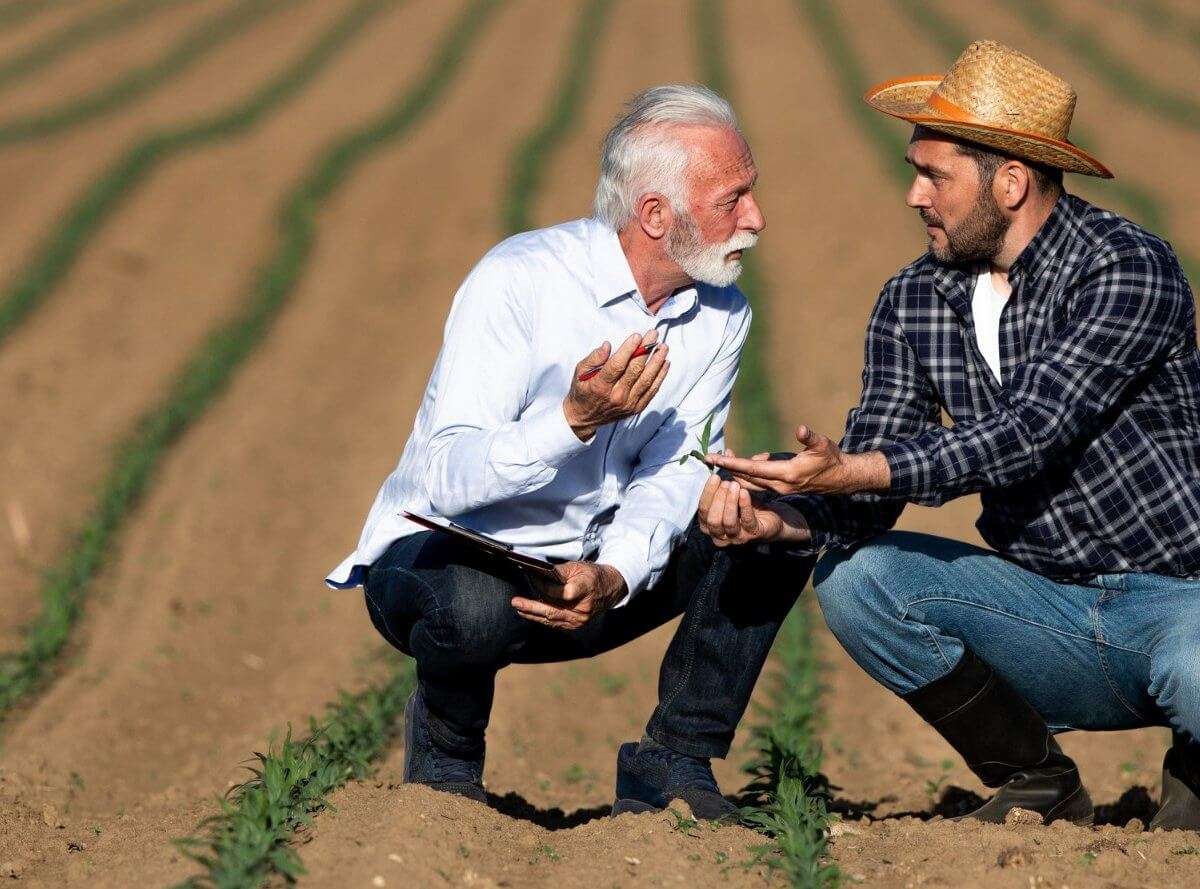


Assessing the value of farmland in Alberta is critical whether you’re a seasoned farmer, a rancher looking to expand, or an aspiring landowner searching for the perfect acreage land for sale in Alberta. The market is shaped by various factors, each influencing the price of land in unique ways. Let’s break down the key drivers of Alberta farmland values. Skip To What You Need To Know: What Shapes Alberta Farmland Values? Alberta farmland values are anything but uniform. The price of an acreage of land for sale can fluctuate wildly depending on various interconnected factors. Location, Location, Location When it comes to Alberta farmland, location is key. Several location-based factors can significantly influence the value of the land: Proximity to Urban Centers: Land closer to cities or towns typically commands higher prices due to its accessibility to markets, processing facilities, and transportation. Accessibility: Farmland near major highways or rail lines is more desirable because of the logistical advantages it offers. Water Resources: Access to reliable water sources, whether natural or via irrigation, is crucial in Alberta’s climate and can greatly enhance land value. Quality And Productivity Of The Land Itself The land’s inherent qualities are crucial in determining its value. Consider these elements: Soil Type and Fertility: The type and quality of the soil directly impact agricultural yields. Fertile, well-drained soils command a premium. Topography: Flat or gently sloping land is typically easier to farm and manage, increasing its desirability compared to steep terrain. Water Availability: Sufficient water, whether from natural rainfall or reliable irrigation, is essential for successful farming and influences land value. The Economic Landscape The broader economic environment plays a significant role in shaping farmland values: Commodity Prices: The market prices of crops and livestock directly affect farm profitability, influencing demand for farmland. Interest Rates: Lower interest rates make financing more affordable, potentially increasing demand and pushing land prices higher. Economic Health: The overall economic conditions in Alberta and Canada impact investor confidence and, by extension, farmland values. The Role of Government Government policies and regulations can directly and indirectly affect farmland values: Agricultural Policies: Subsidies, tax incentives, and support programs can impact farm profitability and influence land investment decisions. Zoning and Environmental Regulations: Restrictions on land use and development can affect the potential uses and, consequently, the value of farmland. The Dynamics Of Supply and Demand The fundamental economic principles of supply and demand play a major role in determining farmland prices: Supply and Demand Imbalance: High demand coupled with limited supply typically leads to increased farmland values. Competition: Competition from investors and developers seeking to acquire acreage land for sale for non-agricultural purposes can also drive up prices in certain areas. For anyone involved in the Alberta farmland market, keeping these factors in mind is essential. Whether you’re buying, selling, or assessing your land’s value, understanding these influences is key. How Do You Accurately Assess Alberta Farmland Values? While understanding the factors that influence farmland values is essential, reliable methods for assessing the value of a specific parcel of land are equally important. Accurate valuation is key to a successful transaction, whether you’re buying or selling. Comparative Market Analysis (CMA) CMA is a widely-used method for real estate valuation, involving the comparison of recent sales of similar properties in the area. This analysis considers location, land size, quality, and recent market trends to estimate the land’s fair market value. However, it’s important to remember that each property is unique, and subtle differences can impact value. Professional Appraisals For a definitive valuation, hiring a qualified appraiser is crucial. These professionals thoroughly evaluate the property, considering all relevant factors and market conditions. Their analysis provides an accurate estimate of the land’s value, which is essential for making informed decisions. While online tools offer a starting point, they cannot replace the expertise of a professional appraiser. Working with qualified appraisers ensures accurate valuations, helping you navigate the Alberta farmland market with confidence. What Lies Ahead For Alberta Farmland Values In 2024 And Beyond? Year Yearly Percentage Change In Alberta Cultivated Farmland Values 2014 8.8% 2015 11.6% 2016 9.5% 2017 7.3% 2018 7.4% 2019 3.3% 2020 6% 2021 3.6% 2022 10% 2023 6.5% A Table From The Latest FCC Report Showing The Annual Percentage Change Of Alberta Cultivated Farmland Values The Alberta farmland market has a history of steady appreciation, making it an attractive investment for many. However, it’s important to understand both historical trends and the current market outlook to make informed decisions. Historical Perspective: Steady Growth Over the past decade, Alberta has seen a steady appreciation in farmland values. The current FCC Farmland Values Report indicates a 6.5% increase in cultivated farmland values in 2023, following a robust 10.0% increase in 2022. This consistent growth underscores the desirability and resilience of Alberta’s agricultural land. The Current Market: Strong Demand Amidst Challenges The current market outlook for Alberta farmland values remains positive, fueled by strong demand for quality land and limited supply. While interest rates and input costs have risen, farm cash receipts also reached a new record in 2023, contributing to the continued appreciation of land values. Live auctions and sealed land tenders have become increasingly popular, further intensifying competition for available land. Regional Nuances: Varying Growth Rates Farmland values in Alberta vary by region. For instance: Southern Alberta saw a 9.1% increase in 2023, driven by high demand. Central Alberta experienced a 6.7% increase, aligning with the provincial average. Peace Region and Northern Alberta saw more modest increases of 2.9% and 5.7%, respectively. Irrigated farmland experienced a significant 11.7% increase. Understanding these regional differences is critical when evaluating land for purchase or sale. Looking Ahead: Continued Strength and Affordability Concerns The outlook for Alberta farmland remains strong, with ongoing demand expected. However, rising land values are leading to affordability concerns, making financial planning more important than ever. Making the Right Decisions in Alberta’s Farmland Market The Alberta farmland market is shaped by various factors, from location and land quality to economic conditions and government policies.
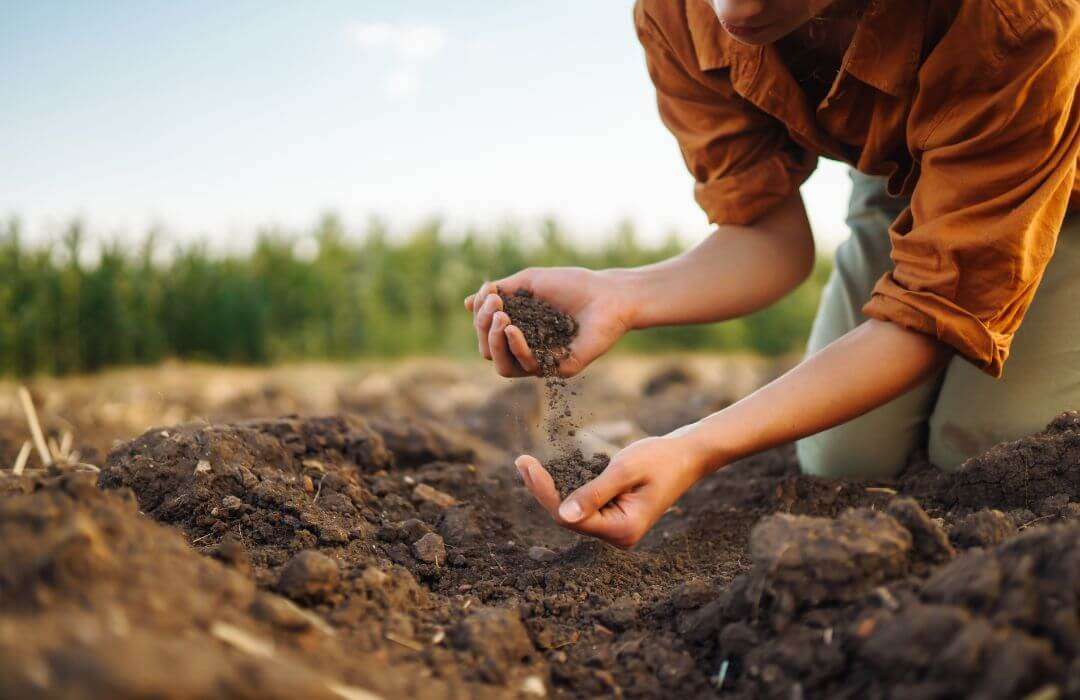



Managing land effectively during the summer is crucial for Alberta landowners. With July and August being peak months for farming in summer, understanding the best practices for soil, water, crop, and cattle management lets your land remains productive and well-maintained. Let’s explore some smart tips to help you optimize your farmland during the summer months. Skip To What You Need To Know: Managing Soil and Water Quality Water Management Strategies Crop Management And Selection Cattle Management During Heat Stress Farm Safety And Visitor Management Managing Soil and Water Quality Effectively managing soil and water quality during the summer is critical for sustainable farming in summer. Cover Cropping Implementing cover cropping enhances soil quality and water retention. Crops like sweet clover, grasses, barley, and fava beans improve soil structure and prevent erosion. These crops provide protective cover, reducing water evaporation and increasing soil organic matter. Healthier, more resilient soil is crucial for successful farming in summer. Controlled Traffic Farming Controlled Traffic Farming (CTF) is a technique where farming equipment follows the same paths year after year. This reduces soil compaction, allowing better water infiltration and root growth. Minimizing the area affected by machinery makes the soil more porous and retains moisture more effectively, which is vital during dry summer months. Water Management Strategies Proper water management lets crops receive adequate hydration during Alberta’s dry summer months. Creating Water Reservoirs Water reservoirs are essential for capturing and storing water during the summer. Techniques for building and maintaining reservoirs include digging holes to access subsurface water and capturing snowmelt and rainwater. These reservoirs provide a reliable water source during dry spells, ensuring adequate water for your crops and livestock. Irrigation Practices Irrigation can be a double-edged sword. While it ensures your crops receive sufficient water, it also comes with risks like soil salinization and water waste. Effective irrigation management involves balancing water supply with crop needs, using methods such as drip irrigation to minimize water loss and prevent soil degradation. Crop Management And Selection Choosing and managing the right crops effectively is key to thriving in Alberta’s summer conditions. Drought-Tolerant Crops Selecting drought-resistant crops, such as certain legumes and cereals, is crucial. These crops, known for their early flowering and deep root systems, can thrive in low-water conditions, ensuring steady yields even during dry spells. Overwintering Crops Overwintering crops like winter wheat, hairy vetch, and red clover are planted in the fall and harvested in late spring to mid-summer. These crops utilize early spring moisture and reduce the impact of summer droughts. While there are challenges, solutions like timely planting and frost management can make overwintering crops a viable option for Alberta farmers. Cattle Management During Heat Stress Heat stress can significantly impact cattle health and productivity. Managing this stress is essential for maintaining a healthy herd. Identifying Heat Stress In Cattle Heat stress symptoms in cattle include panting, reduced grazing, and foaming at the mouth. Recognizing these signs early can prevent severe health issues and maintain productivity, which is particularly important for farming in summer. Mitigating Heat Stress Providing ample shade and water, adjusting grazing patterns, and ensuring access to essential minerals and salt are effective strategies to mitigate heat stress in cattle. These measures help maintain cattle health and productivity during the hot summer months. Farm Safety And Visitor Management Ensuring safety for both workers and visitors on the farm is paramount, especially during busy summer months. Safety Precautions for Visitors Identifying and managing risks, creating designated safe areas, and installing handwashing stations and clear signage are crucial steps. These precautions help prevent accidents and create a safe and enjoyable experience for all farm visitors. Emergency Preparedness Developing and implementing emergency response plans, training staff, and maintaining first aid kits are essential to farm safety. Being prepared for emergencies ensures quick and effective responses, minimizing potential harm. For comprehensive resources on farm safety, visit the Canadian Agricultural Safety Association. Boost Your Alberta Farm’s Productivity and Sustainability This Summer Adopting these summer land management practices can greatly benefit Alberta landowners. By focusing on soil and water quality, selecting appropriate crops, managing cattle effectively, and ensuring farm safety, you can enhance your farm’s productivity and sustainability. Embrace these strategies for successful summer farming and enjoy the rewards of a well-maintained and thriving farm. Interested in selling your Alberta farm? Get the best price with Hansen Land Brokers. Our experts will guide you through the process. Contact us now for a free consultation and let us connect your property with qualified buyers. Exploring other options? Discover more Alberta land listings here.