Cattle

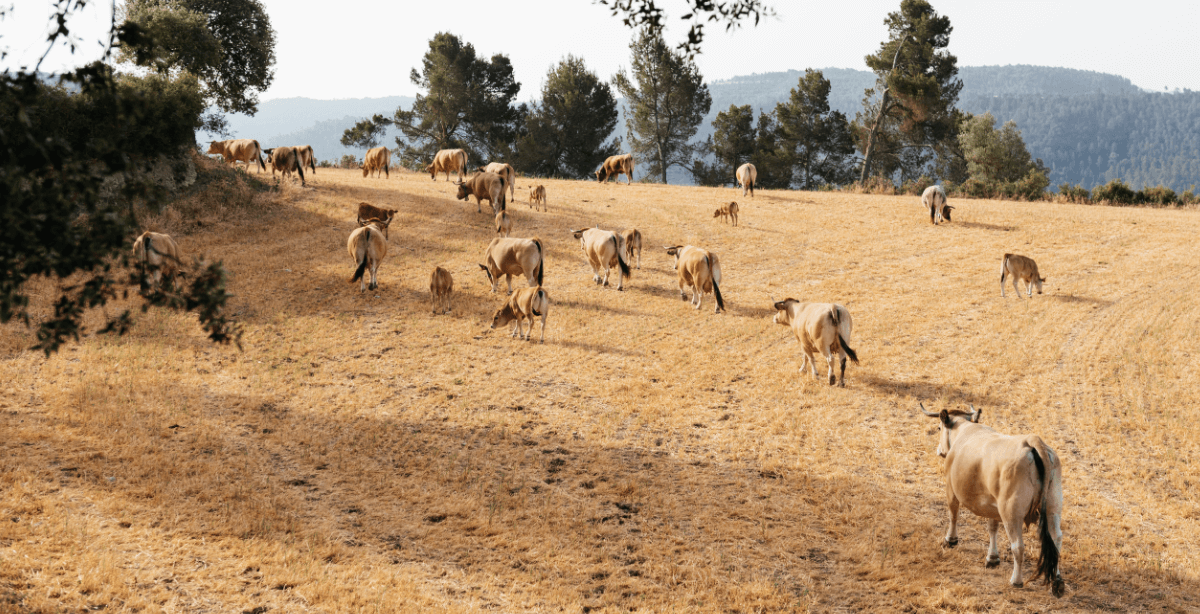
  • A brown cow grazing on dry pasture during a drought.
  • A group of cattle spread out across a sunlit, dry field, grazing peacefully, with a backdrop of distant trees and rolling hills.

Effective Strategies On How To Manage Pastures In Drought

By in Agriculture with 0 Comments

Drought conditions can take a heavy toll on pastures, making it vital for landowners to have an effective plan for how to manage pastures in drought. As dry periods become more frequent across Canada, managing pastures in drought requires careful grazing strategies to protect the health of both the land and livestock. This guide covers practical approaches to grazing management during drought, helping landowners maintain pasture productivity and avoid long-term damage, even in challenging weather conditions. Jump To: The Impact Of Drought On Managing Pastures Pastures are especially vulnerable to drought, as moisture is essential for the growth of grasses and forages. Prolonged dry periods can lead to reduced vegetation cover, weakened root systems, and long-term damage to soil health. As the grass thins, the risk of overgrazing increases, which compounds the negative impact of drought on land productivity. According to Agriculture and Agri-Food Canada, droughts are occurring more frequently and lasting longer in certain regions. The 2021 drought, for example, was one of the worst in recent decades and affected millions of acres of farmland, leading to a sharp decline in pasture productivity across Western Canada. Grazing management during drought, therefore, isn’t just about surviving the short-term—it’s about planning for sustainability. Key Strategies For Managing Pastures In Drought Conditions Adjust Stocking Rates One of the most important steps in managing pastures during a drought is adjusting your stocking rates. A drought-stricken pasture simply cannot support the same number of livestock as it would under normal conditions. To prevent overgrazing, reduce your herd size based on forage availability. Start by assessing the current condition of your pasture. Using a combination of visual observation and soil testing, you can estimate how much forage is left and whether it’s healthy enough to sustain your livestock. Many land managers recommend reducing stocking rates by 20-50% during severe droughts to prevent long-term pasture damage. Implement Rotational Grazing Rotational grazing allows pasture recovery by giving each section of the land a rest period. This system involves dividing your pasture into smaller paddocks and moving livestock between them, ensuring no one section of land is grazed for too long. During droughts, rest periods should be extended to give the plants more time to recover. The lack of moisture slows down plant regrowth, so pastures need longer recovery times to prevent damage to root systems and overall soil structure. Implementing a flexible rotational grazing plan can reduce the risk of overgrazing and allow vegetation to regenerate once conditions improve. Monitor Soil Health And Moisture Levels Soil health plays a crucial role in the resilience of pastures during drought. Healthy soils, rich in organic matter, are better at retaining moisture, even in dry conditions. Regular soil testing can provide valuable insight into how well your soil is equipped to handle drought stress. To maintain soil health during drought, consider strategies like reducing compaction, improving water infiltration, and ensuring adequate ground cover. Grazing management during drought should focus on minimizing soil disturbance and protecting what moisture remains in the soil. Practices like no-till seeding can help regenerate pastures without disturbing the soil structure, retaining the moisture necessary for plant growth. Enhancing Grazing Management During Drought Feed Supplementation When pastures are not producing enough forage, supplemental feeding becomes a critical aspect of drought management. You can reduce grazing pressure by providing livestock with alternative feed sources like hay, grain, or silage. Not only does this protect the pasture from overgrazing, but it also ensures your animals receive adequate nutrition during the drought period. Keep in mind that supplementing feed should be done strategically to avoid waste. Monitor the intake of supplemental feed to make sure animals are not overly dependent on it, while still managing the grazing impact on your land. Use Sacrifice Areas Sacrifice areas are designated sections of land where livestock can be concentrated during times of drought, reducing the grazing pressure on more productive areas. While this area may be damaged due to overuse, the rest of your pasture can remain healthier and recover more quickly once the drought ends. Choose a low-quality pasture or an area where you can afford to let the grass die off temporarily. After the drought passes, you can reseed and rehabilitate this section while rotating your livestock back to the healthier parts of the land. Enhance Water Management Water is a limiting factor during droughts, not just for plants but also for livestock. Implementing efficient water systems is crucial to ensure that livestock has access to clean, adequate water without depleting available resources. Consider installing water tanks or troughs in multiple locations to prevent livestock from trampling sensitive areas around natural water sources. Water retention techniques, such as building ponds or investing in rainwater harvesting systems, can also help improve your farm’s resilience to drought. While this may not immediately solve the problem, it’s a long-term investment that can mitigate future drought risks. Long-Term Strategies For Managing Pastures in Drought Plant Drought-Resistant Species One long-term strategy for dealing with frequent droughts is incorporating drought-resistant plant species into your pasture mix. Some native grasses and legumes are more resilient to dry conditions and can thrive with limited water. Species like crested wheatgrass or western wheatgrass are known for their drought tolerance and deep root systems, which help retain soil moisture. By diversifying your pasture plant species, you create a more resilient ecosystem that can withstand varying conditions and recover faster once the drought breaks. Improve Ground Cover Maintaining ground cover is one of the best ways to protect your pasture during drought. Ground cover, which includes grasses, forbs, and even crop residue, acts as a barrier that reduces water evaporation and protects the soil from erosion. Bare soil is particularly vulnerable to the harsh effects of drought, so ensuring that your land has consistent cover can help minimize damage. Techniques like planting cover crops or spreading organic mulch can help retain soil moisture and reduce erosion, especially during the early stages of drought. Financial And Government Assistance For Landowners Managing pastures
Read More

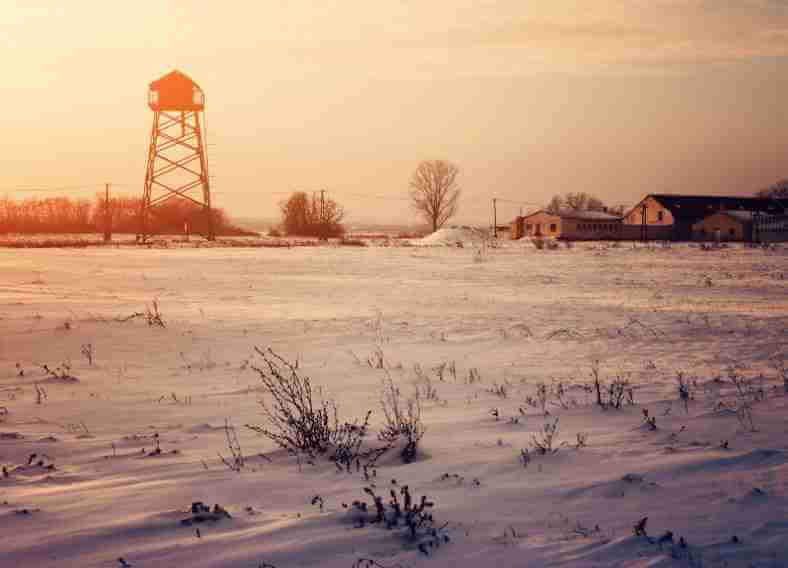
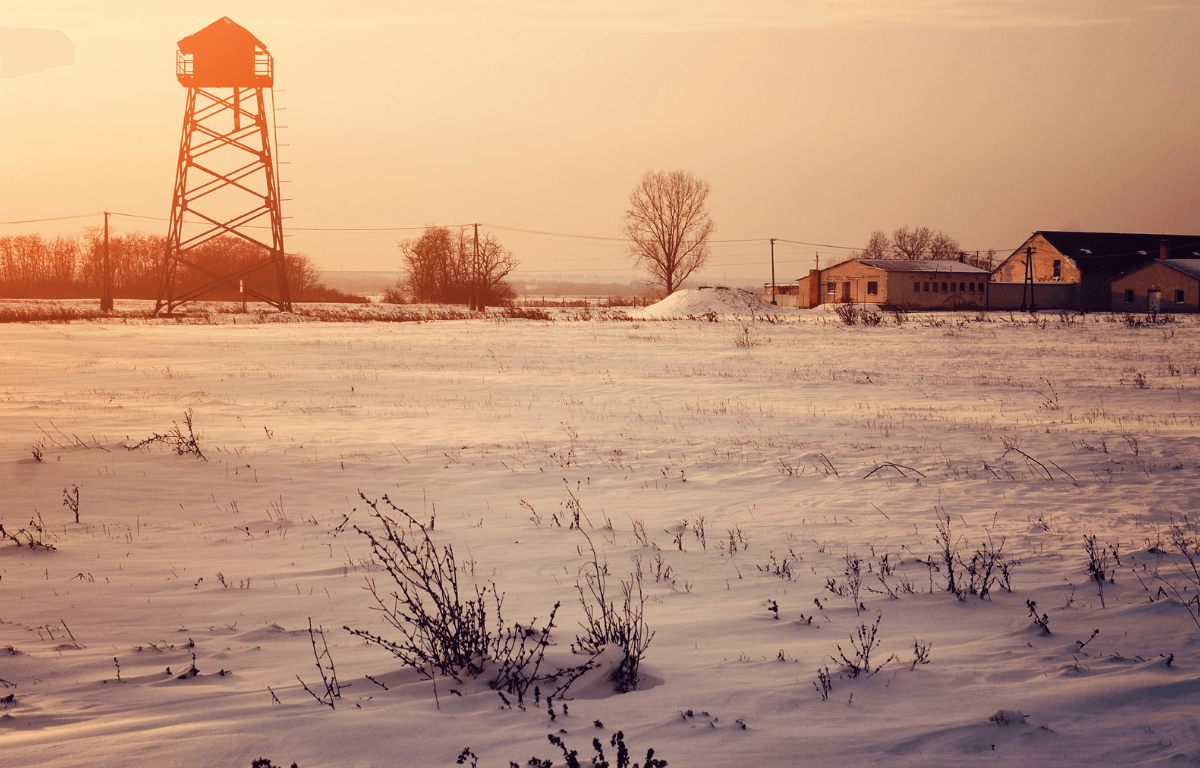
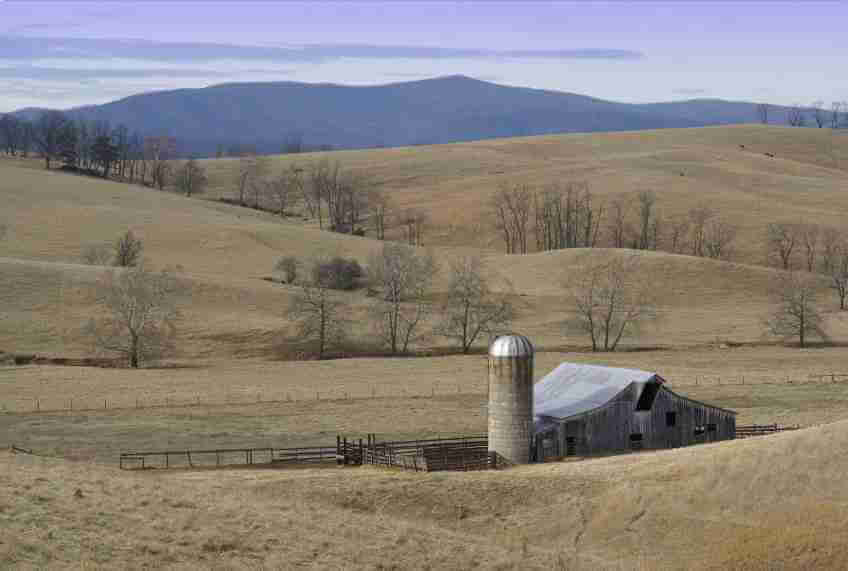
  • A farm waiting for the first snow of winter. This is the perfect time to plan your winter biodiversity enhancement plan.
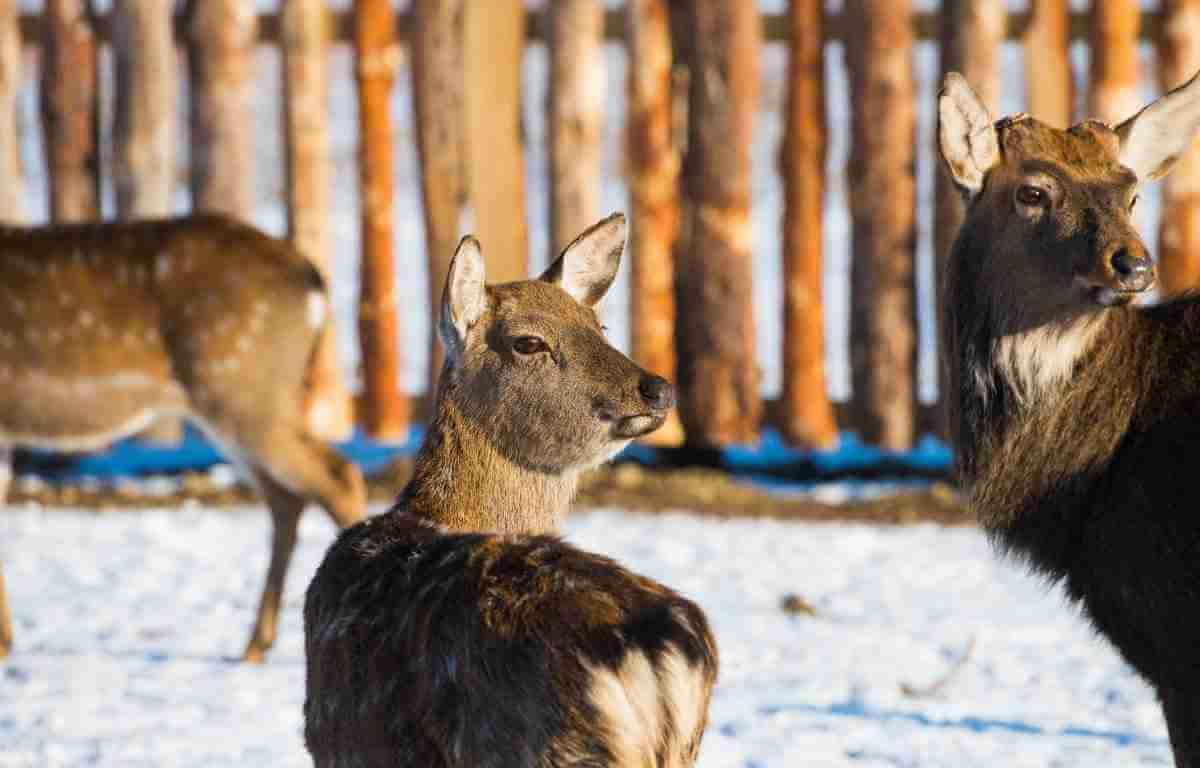
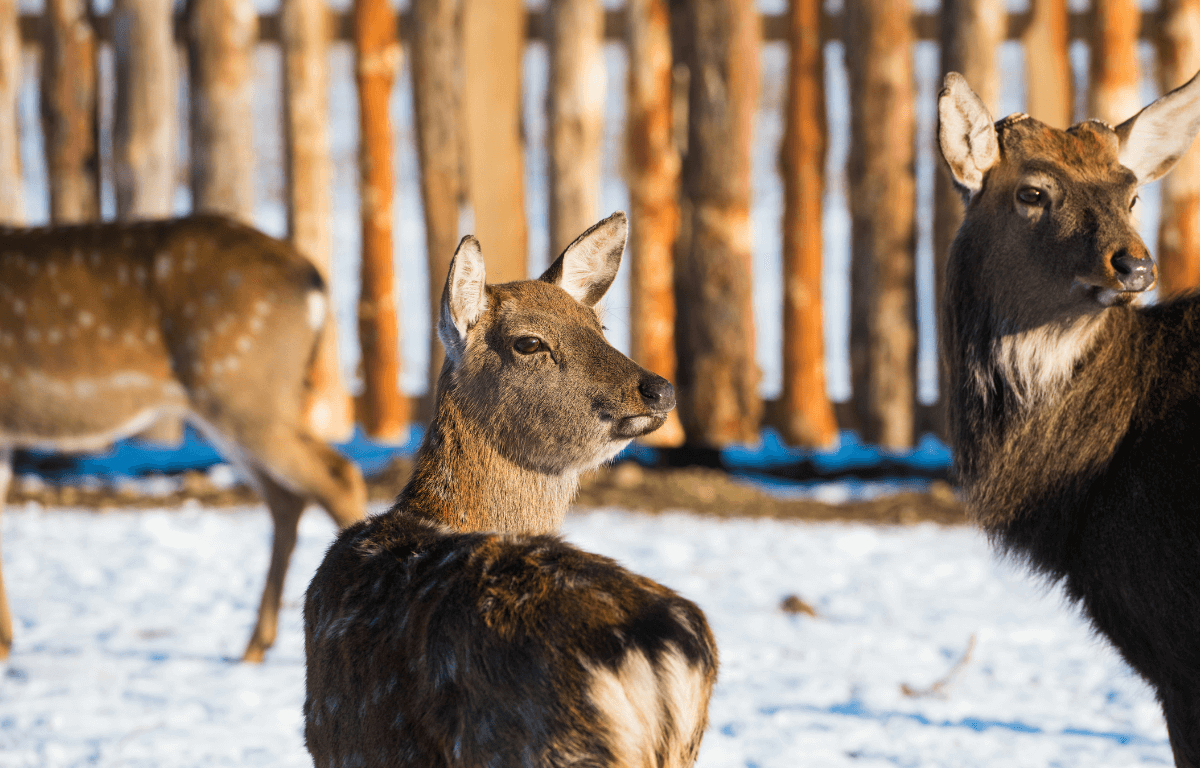
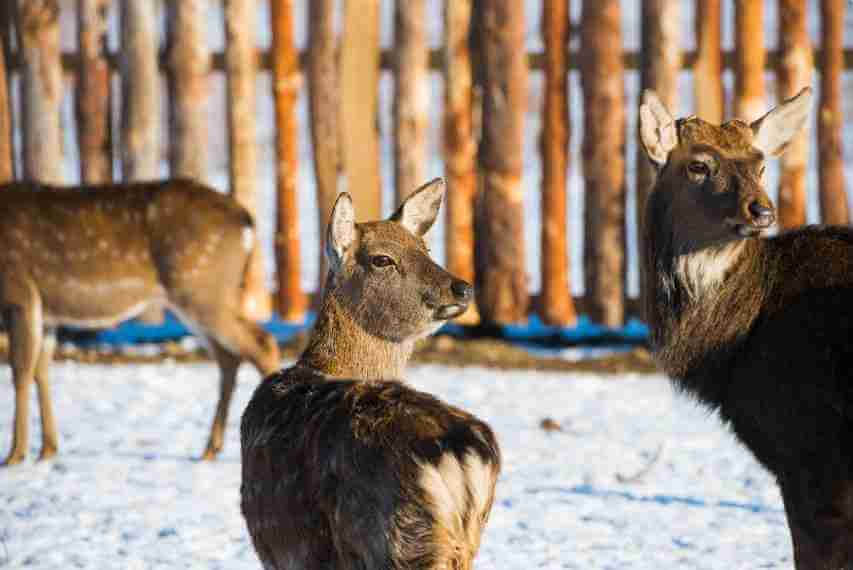
  • Deer wandering and grazing on snowy, sunlit Canadian ranch.
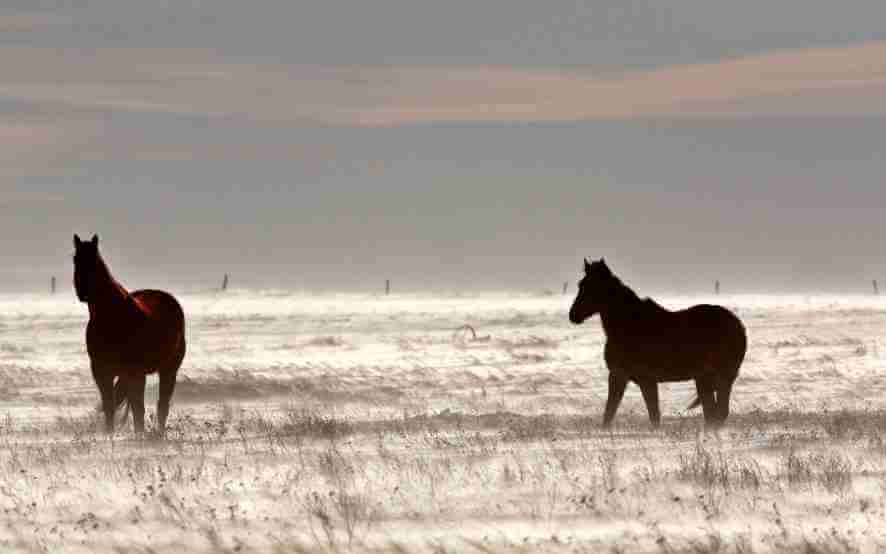
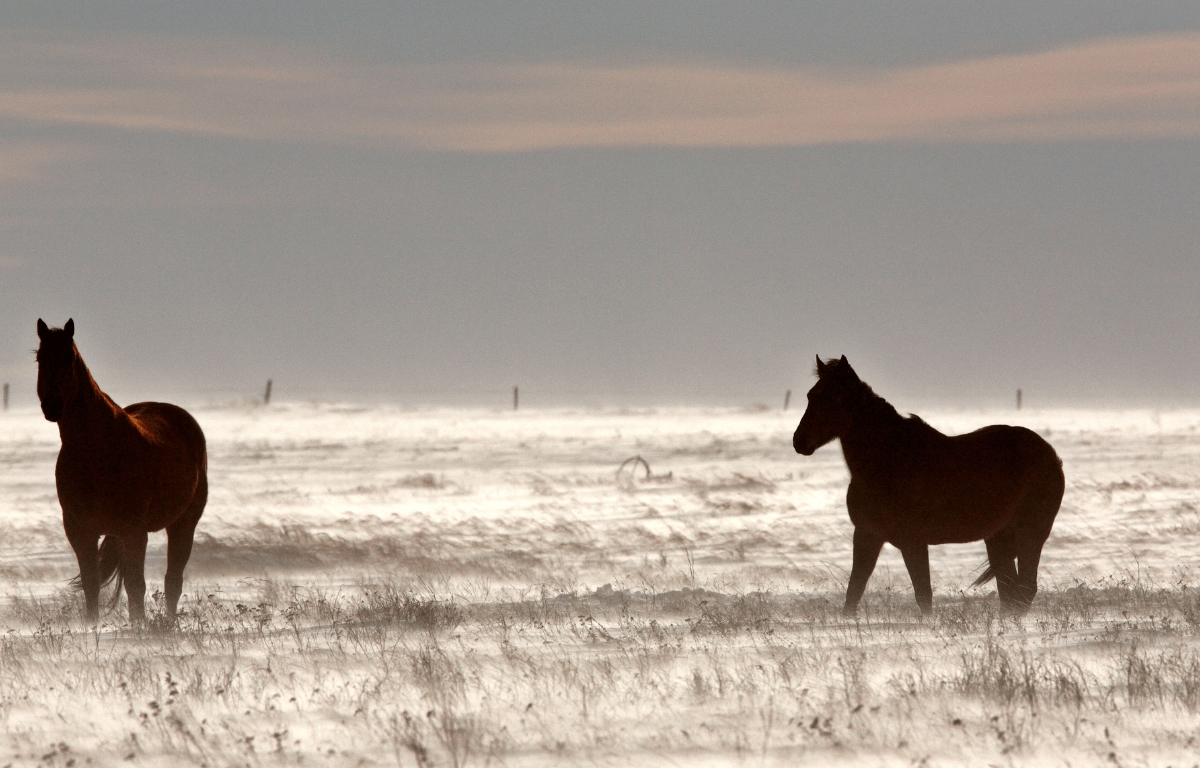
  • Silhouettes of two horses on open Canadian land at winter dusk.
  • Preserving wildlife during winter is a community effort. Talk to other farmers too!
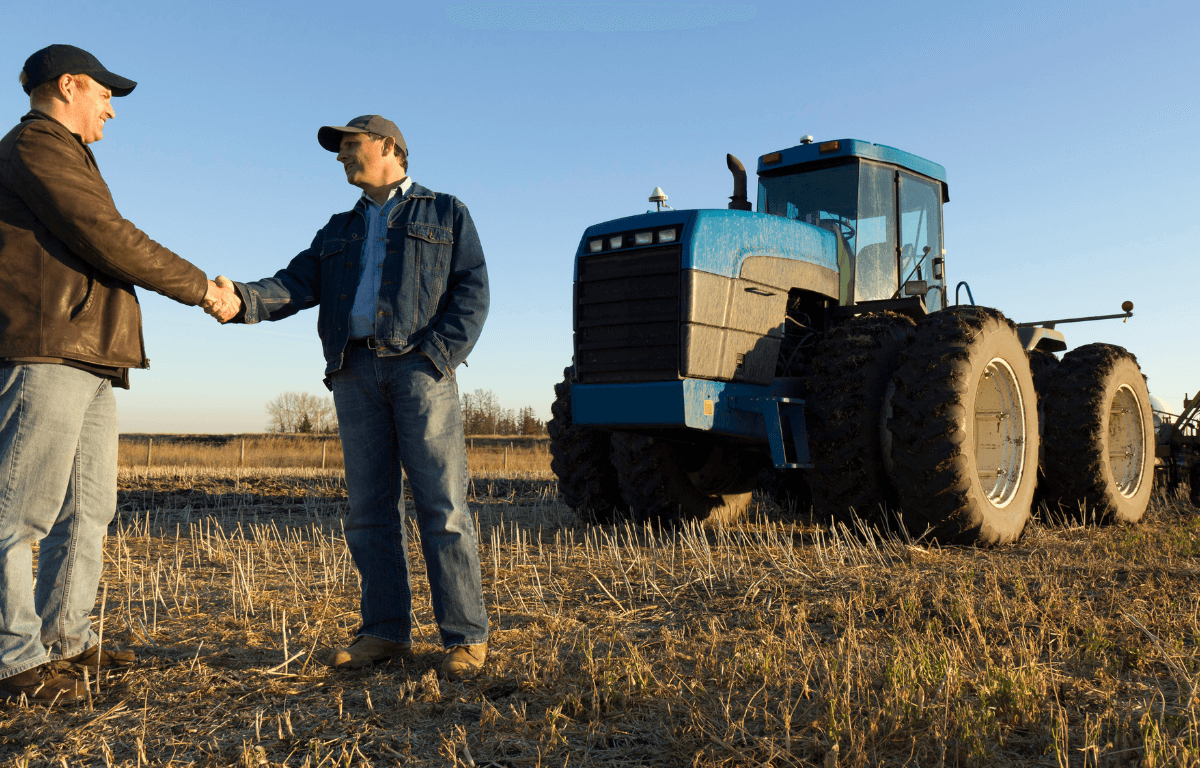
  • Two farmers researching land properties online with laptops in a field.
  • A farm with a proper winter biodiversity management is a vibrant land for all!
  • A farm waiting for the first snow of winter. This is the perfect time to plan your winter biodiversity enhancement plan.
  • As a farmer, you already know that animals like spotted deer, can wander in your land. It's your job to take care of them too.
  • As a farmer, you already know that animals like spotted deer, can wander in your land. It's your job to take care of them too.
  • Some horses might wander on your farm during winter as they might consider it as their food 'storehouse.'
  • Preserving wildlife during winter is a community effort. Talk to other farmers too!
  • Farmers, plan your biodiversity management!
  • A farm with a proper winter biodiversity management is a vibrant land for all!

Biodiversity In The Snow:
How Alberta Ranches And Farms Stay Wildlife-Friendly All Winter

By in Agriculture with 0 Comments

You’re a farmer in Alberta, and you know how vital biodiversity is to the health and sustainability of your land. But have you considered what you can do in the winter to support wildlife and promote habitat on your farm? The cold months don’t mean your conservation efforts have to go into hibernation.You can enhance biodiversity year-round, even when the ground is frozen. Winter biodiversity conservation will benefit your operation and the environment, from providing shelter and food sources to improving connectivity. Read on to discover practical ways to help local wildlife thrive this winter on your farm. The future of Alberta’s agriculture depends on the biodiversity we cultivate today. Let’s make this a season of opportunity. SKIP TO WHAT YOU NEED TO KNOW: What Is Biodiversity and Why Is It Crucial for Alberta’s Agricultural Landscapes What Are The Six Principles of Biodiversity How To Apply The Six Principles Of Biodiversity Conservation On Your Land This Winter How To Create A Custom Winter Biodiversity Enhancement Plan for Your Alberta Property What Is Biodiversity and Why Is It Crucial for Alberta’s Agricultural Landscapes Biodiversity simply means the variety of life on Earth – all the different plants, animals, microorganisms, and the ecosystems they form. Agricultural landscapes comprise much of Alberta’s land area, so maintaining biodiversity is essential. Albertan Farms and ranches provide habitat for numerous species, from tiny soil microbes to large grazing animals. This biodiversity generates many benefits for agricultural producers, including pollination, natural pest control, soil health, and water quality regulation. Losing biodiversity poses risks to farm productivity and resilience. Preserving biodiversity also has much broader implications. Many species found on agricultural lands are declining globally, and once lost, cannot be recovered. Maintaining biodiversity helps ensure healthy, functioning ecosystems that support all life on the planet, now and into the future. Conserving biodiversity requires balancing environmental health and economic viability. With proactive management, agricultural producers can achieve both. Protecting the web of life that sustains us all is a shared responsibility that begins at home, on the land. What Are The Six Principles of Biodiversity Conservation The six principles of biodiversity aim to preserve and improve the habitat of native plants and animals on your Albertan farm or ranch. Soil is the Foundation of Healthy Ecosystems Healthy, living soil is essential for biodiversity. Make sure not to disturb or expose soil unnecessarily. Limit soil compaction from equipment and livestock to allow water, oxygen and nutrients to reach plant roots and soil organisms. Native Areas Are Biodiversity ‘Storehouses’ Protect any native grasslands, wetlands, woodlands or riparian areas on your land. These provide habitat for wildlife even in winter. Timing and Intensity of Use Influence Biodiversity Adjust the timing, frequency and intensity of practices like crop harvesting, manure spreading, and pesticide use. For example, delay fall manure spreading until spring to avoid loss of nutrients over winter. Variety is the Spice of Life  Maintain diversity in your farming or ranching operation. Grow a variety of crops and use integrated pest management to avoid eliminating beneficial insects. Rotate where you locate livestock feeding areas. Not All Things Are Ecologically Equal Some areas of your land may be more ecologically valuable or sensitive. Prioritize these areas for biodiversity enhancement and avoid disturbances here when possible. For example, avoid feeding livestock or applying manure in riparian areas adjacent to water bodies. By following these principles, you’ll be well on your way to supporting biodiversity through the winter and beyond. How To Apply The Six Principles Of Biodiversity Conservation On Your Land This Winter Even in winter, there are steps you can take to enhance biodiversity on your Albertan farm or ranch. By following the six principles of biodiversity conservation, you can improve the habitat for plants, animals, and other organisms during the colder months. Keep an Eye on the Soil Health Make sure any soil that remains unfrozen still has coverage to prevent erosion. You can also plan any soil amendments or cover cropping for the spring. Healthy, biodiverse soil is the foundation for biodiversity above ground. Protect Native Areas Any remaining native grasslands, wetlands, or woodlands on your land should be left undisturbed in winter. These areas provide shelter and food sources for wildlife during winter. Plan any maintenance, enhancement or expansion of these areas for the growing season. Consider the Timing and Intensity of Use For any agricultural activities that continue into winter, like grazing, be mindful of the effects on biodiversity. Provide recovery periods for pastures and rotate livestock to prevent overgrazing. Also, avoid activities that may disturb wildlife in ecologically sensitive areas. Plant Various Crops Increase variety on your farm by planting cover crops, buffer strips or food plots for wildlife. A diversity of plant life means a diversity of habitats and food sources for animals. Winter cover crops and food plots continue providing benefits even under snow. Evaluate the Ecological Impact of Your Practices Some actions have greater effects on biodiversity than others. Make choices that minimize harm to wildlife and their habitat. For example, choose targeted herbicide application over broadcast spraying. Cooperate With Your Community Work with neighbouring landowners and local conservation groups to enhance biodiversity on a landscape scale. Connecting habitat across property boundaries benefits more species. Community cooperation may also open up opportunities for education, funding, or resources to support your conservation efforts. By using the winter months to plan and prepare for biodiversity conservation in the growing season, you’ll be well on your way to enhancing habitat on your farm or ranch. With time and patience, you can make a meaningful difference. How To Create A Custom Winter Biodiversity Enhancement Plan for Your Alberta Property As an Alberta farmer or rancher, developing a custom biodiversity enhancement plan for your property this winter is one of the most impactful steps you can take. A good plan will guide your efforts to support native wildlife and restore natural habitat in a way that works with your land and operations. Assess Your Property The first step is

Read More

Join the VIP List and Get Land Alerts

    Talk To A Land Specialist