Ranch In Alberta

Land Experts in Alberta

Why Some Land Attracts Multiple Buyers and Other Land Does Not

By in Alberta with 0 Comments

Selling land is not simply a matter of choosing a price and waiting for someone to meet it. Two properties can come to market in the same region and receive completely different responses. One may generate calls, serious interest, and competing offers. Another may sit despite having plenty of positive attributes. The difference is not always the land itself. Pricing and positioning can determine how farmland buyers respond from the moment a property enters the market. Today’s serious buyers have access to market information, comparable transactions, financing data, soil information, and competing listings. Many have also spent years operating in the same region. If an asking price moves too far beyond what the market evidence can support, buyers may not simply negotiate lower. Some will decide not to participate at all. For sellers, that creates an important distinction: The objective is not to start with the highest possible asking price. It is to create the strongest possible market response. Strong Demand Does Not Make Every Price Work Alberta landowners have good reason to pay attention to recent market strength. Farm Credit Canada reported that Alberta cultivated farmland values increased 11.4% in 2025, after increases of 7.1% in 2024 and 6.5% in 2023. The FCC Farmland Values Report also points to limited supply and continued expansion activity as factors supporting farmland values. The Government of Alberta has reported that agricultural acres transferred declined by an average of 4.2% annually over the decade it studied, creating a market where quality land can be difficult to replace. That demand for agricultural land can create favourable conditions for sellers. But there is an important catch. A strong provincial market cannot determine what one individual parcel is worth. Alberta’s own agricultural transfer reporting cautions that regional data should not be treated as an appraisal of a particular property because parcel characteristics and market conditions vary. That is why market strength and property-specific pricing have to be considered together. Strong demand can support value. It cannot make an unsupported asking price credible. Today’s Buyers Are More Informed Than Ever Many sellers assume an interested buyer will submit an offer regardless of the asking price. Sometimes they will. Sometimes they will not. Experienced farmland buyers often know: 1. What nearby land has recently sold for 2. What competing properties are asking 3. Which local producers are expanding 4. How productive capacity compares 5. What financing currently costs 6. How long similar land has remained on the market 7. Where a parcel may have limitations 8. Which improvements actually matter to their operation Some buyers may even know the property well before it reaches the market. That changes the pricing conversation. An ambitious asking price can still be appropriate when there is evidence supporting it. The problem starts when the price becomes disconnected from what buyers can reasonably justify. When that happens, buyers do not always respond with a lower number. They may simply move on. Overpricing Can Reduce Competition Overpricing often feels safe from a seller’s perspective. The logic is understandable: start high, see what happens, and reduce the price later if needed. The risk is that qualified buyers may interpret the pricing differently. A buyer who believes a seller’s expectations are far beyond fair market value may decide that negotiations are unlikely to be productive. Instead of investing time in an offer, financing, inspections, or due diligence, they focus on another property. That reduces the buyer pool. And when fewer serious buyers participate, the seller may lose the competitive pressure that could have supported a stronger result. Across changing Alberta land markets, Hansen Land Brokers has seen situations where properties priced materially beyond supportable fair market value failed to generate the response the seller expected. In some cases, the eventual outcome may even fall short of what stronger initial positioning could have produced. That is not a guarantee. Every property and market are different. But the lesson matters: An asking price does more than communicate what the seller wants. It influences who chooses to enter the conversation. Proper Pricing Gives the Market Room to Compete Now consider the opposite scenario. A property enters the market at a price that qualified buyers can connect to the evidence. It does not need to be cheap. It needs to make sense in relation to: – Comparable transactions – Soil and productive capacity – Workable acreage – Location – Water – Road access – Improvements – Existing agreements – Local demand – Future-use potential – Current economic conditions When buyers see a credible opportunity, they can focus on the land itself instead of immediately questioning the pricing. If several qualified buyers see value, competition has room to develop. In Hansen Land Brokers’ experience, properly positioned land has a much more realistic opportunity to achieve fair market value and, where genuine competition develops, potentially exceed it. That is fundamentally different from simply starting with the largest number possible. Fair Market Value Requires Context There is no single formula that determines the value of Alberta land. The factors affecting farmland prices operate at several levels. Broad economic forces include financing costs, commodity conditions, farm profitability, available supply, and buyer confidence. Hansen explores several of these forces in How Changing Markets and Interest Rates Are Shaping Alberta Land Purchases in 2026. At the property level, the details become more specific. Soil, usable acreage, water, access, location, improvements, rights, restrictions, and potential future uses can all influence what buyers are prepared to pay. Hansen’s guide to how land value is determined in Alberta looks more closely at those factors. Some land may also attract interest because of uses beyond traditional agriculture. Infrastructure, energy development, and industrial requirements can create different value considerations for certain parcels. Hansen’s discussion of why Alberta is a strong location for data centres offers one example of how land characteristics can matter differently depending on the intended use. Market data provides evidence. Knowing how that evidence applies to a specific property requires judgement. The Right Buyer May See More


Read More

Land broker and ranch buyer standing beside a pickup truck on a rural Alberta road, with grazing cattle and rolling hills in the background.

Looking at Ranches for Sale in Alberta? Here’s Why a Specialized Land Broker Makes All the Difference

By in Agricultural Land with 0 Comments

Alberta’s ranching legacy runs deep, rooted in a culture of stewardship, hard work, and respect for the land. Whether it’s dryland pastures, irrigated grazing lands, or mixed-use properties, ranches for sale in Alberta represent a unique investment opportunity that goes far beyond a basic land transaction. Buying or selling ranch land is rarely straightforward. Each parcel comes with its own environmental, economic, and regulatory nuances. From grazing leases and water rights to soil classifications and zoning bylaws, there’s a lot to sort through. That’s where a specialized land broker steps in, not just to facilitate the transaction, but to make sure it’s a smart, strategic move for you. Jump To: Alberta’s Ranching Market: A Brief Snapshot Ranching remains a cornerstone of Alberta’s economy and cultural identity. As of the latest data from Statistics Canada, Alberta leads the nation with over 4.6 million hectares of pasture land, housing nearly 40% of Canada’s beef cows. The province offers a wide range of ranch properties, from foothill grasslands to prairie rangelands, each with different implications for livestock, land use, and long-term sustainability. But that variation also creates complexity. And complexity calls for more than a generalist approach. What Makes Ranch Land Different? Not all land is created equal. While ranches for sale in Alberta can share similarities with farms, recreational land, or acreages, they require a more nuanced perspective due to: Grazing Leases Public land leases (often referred to as Grazing Leases or Grazing Dispositions) are a critical part of many Alberta ranches. These are regulated under the Public Lands Act, with leaseholders paying annual fees and meeting specific land stewardship standards. Understanding how these leases are transferred, or not, is vital to the deal. Water Access and Rights Ranches depend on sustainable access to water for livestock and possibly irrigation. Alberta Environment and Protected Areas manages Water Act licensing, which governs both surface and groundwater use. An oversight here could mean costly legal battles or operational limitations down the line. Soil and Carrying Capacity The soil composition directly impacts the land’s ability to support livestock. A knowledgeable land broker can access agricultural capability ratings and guide buyers on realistic carrying capacities. Zoning and Land Use Zoning bylaws can limit or support ranch operations depending on the municipality. Some areas may restrict outbuildings, subdivisions, or other agricultural expansions. Having someone well-versed in regional regulations can avoid future roadblocks. Why a Specialized Land Broker Changes the Outcome The stakes in a ranch transaction are too high to treat it like a residential or commercial property deal. A land broker who specializes in Alberta ranch properties brings experience, data, and a relationship-driven approach that general brokerages often miss. Deep Knowledge of Agricultural Legislation From the Alberta Land Stewardship Act to the Agricultural Operation Practices Act, these aren’t minor details. They’re deal-breakers, or deal-makers. Brokers with firsthand knowledge help navigate the right compliance paths to avoid financial or legal setbacks. Tailored Marketing and Buyer Matching When you’re selling, you don’t just need exposure. You need exposure to the right audience, those who understand the value of the land, its operational potential, and are prepared for the stewardship it demands. A specialized land broker knows where those buyers are and how to speak their language. Strategic Financing Support Financing ranch land isn’t the same as financing a house or even a general agricultural parcel. Knowing how to guide buyers through tailored financial solutions, including ag-specific loans, is critical. If you’re interested in how to secure that kind of financing, take a look at our guide: Purchasing Land? Here’s How to Apply for a Loan in Canada Common Pitfalls a Generalist Might Miss A broker without rural land experience might overlook key issues that can derail a ranch transaction or diminish its value. Some red flags that require specialized attention include:  • Unclear title on leased grazing land • Misidentified soil productivity • Improper fencing or boundary assessments • Lack of due diligence on wildlife conservation easements • Absence of Environmental Farm Plan documentation   In contrast, a land broker with a strong background in Alberta’s agricultural industry knows how to pre-screen for these issues and, more importantly, how to solve them.  The Role of a Broker in Identifying Investment Potential Not every buyer is a lifelong rancher. Some are looking at ranches for sale in Alberta as long-term investments, lifestyle opportunities, or for diversification. A land broker helps assess not only current use but future value, resale timing, and return on investment through multiple avenues, including:  • Agricultural production • Conservation easements • Ecotourism and hunting leases • Leasing land to local producers  This sort of strategic planning is invaluable and often missed without the right guidance. Regional Expertise Is Not Optional Let’s say you’re focused on central Alberta. A broker who knows the ins and outs of that region, down to the bylaws, drainage patterns, flood risks, and buyer demand, can offer real leverage. If central Alberta is your target, check out our detailed guide: Looking for Farms for Sale in Alberta? Here’s How to Find the Best Ones in Central Alberta How Brokers Help You Move From Land to Livestock Buying ranch land is one thing. Turning it into a functional ranch operation is another. A land broker doesn’t just connect you to a parcel; they help you connect the dots: fencing, shelter, grazing schedules, and even steps like applying for farm status. That process is more than paperwork. It affects your taxes, insurance, and eligibility for programs. Here’s what that process looks like in Alberta: Applying for Farm Status in Alberta – 2025 Guide Market Trends You Should Know As of mid-2025, Alberta’s ranch market continues to show strong buyer interest, particularly in regions with established grazing leases and close proximity to feedlot infrastructure. According to Alberta Agriculture and Irrigation, land prices have increased steadily over the past five years, particularly for properties in the southern and central zones. High inflation and interest rate fluctuations have led some buyers to diversify portfolios into

Read More

  • A beautiful sunset over a rural Alberta farm with a dirt path, wooden fences, and rolling hills in the background.
  • A family enjoying a sunny day picking strawberries in a field, highlighting the importance of farm safety and visitor management in Alberta.

Farming In Summer: Essential Land Management Tips For Alberta Landowners

By in Agricultural Land with 0 Comments

Managing land effectively during the summer is crucial for Alberta landowners. With July and August being peak months for farming in summer, understanding the best practices for soil, water, crop, and cattle management lets your land remains productive and well-maintained. Let’s explore some smart tips to help you optimize your farmland during the summer months. Skip To What You Need To Know: Managing Soil and Water Quality Water Management Strategies Crop Management And Selection Cattle Management During Heat Stress Farm Safety And Visitor Management Managing Soil and Water Quality Effectively managing soil and water quality during the summer is critical for sustainable farming in summer. Cover Cropping Implementing cover cropping enhances soil quality and water retention. Crops like sweet clover, grasses, barley, and fava beans improve soil structure and prevent erosion. These crops provide protective cover, reducing water evaporation and increasing soil organic matter. Healthier, more resilient soil is crucial for successful farming in summer. Controlled Traffic Farming Controlled Traffic Farming (CTF) is a technique where farming equipment follows the same paths year after year. This reduces soil compaction, allowing better water infiltration and root growth. Minimizing the area affected by machinery makes the soil more porous and retains moisture more effectively, which is vital during dry summer months. Water Management Strategies Proper water management lets crops receive adequate hydration during Alberta’s dry summer months. Creating Water Reservoirs Water reservoirs are essential for capturing and storing water during the summer. Techniques for building and maintaining reservoirs include digging holes to access subsurface water and capturing snowmelt and rainwater. These reservoirs provide a reliable water source during dry spells, ensuring adequate water for your crops and livestock. Irrigation Practices Irrigation can be a double-edged sword. While it ensures your crops receive sufficient water, it also comes with risks like soil salinization and water waste. Effective irrigation management involves balancing water supply with crop needs, using methods such as drip irrigation to minimize water loss and prevent soil degradation. Crop Management And Selection Choosing and managing the right crops effectively is key to thriving in Alberta’s summer conditions. Drought-Tolerant Crops Selecting drought-resistant crops, such as certain legumes and cereals, is crucial. These crops, known for their early flowering and deep root systems, can thrive in low-water conditions, ensuring steady yields even during dry spells. Overwintering Crops Overwintering crops like winter wheat, hairy vetch, and red clover are planted in the fall and harvested in late spring to mid-summer. These crops utilize early spring moisture and reduce the impact of summer droughts. While there are challenges, solutions like timely planting and frost management can make overwintering crops a viable option for Alberta farmers. Cattle Management During Heat Stress Heat stress can significantly impact cattle health and productivity. Managing this stress is essential for maintaining a healthy herd. Identifying Heat Stress In Cattle Heat stress symptoms in cattle include panting, reduced grazing, and foaming at the mouth. Recognizing these signs early can prevent severe health issues and maintain productivity, which is particularly important for farming in summer. Mitigating Heat Stress Providing ample shade and water, adjusting grazing patterns, and ensuring access to essential minerals and salt are effective strategies to mitigate heat stress in cattle. These measures help maintain cattle health and productivity during the hot summer months. Farm Safety And Visitor Management Ensuring safety for both workers and visitors on the farm is paramount, especially during busy summer months. Safety Precautions for Visitors Identifying and managing risks, creating designated safe areas, and installing handwashing stations and clear signage are crucial steps. These precautions help prevent accidents and create a safe and enjoyable experience for all farm visitors. Emergency Preparedness Developing and implementing emergency response plans, training staff, and maintaining first aid kits are essential to farm safety. Being prepared for emergencies ensures quick and effective responses, minimizing potential harm. For comprehensive resources on farm safety, visit the Canadian Agricultural Safety Association. Boost Your Alberta Farm’s Productivity and Sustainability This Summer Adopting these summer land management practices can greatly benefit Alberta landowners. By focusing on soil and water quality, selecting appropriate crops, managing cattle effectively, and ensuring farm safety, you can enhance your farm’s productivity and sustainability. Embrace these strategies for successful summer farming and enjoy the rewards of a well-maintained and thriving farm. Interested in selling your Alberta farm? Get the best price with Hansen Land Brokers. Our experts will guide you through the process. Contact us now for a free consultation and let us connect your property with qualified buyers. Exploring other options? Discover more Alberta land listings here.

Read More

  • A handshake between two people with a wooden house model and keys on a table, symbolizing the completion of a farm sale transaction in Alberta.
  • A lush green field under a vibrant sunrise, showcasing the potential and beauty of Alberta farmland ready for sale.
  • A vibrant red barn and farmhouse set against a backdrop of lush green fields and trees, exemplifying a well-maintained farm in Alberta ready for sale.
  • A farmer in a plaid shirt and cap uses a tablet while a drone flies over a sunlit field, demonstrating modern marketing tools for selling farmland in Alberta.
  • A lineup of red farm tractors and equipment on display, illustrating the importance of handling farm machinery separately when selling a farm in Alberta.
  • A person in a suit organizing files in a cabinet, highlighting the importance of maintaining detailed farm records for prospective buyers when selling farmland in Alberta
  • Two individuals shaking hands over a table, with one holding an envelope, symbolizing the completion of a farm sale agreement in Alberta.

When To Sell Your Farm In Alberta: An Essential Guide To Timing And Preparation

By in Land For Sale with 0 Comments

Selling your farm is a significant decision, one that requires careful planning and strategic timing. For those in Alberta looking to sell your farm, knowing the best time to list your land can make a substantial difference in attracting potential buyers and achieving a favourable sale.  Whether you’re transitioning to retirement or looking to capitalize on your investment, here are some key considerations to ensure your farm stands out in the competitive Alberta real estate market. Skip To What You Need To Know: Understanding The Alberta Real Estate Market Why First Impressions Matter When You Sell Your Farm Preparing Your Farm for Sale Leveraging Modern Marketing Tools To Sell Your Farm Strategic Upgrades And Maintenance Utilizing Professional Services Bonus Tip: Be Patient Understanding The Alberta Real Estate Market When it comes to selling your farm, understanding the dynamics of the Alberta real estate market is crucial.  Alberta, known for its vast farmlands and ranches, attracts buyers seeking agricultural investments and rural living.  Seasonal trends, economic conditions, and buyer preferences all affect the best time to list a property. Why First Impressions Matter When You Sell Your Farm It’s often said that you never get a second chance to make a first impression.  This is especially true when you sell your farm. When potential buyers visit your farm, their initial perception can heavily influence their decision-making process.  Making sure your property is visually appealing and well-maintained is the first step towards making a lasting impact. Preparing Your Farm for Sale The Approach to Your Farm The approach to your farm sets the tone for what buyers can expect. A clean, tidy entrance creates a welcoming atmosphere.  In the summer, make sure the grass is cut, and any old machinery or junk is removed.  Consider giving buildings a fresh coat of paint and repairing any visible damage. This not only improves aesthetics but also reassures buyers about the property’s upkeep. Timing Your Sale Spring and summer are generally the best times to list your farm in Alberta if you want to sell your farm.  During these seasons, the landscape is at its most vibrant, showcasing the full potential of your property.  Prospective buyers can see the farm in its prime, making it easier for them to envision themselves living and working there. Additional Resource For Alberta Farmers Download this guide to land ownership and sale in Alberta. This document provides comprehensive information on the legal aspects of selling farmland in Alberta, including deciding whether to sell through a real estate agent, an auction, or independently. Leveraging Modern Marketing Tools To Sell Your Farm Drone Footage and Photography Investing in professional drone footage and high-quality photographs can significantly enhance your property’s appeal. Capturing your farm during the lush summer months provides prospective buyers with a clear, comprehensive view of the land. This is particularly useful for buyers who may be unable to visit in person, especially during the winter when the farm might be covered in snow. Digital Listings Utilize digital platforms to list your farm if you’re looking to sell your farm. Websites dedicated to rural and agricultural properties, social media, and online marketplaces expand your reach to a broader audience. Detailed descriptions, virtual tours, and stunning visuals can attract more potential buyers. Strategic Upgrades And Maintenance Focus On Infrastructure Before listing your property, ensure all basic infrastructure is in working order. This includes grain handling machinery, maintenance shops, and any on-farm facilities. Clean and organize these areas to present them in the best light. A well-maintained infrastructure not only enhances value but also reassures buyers of the farm’s operational status. Land Utilization Make sure your farmland is as presentable and productive as possible. Address underproductive patches by converting them to grasslands or installing tile drainage. Both options can improve the land’s appearance and functionality, making it more attractive to buyers. Handling Farm Machinery And Equipment When it comes to selling your farm, consider excluding machinery from the sale price. This allows you to negotiate separately for these assets, providing flexibility for both you and the buyer. It also makes the property more accessible to buyers who might prefer different equipment brands or have their own machinery. Utilizing Professional Services Independent Evaluations If you have renters interested in buying your farm, get an independent evaluation to determine fair market value. This helps both parties understand the property’s worth and facilitates smoother negotiations. Record Keeping Keep detailed farm records, including data on yields, crop rotations, and inputs used. Providing prospective buyers with this information can build trust and demonstrate the farm’s productivity and potential. Bonus Tip: Be Patient Selling a farm is not an overnight process. It often requires patience and strategic planning. Start preparing your property for sale well in advance, ideally a few years before listing. This allows you to make necessary repairs, upgrades, and adjustments that can maximize your property’s value and appeal. Final Thoughts On Selling Your Alberta Farm Selling your farm in Alberta is a significant decision that requires careful planning and strategic timing.  By understanding the market, preparing your property, and leveraging modern marketing tools, you can maximize your farm’s appeal and value.  Remember, first impressions count, so take the time to present your farm in the best possible light.  With patience and the right approach, you can achieve a successful sale that meets your financial goals and ensures a smooth transition for the next owner. Ready to sell your Alberta farm for the best price? Hansen Land Brokers has the expertise and market knowledge to make it happen. Contact us today for a free consultation and let’s get your property in front of the right buyers.

Read More

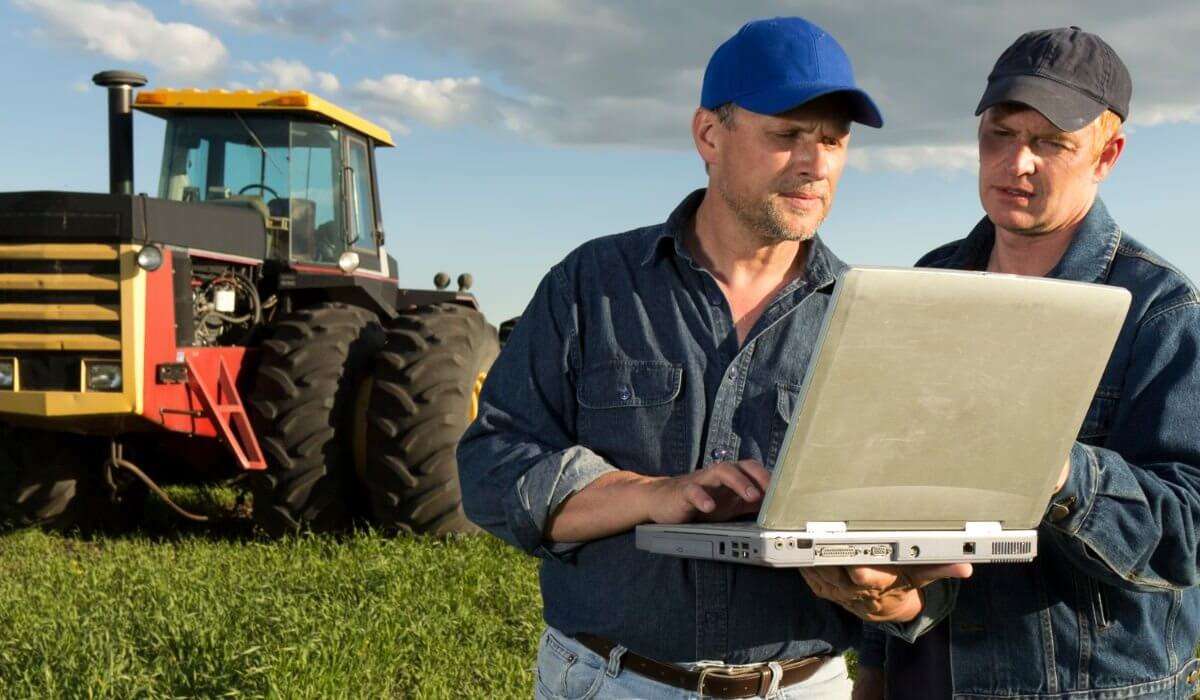
  • Two male farmers holding a laptop in an open field. There's a tractor in the background.
  • A large orange combine harvester with a wide cutter bar harvests a golden field of wheat on a sunny day.
  • Red tractor pulls a wooden wagon overflowing with hay across a green field under a blue sky.
  • Several tractors are parked under a large white open-sided tent in a green field.
  • Salesman selling farm equipment to a male customer.

Is Farm Equipment Leasing Right For Your Alberta Farm?

By in Agricultural Land with 0 Comments

You’re ready to build your dream farm in Alberta. One important question looms: how will you get the equipment you need? Farm equipment leasing in Alberta offers a compelling alternative to traditional ownership, providing potential benefits for both your budget and your peace of mind. Let’s delve into the key factors that can help you decide if leasing is the right choice for your Alberta farm. There are advantages and considerations to keep in mind – let’s explore them together! Skip To What You Need To Know: The Pros and Cons of Leasing Farm Equipment Key Factors To Consider When Deciding On Farm Equipment Leasing Or Buying In Alberta Additional Resources For Alberta Farmers Tips On How To Lease Farm Equipment The Pros And Cons Of Leasing Farm Equipment Farm equipment is essential for any agricultural operation, but the costs can be substantial. For many farmers in Alberta, farm equipment leasing is an attractive alternative to buying. Leasing offers some significant benefits, especially in the short term, but it also comes with drawbacks you’ll want to consider: Cash Flow Benefits One of the biggest advantages of leasing farm equipment is improved cash flow. Leasing typically requires a small down payment and lower monthly payments than purchasing the same equipment outright. This frees up capital that can be used for other essentials like seeds, fertilizer, and land payments. Farm equipment leasing can be a particularly flexible option if money is tight or you want to conserve resources. Access To Newer Equipment Leasing provides farmers with instant access to advanced equipment that might otherwise be unaffordable to purchase. Newer equipment is often more efficient, reliable, and technologically advanced, which can help increase productivity and crop yields. For time-sensitive tasks like harvesting or seeding, having the latest equipment is crucial. Ongoing Costs While farm equipment leasing seems appealing in the short run, the costs don’t disappear. Lease payments must be made for the life of the lease, and they often come with interest charges. If you continue to lease new equipment year after year, the payments never truly end. Over the lifetime of a piece of equipment, leasing may ultimately cost more than buying outright. Less Control Another downside of leasing is the lack of control and flexibility. Leased equipment typically can’t be modified or repaired without permission from the dealer. You may face penalties if you break the terms of the lease agreement. Once the lease is up, the equipment must be returned, which means finding new equipment to lease or buy. For Alberta farmers, the decision to buy or lease equipment depends on your operation’s needs, financial situation, and long-term goals. Evaluate all the pros and cons to determine what will benefit your farm the most. With proper planning, either option can be part of a sustainable equipment management strategy. Key Factors To Consider When Deciding On Farm Equipment Leasing Or Buying In Alberta Leasing farm equipment in Alberta can be a smart solution for managing costs, ensuring reliability, and navigating tax implications. However, it’s crucial to weigh the pros and cons carefully before making this important decision. Here’s a breakdown of the key factors to consider: Cost And Cash Flow Farm equipment leasing offers farmers lower upfront costs and often lower monthly payments than buying outright. If cash flow is tight, leasing can be appealing since you’re not dropping a huge amount of capital to own the equipment. However, lease payments are ongoing and can impact your budget for years. Review the terms of any lease carefully to understand your total financial obligation before signing. Reliability And Dealer Support For critical equipment needed during planting or harvest, leasing ensures you have a reliable machine and dealer support when you need it most. Dealers typically handle or assist with repairs to leased equipment, reducing downtime. If a machine goes down during a crucial time, your dealer will work to get you back up and running as quickly as possible. Some leases also come with warranties for additional peace of mind. Tax Considerations There are tax benefits to both buying and leasing equipment. Purchasing allows you to deduct the entire cost of the equipment over its useful life. Farm equipment leasing also provides tax deductions for the annual payments. The tax implications can be complicated, so talk to your accountant about which option is better for your operation based on your income and tax bracket. Risk With leasing, the risk of equipment failure or obsolescence sits more with the dealer. If a leased machine breaks down or technology changes, you can often upgrade to a new lease on updated equipment. However, leasing ties up capital that could be used for other parts of your operation. There is also a risk that lease terms may become less favorable over time. Owning equipment outright means taking on the risk that it could significantly decrease in value or need major repairs. However, ownership also provides stability without ongoing payments or uncertainty about future lease terms. For many farmers, the familiarity and security of ownership outweigh the risks. In the end, the choice between buying or leasing farm equipment in Alberta comes down to your operation’s financial situation, risk tolerance, and equipment needs. Evaluate all the factors carefully and determine what will benefit your farm most in the long run. Additional Resources For Alberta Farmers When considering farm equipment leasing, there’s a wealth of reliable information at your fingertips. Here are key resources to help you make informed decisions: Agriculture Financial Services Corporation (AFSC): Explore financing options, insurance programs, and other support services provided by the Alberta government through the AFSC. Canadian Federation of Agriculture (CFA): Access industry-wide resources and advocacy efforts from this national organization https://www.cfa-fca.ca/. Canada Revenue Agency (CRA): Dig into the tax implications of leasing versus buying farm equipment by searching the CRA website Tips On How To Lease Farm Equipment Leasing farm equipment can be a strategic financial move for Alberta farmers. It offers advantages like lower upfront costs, access to

Read More

  • Thinking of planting on winter? Look at this close-up of vibrant radish clover. Dive into our blog for insights on the best choices for a fruitful autumn harvest
  • A freshly cultivated land, a canvas awaiting your green touch. Explore farmable land investments and sow the seeds of a fruitful future.
  • Should you start using cover crops? Here are a few tips to follow.
  • Legume crops make excellent natural fertilizers
  • Annual rye grass mixed with a different cover crop.
  • Black mustard is an example of brassica cover crop.
  • Farm-ready simplicity: A field of mixed crops, bathed in sunlight.

Fall Cover Crops For Alberta: What Works and What Doesn’t

By in Agricultural Land with 0 Comments

As the summer fades and you start preparing your fields for the winter in Alberta, have you considered planting cover crops? Cover crops offer many benefits for your soil and next year’s crop. However, not all cover crops are suitable for Alberta’s climate. You need cover crops that can establish quickly in the fall, survive the winter, and provide benefits in the spring. After researching options and talking to other farmers in the area, here are the cover crops we’ve found work the best in Alberta. If you want to improve your soil health, reduce erosion, and naturally manage weeds and pests, fall cover crops may be one of your farm’s most straightforward and cost-effective tools. Skip To What You Need To Know: 5 Reasons Why You Should Plant Cover Crops In Alberta Cover Cropping Tips for Alberta’s Climate Legume Cover Crops: Peas and Beans for Nitrogen Fixation Grass Cover Crops: Annual Ryegrass and Cereal Rye Brassica Cover Crops: Radishes, Turnips and Mustards Mixing Cover Crop Varieties For the Best Results 5 Reasons Why You Should Plant Cover Crops In Alberta There are several benefits to consider: 1. Improve Soil Health  Cover crops increase organic matter, improve water infiltration, reduce erosion, and trap excess nitrogen in the soil. This means healthier soil that’s better able to support crop growth. 2. Natural Weed Control Cover crops compete with weeds and prevent their growth. They also take up moisture and nutrients that would otherwise feed the weeds. Some cover crops even release chemicals that inhibit weed seed germination and growth. 3. Moisture Management Cover crops help conserve soil moisture by shading the ground and reducing evaporation. Their roots also create pathways for water to penetrate deeper into the soil. At the same time, cover crops can help dry out excessively wet soils by transpiring water through their leaves. 4. Nutrient Cycling Legume cover crops like clover fix nitrogen from the air and make it available to subsequent cash crops. Other cover crops scavenge nutrients like phosphorus and potassium from deep in the soil and recycle them at the surface. 5. Pest Suppression Some cover crops release compounds that deter pests like nematodes, disease-causing fungi, and insects. They can also provide a habitat for beneficial predators like ground beetles, spiders, and birds. In Alberta’s short growing season, choosing cover crops that establish, grow, and provide benefits quickly is critical. With the right choices and management, cover crops can improve your soil, save costs on inputs, and boost crop productivity. What’s not to like? Cover Cropping Tips For Alberta’s Climate If you want to start with cover cropping in Alberta, start with what works for our climate. Some tips: 1. Choose Cold-Tolerant Crops Alberta’s frigid winters mean you need cover crops that can handle freezes, like rye, oats, peas, and clover. These will grow in the fall and resume growth in the spring. On-Farm Climate Action Fund: Making Cover Cropping Within Reach Aiming for a sustainable farm or ranch can be costly. That’s why the government has created the On-Farm Climate Action Fund (OFCAF). It provides financial support to producers to adopt beneficial management practices that reduce greenhouse gas emissions and improve farm resilience. Producers can receive up to 85% reimbursement for eligible costs of improving nitrogen management, adopting cover cropping, and strengthening rotational grazing. Read more about this program here. 2. Time Seeding Carefully Sow cover crops into standing crops like barley or canola 2-3 weeks before harvest or seed soon after harvest before the ground freezes. Well-established crops will overwinter better. 3. Consider Frost Seeding Broadcasting seed over snow in late winter or early spring may work for some cover crops. The seed will germinate once the snow melts. This can save time in spring when you’re busy with other farm tasks. 4. Provide Nutrients Cover crops use excess nitrogen and other nutrients left over from the previous crop. You may need to apply additional fertilizer, especially for legume-cover crops like peas and clover. You can make cover cropping work in Alberta with the right cover crop choices, timing, and care. Learn from resources online and see the benefits to your soil, saving time and money in the long run. Your land will thank you for it! Legume Cover Crops: Peas and Beans for Nitrogen Fixation Adding legume cover crops like peas and beans to your field rotation significantly benefits your soil. These plants establish a nitrogen fertilizer factory in their roots with the help of special soil bacteria called rhizobia. Peas and beans trap nitrogen from the air and convert it into ammonia in root nodules. The rhizobia bacteria help make this conversion possible. The ammonia is then used by the plant, and the excess is left in the soil for the next crop. This is known as nitrogen fixation, and it’s like giving your soil a shot of natural fertilizer. Common legume cover crops for Alberta include field peas, lentils, chickpeas, vetch, and clover. Using these cover crops can reduce your need for commercial nitrogen fertilizer. In addition to providing nitrogen, legume cover crops suppress weeds, reduce erosion, and improve soil structure. Their roots penetrate deep into the soil, opening up passageways for air and water. The plants also produce organic matter as they grow and when they decompose. Legume cover crops are an easy way to give your soil an extra nitrogen boost and improve its health without harsh chemicals. Adding them to your crop rotation, along with the right management, can help build your farm’s long-term sustainability and productivity. Grass Cover Crops: Annual Ryegrass and Cereal Rye When selecting nonlegume cover crops for your Alberta farm, two excellent grass options are annual ryegrass and cereal rye. Benefits of Cereal Rye As A Cover Crop Nutrient Catch Crop: Cereal rye is excellent at absorbing unused soil nitrogen because its quick-growing, fibrous root system can hold as much as 100 lb. of nitrogen. Prevents Erosion: Its extensive soil-holding root system helps to prevent soil erosion, which is beneficial for

Read More

Join the VIP List and Get Land Alerts

[contact-form-7 id="18258"]

Talk To A Land Specialist

[contact-form-7 id="16813"]