Buying Tips

  • Two men kneel in a vast field, engaged in a discussion about Alberta farmland values and acreage land for sale, examining young crops.
  • Farmer checks his phone in a blooming canola field near a grain silo.
  • Two farmers assess cabbage growth in a large field, one using a laptop.

Decoding The Dynamics Of Alberta Farmland Values & Insights On What’s Driving The Market In 2024 And Beyond

By in Agricultural Land with 0 Comments

Assessing the value of farmland in Alberta is critical whether you’re a seasoned farmer, a rancher looking to expand, or an aspiring landowner searching for the perfect acreage land for sale in Alberta. The market is shaped by various factors, each influencing the price of land in unique ways. Let’s break down the key drivers of Alberta farmland values. Skip To What You Need To Know: What Shapes Alberta Farmland Values? Alberta farmland values are anything but uniform. The price of an acreage of land for sale can fluctuate wildly depending on various interconnected factors. Location, Location, Location When it comes to Alberta farmland, location is key. Several location-based factors can significantly influence the value of the land: Proximity to Urban Centers: Land closer to cities or towns typically commands higher prices due to its accessibility to markets, processing facilities, and transportation. Accessibility: Farmland near major highways or rail lines is more desirable because of the logistical advantages it offers. Water Resources: Access to reliable water sources, whether natural or via irrigation, is crucial in Alberta’s climate and can greatly enhance land value. Quality And Productivity Of The Land Itself The land’s inherent qualities are crucial in determining its value. Consider these elements: Soil Type and Fertility: The type and quality of the soil directly impact agricultural yields. Fertile, well-drained soils command a premium. Topography: Flat or gently sloping land is typically easier to farm and manage, increasing its desirability compared to steep terrain. Water Availability: Sufficient water, whether from natural rainfall or reliable irrigation, is essential for successful farming and influences land value. The Economic Landscape The broader economic environment plays a significant role in shaping farmland values: Commodity Prices: The market prices of crops and livestock directly affect farm profitability, influencing demand for farmland. Interest Rates: Lower interest rates make financing more affordable, potentially increasing demand and pushing land prices higher. Economic Health: The overall economic conditions in Alberta and Canada impact investor confidence and, by extension, farmland values. The Role of Government Government policies and regulations can directly and indirectly affect farmland values: Agricultural Policies: Subsidies, tax incentives, and support programs can impact farm profitability and influence land investment decisions. Zoning and Environmental Regulations: Restrictions on land use and development can affect the potential uses and, consequently, the value of farmland. The Dynamics Of Supply and Demand The fundamental economic principles of supply and demand play a major role in determining farmland prices: Supply and Demand Imbalance: High demand coupled with limited supply typically leads to increased farmland values. Competition: Competition from investors and developers seeking to acquire acreage land for sale for non-agricultural purposes can also drive up prices in certain areas. For anyone involved in the Alberta farmland market, keeping these factors in mind is essential. Whether you’re buying, selling, or assessing your land’s value, understanding these influences is key. How Do You Accurately Assess Alberta Farmland Values? While understanding the factors that influence farmland values is essential, reliable methods for assessing the value of a specific parcel of land are equally important. Accurate valuation is key to a successful transaction, whether you’re buying or selling. Comparative Market Analysis (CMA) CMA is a widely-used method for real estate valuation, involving the comparison of recent sales of similar properties in the area. This analysis considers location, land size, quality, and recent market trends to estimate the land’s fair market value. However, it’s important to remember that each property is unique, and subtle differences can impact value. Professional Appraisals For a definitive valuation, hiring a qualified appraiser is crucial. These professionals thoroughly evaluate the property, considering all relevant factors and market conditions. Their analysis provides an accurate estimate of the land’s value, which is essential for making informed decisions. While online tools offer a starting point, they cannot replace the expertise of a professional appraiser. Working with qualified appraisers ensures accurate valuations, helping you navigate the Alberta farmland market with confidence. What Lies Ahead For Alberta Farmland Values In 2024 And Beyond? Year Yearly Percentage Change In Alberta Cultivated Farmland Values 2014 8.8% 2015 11.6% 2016 9.5% 2017 7.3% 2018 7.4% 2019 3.3% 2020 6% 2021 3.6% 2022 10% 2023 6.5% A Table From The Latest FCC Report Showing The Annual Percentage Change Of Alberta Cultivated Farmland Values The Alberta farmland market has a history of steady appreciation, making it an attractive investment for many. However, it’s important to understand both historical trends and the current market outlook to make informed decisions. Historical Perspective: Steady Growth Over the past decade, Alberta has seen a steady appreciation in farmland values. The current FCC Farmland Values Report indicates a 6.5% increase in cultivated farmland values in 2023, following a robust 10.0% increase in 2022. This consistent growth underscores the desirability and resilience of Alberta’s agricultural land. The Current Market: Strong Demand Amidst Challenges The current market outlook for Alberta farmland values remains positive, fueled by strong demand for quality land and limited supply. While interest rates and input costs have risen, farm cash receipts also reached a new record in 2023, contributing to the continued appreciation of land values. Live auctions and sealed land tenders have become increasingly popular, further intensifying competition for available land. Regional Nuances: Varying Growth Rates Farmland values in Alberta vary by region. For instance: Southern Alberta saw a 9.1% increase in 2023, driven by high demand. Central Alberta experienced a 6.7% increase, aligning with the provincial average. Peace Region and Northern Alberta saw more modest increases of 2.9% and 5.7%, respectively. Irrigated farmland experienced a significant 11.7% increase. Understanding these regional differences is critical when evaluating land for purchase or sale. Looking Ahead: Continued Strength and Affordability Concerns The outlook for Alberta farmland remains strong, with ongoing demand expected. However, rising land values are leading to affordability concerns, making financial planning more important than ever. Making the Right Decisions in Alberta’s Farmland Market The Alberta farmland market is shaped by various factors, from location and land quality to economic conditions and government policies.
Read More

  • Two male farmers holding a laptop in an open field. There's a tractor in the background.
  • A large orange combine harvester with a wide cutter bar harvests a golden field of wheat on a sunny day.
  • Red tractor pulls a wooden wagon overflowing with hay across a green field under a blue sky.
  • Several tractors are parked under a large white open-sided tent in a green field.
  • Salesman selling farm equipment to a male customer.

Is Farm Equipment Leasing Right For Your Alberta Farm?

By in Agricultural Land with 0 Comments

You’re ready to build your dream farm in Alberta. One important question looms: how will you get the equipment you need? Farm equipment leasing in Alberta offers a compelling alternative to traditional ownership, providing potential benefits for both your budget and your peace of mind. Let’s delve into the key factors that can help you decide if leasing is the right choice for your Alberta farm. There are advantages and considerations to keep in mind – let’s explore them together! Skip To What You Need To Know: The Pros and Cons of Leasing Farm Equipment Key Factors To Consider When Deciding On Farm Equipment Leasing Or Buying In Alberta Additional Resources For Alberta Farmers Tips On How To Lease Farm Equipment The Pros And Cons Of Leasing Farm Equipment Farm equipment is essential for any agricultural operation, but the costs can be substantial. For many farmers in Alberta, farm equipment leasing is an attractive alternative to buying. Leasing offers some significant benefits, especially in the short term, but it also comes with drawbacks you’ll want to consider: Cash Flow Benefits One of the biggest advantages of leasing farm equipment is improved cash flow. Leasing typically requires a small down payment and lower monthly payments than purchasing the same equipment outright. This frees up capital that can be used for other essentials like seeds, fertilizer, and land payments. Farm equipment leasing can be a particularly flexible option if money is tight or you want to conserve resources. Access To Newer Equipment Leasing provides farmers with instant access to advanced equipment that might otherwise be unaffordable to purchase. Newer equipment is often more efficient, reliable, and technologically advanced, which can help increase productivity and crop yields. For time-sensitive tasks like harvesting or seeding, having the latest equipment is crucial. Ongoing Costs While farm equipment leasing seems appealing in the short run, the costs don’t disappear. Lease payments must be made for the life of the lease, and they often come with interest charges. If you continue to lease new equipment year after year, the payments never truly end. Over the lifetime of a piece of equipment, leasing may ultimately cost more than buying outright. Less Control Another downside of leasing is the lack of control and flexibility. Leased equipment typically can’t be modified or repaired without permission from the dealer. You may face penalties if you break the terms of the lease agreement. Once the lease is up, the equipment must be returned, which means finding new equipment to lease or buy. For Alberta farmers, the decision to buy or lease equipment depends on your operation’s needs, financial situation, and long-term goals. Evaluate all the pros and cons to determine what will benefit your farm the most. With proper planning, either option can be part of a sustainable equipment management strategy. Key Factors To Consider When Deciding On Farm Equipment Leasing Or Buying In Alberta Leasing farm equipment in Alberta can be a smart solution for managing costs, ensuring reliability, and navigating tax implications. However, it’s crucial to weigh the pros and cons carefully before making this important decision. Here’s a breakdown of the key factors to consider: Cost And Cash Flow Farm equipment leasing offers farmers lower upfront costs and often lower monthly payments than buying outright. If cash flow is tight, leasing can be appealing since you’re not dropping a huge amount of capital to own the equipment. However, lease payments are ongoing and can impact your budget for years. Review the terms of any lease carefully to understand your total financial obligation before signing. Reliability And Dealer Support For critical equipment needed during planting or harvest, leasing ensures you have a reliable machine and dealer support when you need it most. Dealers typically handle or assist with repairs to leased equipment, reducing downtime. If a machine goes down during a crucial time, your dealer will work to get you back up and running as quickly as possible. Some leases also come with warranties for additional peace of mind. Tax Considerations There are tax benefits to both buying and leasing equipment. Purchasing allows you to deduct the entire cost of the equipment over its useful life. Farm equipment leasing also provides tax deductions for the annual payments. The tax implications can be complicated, so talk to your accountant about which option is better for your operation based on your income and tax bracket. Risk With leasing, the risk of equipment failure or obsolescence sits more with the dealer. If a leased machine breaks down or technology changes, you can often upgrade to a new lease on updated equipment. However, leasing ties up capital that could be used for other parts of your operation. There is also a risk that lease terms may become less favorable over time. Owning equipment outright means taking on the risk that it could significantly decrease in value or need major repairs. However, ownership also provides stability without ongoing payments or uncertainty about future lease terms. For many farmers, the familiarity and security of ownership outweigh the risks. In the end, the choice between buying or leasing farm equipment in Alberta comes down to your operation’s financial situation, risk tolerance, and equipment needs. Evaluate all the factors carefully and determine what will benefit your farm most in the long run. Additional Resources For Alberta Farmers When considering farm equipment leasing, there’s a wealth of reliable information at your fingertips. Here are key resources to help you make informed decisions: Agriculture Financial Services Corporation (AFSC): Explore financing options, insurance programs, and other support services provided by the Alberta government through the AFSC. Canadian Federation of Agriculture (CFA): Access industry-wide resources and advocacy efforts from this national organization https://www.cfa-fca.ca/. Canada Revenue Agency (CRA): Dig into the tax implications of leasing versus buying farm equipment by searching the CRA website Tips On How To Lease Farm Equipment Leasing farm equipment can be a strategic financial move for Alberta farmers. It offers advantages like lower upfront costs, access to

Read More

  • Aerial view of a neighborhood with houses and trees.
  • Open field bathed in warm sunrise light, with red barn in background.
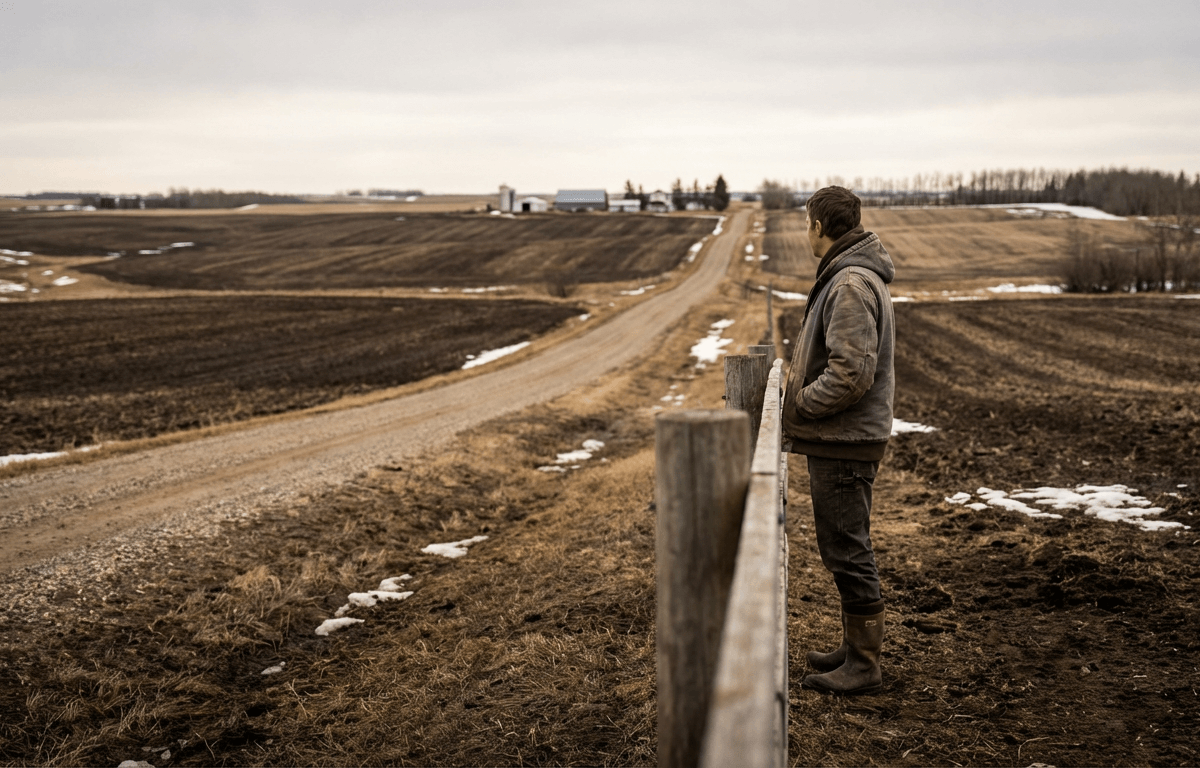
  • A person in work jacket stands by a fence overlooking rolling Alberta farmland in early spring, with cultivated fields, a gravel road, and distant farm buildings under an overcast sky

How Changing Markets and Interest Rates Are Shaping Alberta Land Purchases in 2026

By in Alberta with 0 Comments

Interest rates quietly influence almost every land decision made in Alberta. They shape borrowing costs, buyer confidence, pricing pressure, and even how long land stays on the market. In early 2026, those forces feel more visible than they have in years. Buyers are paying closer attention, sellers are adjusting expectations, and long-term land decisions are being weighed with more care. This is not about short-term headlines or market noise. It is about how buying land interest rates affect real decisions, real financing, and real land values across Alberta. From farmland and ranchland to recreational and development parcels, interest rates continue to guide behavior in ways that last far beyond a single season. What follows is a grounded look at how interest rates affect land prices, what has changed recently, and how buyers can approach land decisions with clarity and confidence this year and beyond. Jump To: Why interest rates matter more for land than many expect Land behaves differently than housing. There is no uniform mortgage product, no standard buyer profile, and no single reason people purchase land. Some buy for agriculture. Some buy for future development. Others buy for lifestyle, legacy, or diversification. Because of that, buying land interest rates often influence land prices in indirect but powerful ways. Interest rates affect land in three primary areas: Financing access: Higher rates increase borrowing costs and tighten lending criteria. Buyer psychology: Shifts in rates influence patience, urgency, and perceived opportunity. Pricing flexibility: Sellers respond to buyer capacity, not just asking prices. Land does not react overnight, but it does respond steadily. A brief look at where interest rates stand in early 2026 As of February 2026, the Bank of Canada continues to hold rates at levels higher than the ultra-low period seen earlier in the decade. While volatility has eased compared to previous years, borrowing costs remain elevated relative to long-term historical lows. The Bank of Canada remains the most authoritative source for rate direction and monetary policy context. Their official rate announcements and economic outlooks provide helpful background for anyone planning a land purchase. For land buyers, the takeaway is simple. Rates are not extreme, but they are not cheap. That environment rewards preparation and patience rather than rushed decisions. How interest rates affect land prices in Alberta Land prices do not rise or fall solely because of interest rates, but rates influence the pace and tone of the market. Financing costs change buyer capacity When borrowing costs rise, monthly payments increase. For land buyers, this can mean: Smaller maximum purchase budgets Larger required down payments More scrutiny from lenders Longer approval timelines That does not remove buyers from the market, but it does narrow the pool at certain price points. Over time, pricing adjusts to match that reality. Cash buyers gain quiet leverage Higher rates tend to shift advantage toward buyers using less leverage. Cash or low-leverage buyers often find: More negotiating room Less competition Greater flexibility on closing terms This does not mean prices collapse. It means transactions become more measured. Sellers adjust expectations gradually Land sellers rarely panic. Unlike residential real estate, land ownership often carries less urgency. However, sellers do respond when listings sit longer or financing becomes harder for buyers. This adjustment happens slowly, but it happens. Alberta’s land market reacts differently by land type Interest rates do not affect all land equally. Alberta’s land market is diverse, and each segment responds in its own way. Farmland and agricultural land Farmland remains one of the most resilient land categories in Alberta. Even when buying land interest rates rise, farmland often maintains value due to: Income potential Long-term food demand Limited supply of high-quality parcels That said, rate pressure can slow transaction volume. Buyers take more time, and pricing growth tends to stabilize rather than surge. Ranchland Ranchland follows a similar pattern to farmland but adds lifestyle and operational considerations. Interest rates influence ranchland purchases primarily through financing structure and buyer intent. Buyers planning to operate or hold land for generational use tend to move forward even in higher-rate environments, though they often negotiate more carefully. Recreational land Recreational land is more sensitive to borrowing costs. When rates rise, discretionary purchases slow first. Buyers become selective, focusing on properties with: Access Water features Proximity to population centers Clear future utility Pricing remains stable on premium parcels but softens faster on secondary locations. Development land Development land reacts strongly to interest rates. Higher borrowing costs impact project feasibility, timelines, and investor appetite. This does not eliminate opportunity, but it shifts it toward well-located land with clear long-term demand. For a broader view on how development influences land value, this article provides useful perspective. Why Alberta land prices remain resilient despite higher rates A common assumption is that higher rates automatically push land prices down. Alberta’s land market tells a more nuanced story. Several factors support price stability: Population growth Agricultural demand Infrastructure expansion Limited supply in key regions Long holding periods among owners Interest rates influence timing more than long-term direction. Many buyers adjust how they buy rather than if they buy. Buying land interest rates and buyer strategy in 2026 The most successful land buyers in 2026 share a few common traits. They focus less on rate headlines and more on structure and planning. Strong financial preparation Buyers entering the land market today benefit from: Clear financing conversations early Flexible down payment strategies Conservative cash flow assumptions This preparation builds confidence and negotiating strength. Focus on fundamentals, not noise Short-term rate movements matter less than land fundamentals. Buyers who prioritize: Soil quality Location Access Zoning Long-term use tend to make better decisions regardless of interest rate cycles. Patience as a strategy Higher rates slow markets. That creates space for thoughtful decisions. Buyers willing to wait for the right parcel often secure stronger long-term value. How interest rates affect land prices over the long term One of the most overlooked aspects of land ownership is time. Land rewards patience more than timing. Historically, interest rate

Read More

  • Can Alberta's prairies be suitable for recreational purposes?
  • Invest in recreational land that's accessible. If you have unique needs, consult a trusted land broker!
  • Always seek professional help if you're unsure about your prospect!
  • A family enjoys a cozy night by the bonfire, surrounded by nature on their recreational land. Marshmallow roasting and a selfie capture the joy of owning a perfect getaway for memorable camping experiences.
  • The perfect getaway? A recreational property that lets you enjoy Alberta's incredible landscapes.

The Ins And Outs Of Buying Recreational Land In Alberta

By in Recreational Land with 0 Comments

So you’ve decided to invest in a little slice of paradise and purchase recreational property in Alberta. Excellent choice. Alberta’s stunning vistas, lakes, and woodlands offer an ideal escape from the everyday. But before you sign on the dotted line, you must understand precisely what you’re getting into. Recreational property is more than just a place to get away on weekends. There are costs, responsibilities, and regulations to consider. Do you know how zoning laws impact what you can build? Have you thought about accessing utilities or emergency services? Buying recreational land in Alberta is exciting, but go in with your eyes open to ensure your new sanctuary doesn’t become a money pit! With some research and the right questions, you’ll be well on your way to owning a perfect patch of paradise you’ll enjoy for years. SKIP TO WHAT YOU NEED TO KNOW: What Is Considered Recreational Land In Alberta? What Are Key Factors To Consider When Purchasing Recreational Property In Alberta? Tips For A Successful Recreational Property Purchase What Is Considered Recreational Land In Alberta? Recreational land in Alberta refers to property used for leisure activities like camping, fishing, and hunting. It can be public land supervised by the government or agricultural land owned by an individual. As someone interested in investing in recreational land, this means that you’ll have to look for agricultural or ready-to-develop land first. You must also be familiar with these three important laws: Agricultural and Recreational Land Ownership Act, Alberta Land Stewardship Act (ALSA), The Recreational Access Regulation. Alberta Agricultural and Recreational Land Ownership Act The Agricultural and Recreational Land Ownership Act limits foreign ownership of agricultural and recreational land in Alberta. It allows foreigners to develop factories, residential subdivisions, and recreational properties but restricts how much land they can buy. The Act aims to protect agriculture and land control for Albertans while providing foreigners with business opportunities. Those interested in purchasing recreational property should research the Act’s details or consult a lawyer. Alberta’s Recreational Access Regulation The regulation ensures that agricultural leaseholders can properly manage their land. Recreational access to leased lands is only permitted with the leaseholder’s consent.  The law applies to public lands under agricultural leases, including grazing leases. It aims to balance recreational access with agricultural use. Leaseholders must allow access to recreational activities like hunting, fishing, and hiking but can restrict access to protect the land, crops, livestock, and infrastructure. Restrictions may apply during certain seasons or weather conditions. Alberta Land Stewardship Act (ALSA) The Alberta Land Stewardship Act manages land use and planning in Alberta, aiming to balance environmental protection, economic development, and property rights.  Landowners must follow their region’s statutory plan to use land sustainably and avoid conflicts. Statutory programs offer stability and predictability for long-term growth. Investing in recreational land in Alberta for outdoor activities is a smart choice. But before making a purchase, research and understand the associated rules and regulations. With careful planning, you can find the ideal recreational property for you. What Are Key Factors To Consider When Purchasing Recreational Property In Alberta? When buying recreational land in Alberta, think about the following factors:  Goals Determine how you want to use the property. Is it for seasonal vacationing, permanent residence, or investment? This will guide your search. Cost and Financing Recreational land can be expensive. Ensure you understand all fees, like property taxes, and explore financing options like mortgages. Realtor Survey Reveals Overlooked Factors In Purchasing Recreational Land 33% of buyers prioritize cell phone reception and internet access when buying recreational properties, but it’s often overlooked. 15% of buyers think “on the water” means private access, but it could be near a public beach. 13% said water source (well or lake) is an essential factor often ignored. 8% of renters overlook key factors like rules, seasonality, and maintenance. Other sometimes overlooked considerations included snow removal on roads, garbage and recycling services access, and regulations regarding motorized watercraft. Access and Amenities Look at the property’s location relative to utilities and facilities. Can you access it year-round? Are there nearby hospitals or stores? These factors affect usage and resale value. Environmental Considerations Check if the land has environmental protections or sensitivities like wetlands or endangered species habitat. This can limit how the property is used. Zoning and Restrictions Each municipality has different rules around recreational property usage, building codes, and lot sizes. Make sure you understand all regulations before purchasing. Tips For A Successful Recreational Property Purchase Some tips to keep in mind when buying recreational land in Alberta: Do Your Homework Research the area thoroughly and understand zoning restrictions and development potential before making an offer. Check if utilities like electricity or well water are accessible or if septic installation is allowed. Know what you can and can’t do with the land before you buy. Get Pre-Approved You should schedule a meeting with your bank or mortgage broker to discuss your budget and obtain pre-approval for a loan to purchase recreational land. Be sure to thoroughly understand all associated fees and costs before moving forward. Review the Purchase Agreement Carefully Get a real estate lawyer to review the purchase agreement to avoid any restrictions or easements on the title that could limit the use of the property. Negotiate the best possible deal and terms. Consider Costs Beyond the Purchase Price Don’t forget to include property taxes, insurance, and travel expenses when buying recreational land. Ongoing upkeep costs are also typical, so make sure they fit your budget. Visit the Property Again Visit the land before finalizing the sale. Look for new issues and re-evaluate if the property meets your needs and goals. Buying recreational land is a big decision, so an extra trip to confirm is worth the investment. With diligent research and planning, you’ll be well on your way to finding your perfect recreational getaway in Alberta. Invest In Recreational Land Today You now have the tools and knowledge to make an informed recreational property purchase in Alberta. Do your homework,

Read More

Join the VIP List and Get Land Alerts

[contact-form-7 id="18258"]

Talk To A Land Specialist

[contact-form-7 id="16813"]