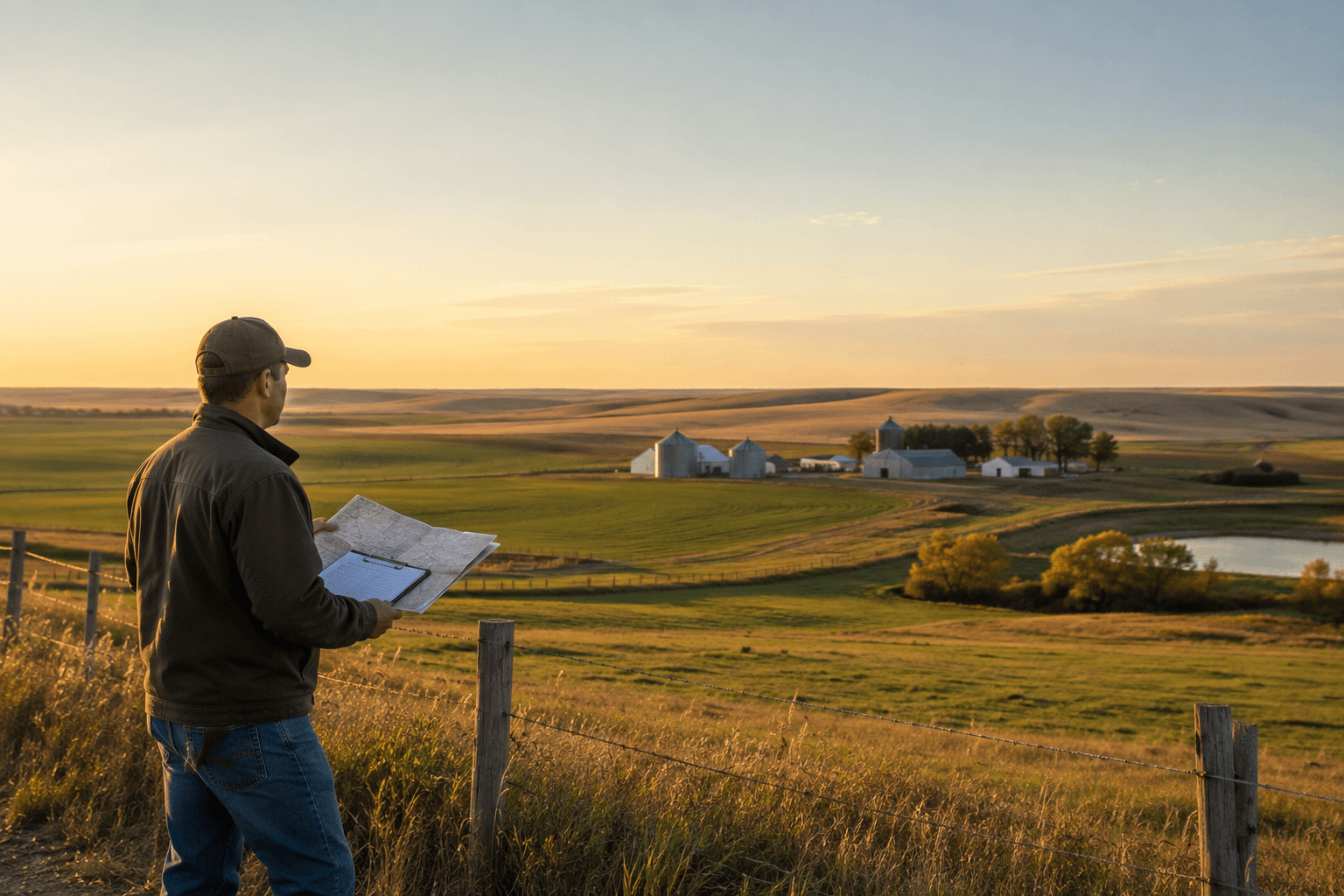
Buying farmland is not a matter of comparing acreage and asking price. Two parcels in the same area can look similar from the road yet offer very different productive capacity, access, operating costs, legal obligations, and resale potential.


Buying farmland is not a matter of comparing acreage and asking price. Two parcels in the same area can look similar from the road yet offer very different productive capacity, access, operating costs, legal obligations, and resale potential.

In Alberta, the idea of carving out a self-reliant life on your own land has never felt more achievable, or more meaningful. Across the foothills west of Highway 2, small acreages and rural tracts are turning into full-scale self-sustaining homesteads. These aren’t remote hideaways; they’re thoughtfully managed properties where independence, resourcefulness, and Alberta’s agricultural strength come together. For many, the journey starts with a clear goal: find land that supports a self-sufficient property; one that provides privacy, productive soil, clean water access, and the freedom to build sustainably. Jump To: Why Alberta Is Ideal for a Self-Sustaining Lifestyle Few places balance natural resources, economic stability, and community the way Alberta does. The province holds some of Canada’s most adaptable land for agricultural and recreational use, with fertile corridors stretching from the southern prairies to the wooded slopes along the Rockies. According to Statistics Canada, Alberta consistently ranks among the country’s leaders in farmland value growth. Even through market shifts, rural land continues to perform well as both a lifestyle and long-term asset. That growth is most visible west of Highway 2 along the eastern slopes of the Rockies, where properties benefit from good drainage, natural shelter from wind, and proximity to mountain runoff that supports grazing and small-scale crop operations. As Shawn Hansen of Hansen Land explains: “Looking for a property to homestead can be quite an undertaking. To find a smaller tract of land within the hills, trees, and topography of the western side of both Foothills County and Rocky View County is an adventure. You’ll need to find a broker that specializes in those properties, commit yourself to working with them, and your chances are increased significantly.” Start with the Land Itself Before thinking about crops, livestock, or solar panels, focus on the ground beneath your feet. Soil type, water access, and zoning rules determine what kind of homestead you can actually build. Soil & drainage: The Foothills corridor offers sandy-loam soils that drain well, ideal for small gardens or rotational grazing. Water sources: Creeks, dugouts, or well access are vital. Water licensing in Alberta is regulated; make sure you understand diversion rights early. Access & roads: Even remote acreages should allow safe year-round access for equipment and supply delivery. For deeper context on how Alberta parcels are measured and described, see Alberta Township Systems: What It Is and How It Works. Plan for Energy Independence Building a self-sufficient property means generating or conserving as much energy as possible. Many homesteads combine multiple systems: Solar panels for power generation and battery storage. Wind turbines for supplemental energy during winter months. Efficient heating such as geothermal or wood-burning stoves for colder seasons. The Alberta Government’s Energy Efficiency Rebate Program provides valuable insight into small-scale renewable options suitable for rural areas. Pairing these with passive design: south-facing windows, thermal mass walls, and natural ventilation, can reduce grid dependence dramatically. Build for Durability and Scale A homestead isn’t built overnight. It evolves. Starting with a modest footprint allows you to adapt as you learn how your land behaves across seasons. Key building considerations: Orientation: Position living areas to capture sun in winter and shade in summer. Materials: Locally sourced timber and metal roofing handle Alberta’s freeze-thaw cycle better than synthetic alternatives. Outbuildings: Prioritize a heated workshop or barn that doubles as storage for feed, tools, or solar batteries. Regulatory note: Before construction, confirm municipal zoning and development permits. Hansen Land Brokers’ clients often start this process while reviewing land title details and Alberta Farmland Values, ensuring the investment aligns with long-term goals. Grow What the Land Supports A resilient homestead mirrors the local ecosystem. In Alberta’s foothills: Vegetable gardens thrive with hardy crops like kale, potatoes, and carrots that tolerate shorter growing seasons. Small livestock: goats, chickens, and cattle can graze efficiently on mixed pasture. Cover crops such as clover and rye rebuild soil nutrients naturally. If you’re evaluating farmland productivity, the Alberta Agricultural Regions Map provides useful data on soil classification and precipitation zones. Those interested in buying productive acreage may also value Hansen Land’s guide on Finding Farms for Sale in Central Alberta. Integrate Water Management Early A self-sustaining homestead depends on efficient water systems. Rural properties west of Hwy 2 often benefit from natural springs or runoff channels from the Rockies, but those advantages require smart planning: Install cisterns or rain-capture systems to offset dry summers. Use gravity-fed irrigation for gardens and livestock troughs. Plan drainage swales to prevent erosion on sloped terrain. These improvements increase both livability and resale value. In some cases, they can also support eligibility for agricultural tax benefits, see Applying for Farm Status in Alberta (2025 Guide). Balance Privacy with Access to Services Homesteading doesn’t mean isolation. The best properties strike a balance, quiet enough for independence yet close enough to towns like Okotoks, Cochrane, or Blackfalds for access to feed suppliers, schools, and health care. Proximity to markets also allows you to sell produce or host agri-tourism experiences, both growing trends in Alberta’s rural economy. The province’s Small Farm Development Initiative shows increasing support for these diversified operations. Consider the Long-Term Economics A self-sustaining homestead can offset living expenses, but it should also be viewed as a financial asset. Alberta’s farmland and rural acreages have continued to appreciate due to limited supply near mountain corridors and ongoing demand for lifestyle properties. Investors and families alike see homesteads as dual-purpose: a way to live meaningfully and a hedge against inflation. Maintaining strong stewardship practices: rotational grazing, water conservation, and native tree planting, protects land value while contributing to the region’s ecological health. Work with a Land Broker Who Understands Rural Alberta Locating the right acreage isn’t just about searching listings. It’s about insight into zoning, water licensing, access easements, and market timing. A land broker specializing exclusively in Alberta land can guide you through each stage, from valuation to closing. Unlike residential agents, land brokers analyze soil capability, topography, and agricultural classification. They also
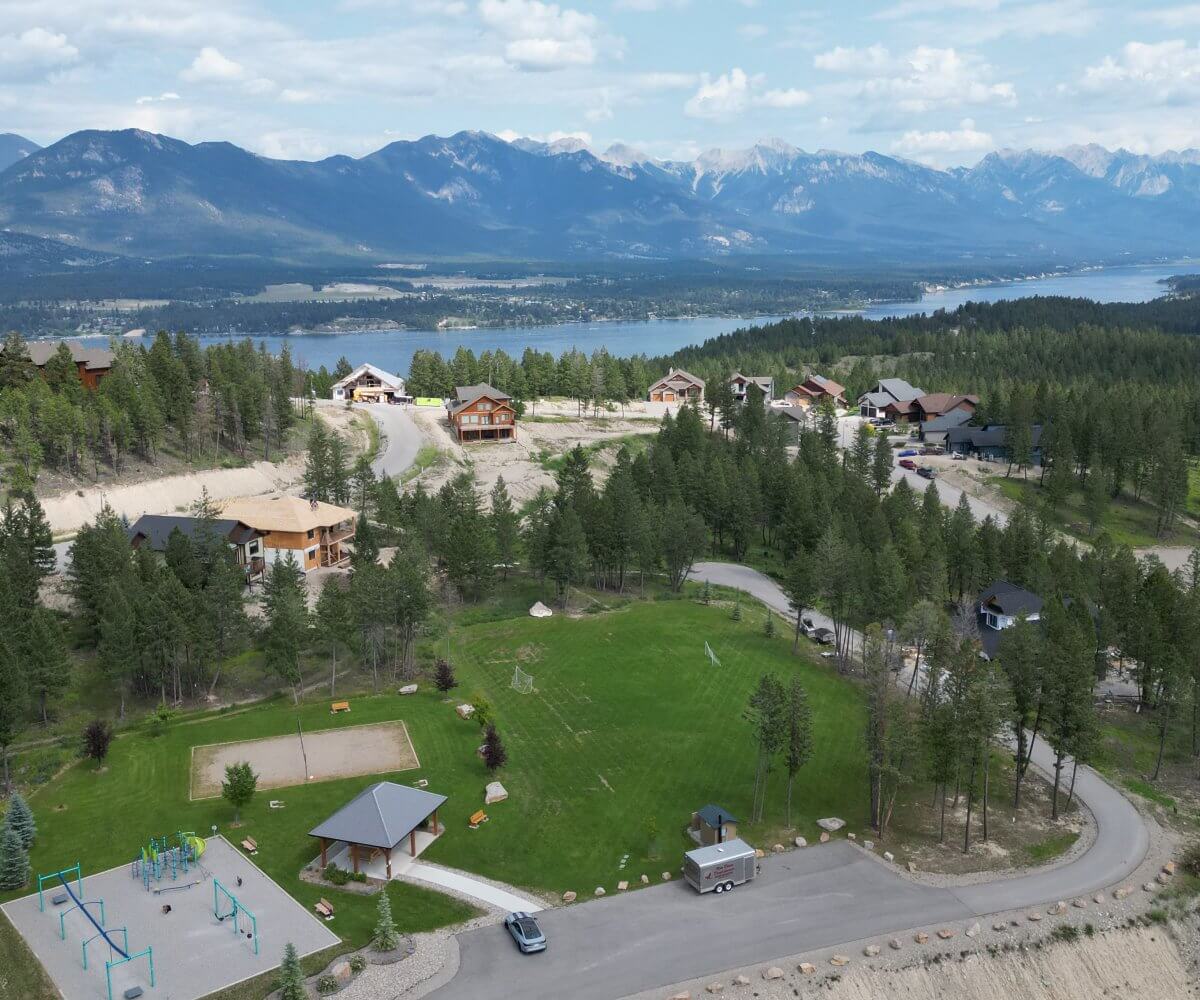
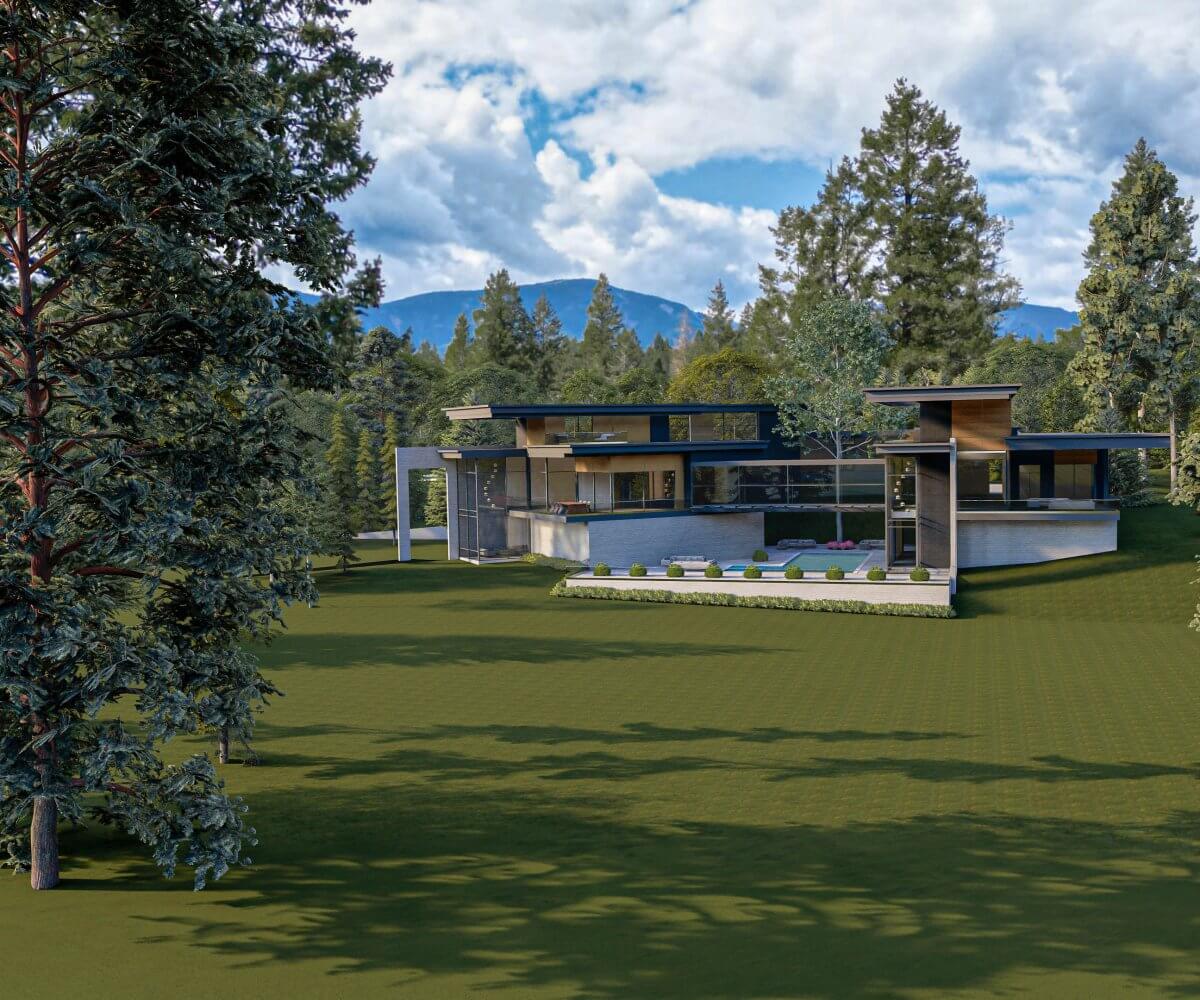

The Lot You’ve Been Thinking About Is On Someone Else’s Radar Too You’ve felt the pull of it. The morning light over the Columbia Valley. The steady two-and-a-half hour drive that melts city stress away. The lot that caught your eye weeks ago, maybe even months. You marked it. You might’ve shown it to someone close. You said, “this could be it.” And yet, here you are. Still thinking. Still waiting. Meanwhile, someone else has their cursor on the same map. Someone else is watching the days tick down, planning their move. When it sells, there won’t be a second round. No follow-up list. No last-minute addition. This isn’t about pressure—it’s about reality. The window is closing, and if you’re not registered, you won’t be part of the outcome. Want updates on availability and bidding timelines for your favorite lot? Get Lot Alerts and Auction Updates Jump To: This Auction Ends June 12. When It’s Over, It’s Over. There’s no do-over once the final lot is claimed. CastleRock and Lake Windermere Estates have been years in the making—but this release is finite. And that matters. Final-week activity is already accelerating. Behind the scenes, bids are being prepared. Questions are coming in. Families are shortlisting the properties they plan to pursue. All of it moves forward with or without you. You already know which lot feels right. You’ve done your homework. You’ve aligned it with your future goals. But unless you’re officially registered, your plans aren’t protected. The lot you love might be someone else’s backup. If they act first, it doesn’t matter that you were first to find it. The auction ends June 12. But the one that matters to you could end earlier if you’re not ready to bid when it counts. Register now to participate in the auction. It’s free, fast, and required to place a bid. Register to Bid – Get Access to the Full Auction Platform Imagine Watching Someone Else Build the Life You Were Planning Regret doesn’t show up all at once. It trickles in: The “Sold” tag on the lot you favorited. An email update about a property you can’t touch anymore. A conversation with someone who now owns the view you were considering. This isn’t just about land. It’s about what that land represents. Time outdoors. Generational traditions. A place your kids know by memory, or where you finally start something new. Those things don’t appear out of thin air. They’re built—and it starts with making one decision before it’s too late. If you walk away from this opportunity without even registering, the future you were planning may start with someone else’s name on the title. Not ready to register, but want to stay informed about bidding, timing, or lot availability? Join the VIP List First-Time Buyer? Weekend Dreamer? Legacy Planner? This Is Your Format. Buying land at auction can sound intimidating—until you see how this one is built. This is an online auction. Simple to access. Clear to follow. Designed with people in mind who are doing this for the first time. You won’t be rushed. You’ll have time to read everything. Explore the properties. Ask real questions. You’ll also have the advantage of a soft-close system. That means no one can sneak in with a last-minute bid without giving others a chance to respond. The timeline stretches when bidding picks up, protecting your ability to act. And when you register, you unlock full access: Real-time bidding timelines Full legal and community documents Notifications when your saved lots get attention This isn’t just for builders or land investors. Most of the current bidders? Everyday buyers looking for something personal, lasting, and close to home. Register today to unlock bidding access, review documents, and move forward confidently. Register to Bid There’s Still Time to Find Your Lot. But Not Much. The inventory is thinning. CastleRock still offers a few lots that check all the boxes: walkout potential, sunny exposures, and access to community trails. Lake Windermere Estates is down to its final group—larger, private lots built for long-term vision. These are not placeholders. Every parcel is distinct. And as auction day approaches, interest rises. One bidder just finalized their choice last week after watching three different lots. They’re now locked in, and they’ll be bidding. Could their final choice be the same one you’re still watching? You still have options. But they’re not unlimited. The map is dynamic. What you see now may not be what’s left next week. Get personalized updates on your favorite lots, including bidding timelines and final-week availability. Sign Up for Lot Alerts What Comes Next Is Yours to Decide—But Only If You Act CastleRock and Lake Windermere Estates offer more than land. They offer momentum. Momentum to spend your time differently. Momentum to shape something that outlives you. But that window closes June 12. And every day between now and then is one more chance to act before it’s too late. The process was designed to help real buyers move forward: clear documents, transparent timelines, flexible build conditions. But none of that matters if you miss the moment to register. You won’t look back on this with regret if you take the simple step today. But you might if you keep pushing it off. So ask yourself, when the auction ends, which phrase will you say? “I’m glad I did.” Or “I wish I had.” Register to Bid – Full Access to Bidding, Documents & Support Explore Available Lots – CastleRock & Lake Windermere Estates Get Lot Alerts and Countdown Updates
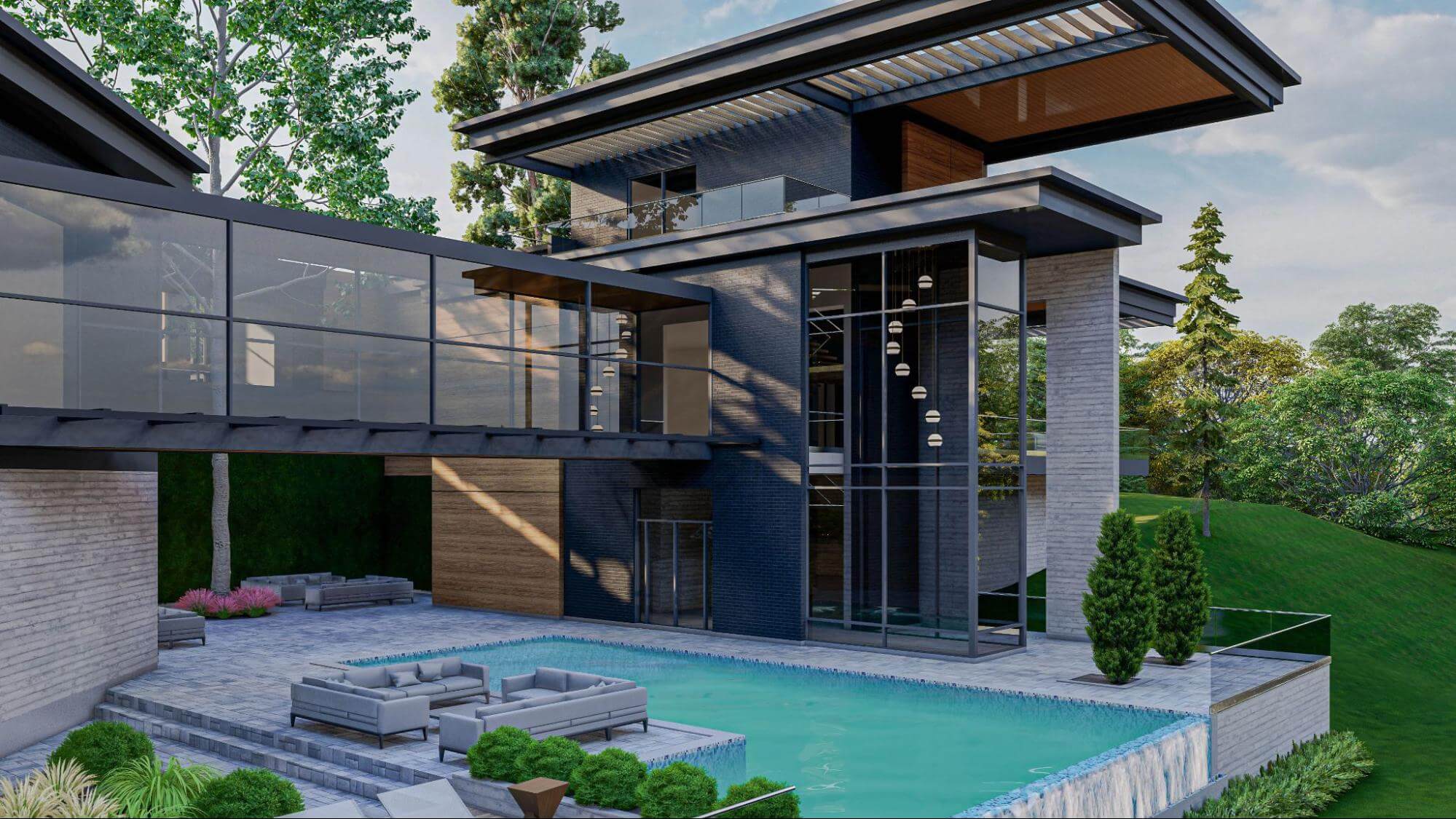
It doesn’t start with square footage. It starts with something you feel before you even park. You drive out Friday evening, cooler packed, playlist queued. That last stretch into the Columbia Valley winds through the trees and opens to the sky. The air changes. The kids are barefoot before the car’s even in park. Your phone? Forgotten. And it hits you: this isn’t a vacation. It’s a rhythm. A new kind of normal you could get used to. Across Alberta, more and more buyers are making that realization permanent, not by rushing to build, but by staking a quiet claim. Not to flip land. Not to race into construction. But to secure something bigger: time, freedom, and space to grow. Welcome to CastleRock and Lake Windermere Estates—two rare land ownership opportunities just minutes from Invermere, BC. Whether you’re dreaming of weekend getaways or laying the foundation for something that lasts, this isn’t just about buying property. It’s about creating a life that’s yours. Want to see what’s inspiring these buyers before the public auction opens?Get Lot Alerts and Early Access Jump To: What You’re Buying Isn’t on a Map Sure, these lots come with zoning, access, utilities, and maps—but that’s not what people are drawn to. They’re drawn to what the land represents. A weekend basecamp close to home. A long-view retreat built in phases. A future their kids will remember. A peaceful corner of the world that doesn’t come with pressure. “It wasn’t ‘buy now, decide later.’ It was ‘start now, build when it’s right.’”— Kyle, Red Deer He didn’t plan on buying land. But after one trip through the Columbia Valley, he registered—and found a lot that matched both his goals and his pace. And he’s far from alone. Every day, lots are being tracked and inquiries are coming in from families and individuals across Alberta. In fact, over half of current interest comes from Calgary, Red Deer, and Edmonton—places close enough for a quick drive, far enough to feel like a true reset. The rest? Many are BC buyers from nearby communities, drawn by that same blend of proximity and possibility. These aren’t just parcels. They’re the framework for a lifestyle shift—one that doesn’t force urgency, but invites intention. Not sure which community is right for you?Compare CastleRock & Lake Windermere Estates CastleRock: A Place to Belong—Not Just Escape To You arrive just before dinner. The kids head for the trail. The cooler hits the deck. Grill’s already lit. Your partner is barefoot, kicking a ball with the kids across the open field. This is CastleRock “The Park.” It’s not a resort. It’s not a rental. It’s a community built for real life—on your terms. Surrounded by over 85 acres of green space and walkable trails, CastleRock is already home to families doing weekends (and life) differently. The lots are fully serviced. The build window is five years. And every design guideline is built to protect long-term value without rushing your vision. “We didn’t want a timeshare or a resort feel—we wanted something real. CastleRock gave us the feeling that we could show up any weekend and just… breathe.” — Amina & Jordan, Calgary They started slow, tenting on weekends, walking the land, meeting neighbours. Over time, their vision for a walkout build near the trail took shape. CastleRock’s fully serviced lots and five-year build window gave them time to do it their way. Whether you’re designing now or just showing up on weekends, you’re joining something already in motion. CastleRock offers: Water, sewer, power, and gas—ready to go Flat and sloped lots near trails and open space No speculation tax No rush to build (5-year timeline) Explore CastleRock LotsView Features, Maps, and Timeline Options Lake Windermere Estates: Where Legacy Has Room to Grow The road narrows. The trees get taller. You turn off the pavement, and everything slows down. Five acres stretch out around you—elevated, wooded, and quiet. The lake glints through the branches. You start imagining what could live here for decades. This is Lake Windermere Estates—a limited release of 2.5 to 5-acre estate parcels just five minutes from Invermere. Zoned for flexibility. Protected by thoughtful design guidelines. Built for those who want to shape the long view. “We weren’t in a rush. Lake Windermere let us dream bigger—without deadlines, without pressure. It felt like buying a possibility, not just property.”— Marianne & Dave, Edmonton They started with a guesthouse—just enough for family to visit. The main home will come later. No urgency. Just a long-term plan supported by SH-2 zoning, allowing for secondary dwellings and phased construction. Lake Windermere Estates gives you: Privacy and seclusion, five minutes from town Architectural guidelines that protect property values No speculation tax or build deadlines Rare estate-format ownership with lake and mountain proximity Explore Lake Windermere Estate LotsView Ownership Details, Maps, and Features What All These Buyers Have in Common From first-time buyers investing in independence to retired couples planning legacy builds—what they’re buying isn’t just land. It’s a future they get to shape on their own terms. A break from the pace of city life. A lifestyle that doesn’t need to wait for retirement. A chance to be early, while inventory is still available. Most buyers cite freedom, flexibility, and family as their primary motivations, not price, not resale value. They’re not speculators. They’re vision-builders. And their momentum is growing. Want to be the first to hear about new releases and buyer stories? Join the VIP List You Don’t Have to Be Ready. You Just Have to Be Early. Most people don’t regret waiting to build.They regret missing their window to own. Right now, CastleRock and Lake Windermere Estates are offering: Fully serviced, build-ready, and estate-sized lots (CastleRock is fully serviced; Lake Windermere Estates comes with well and septic; propane setup is required) Zoning flexibility for phased and multi-generational use Build timelines that match your pace (CastleRock has a 5-year timeline; Lake Windermere Estates has no build deadline) Public auction access with no obligation to bid