Agricultural Land

Alberta farmland values 2024 to 2025 with growth stats for provincial average, irrigated land, and Northern Alberta

Alberta Farmland Values: What 2024 Taught Us and What to Expect in 2025

By in Land News with 0 Comments

Back in 2020, few landowners would have predicted how quickly farmland in Alberta would rise in both price and prominence. Fast forward to August 2025, and we’ve now got the numbers from 2024 to confirm what many landowners were already seeing on the ground: values are up, competition is strong, and interest in irrigated parcels has never been higher. Whether you’re holding farmland in Northern Alberta or looking to acquire irrigated land along the Lethbridge corridor, the data paints a clear picture: quality land continues to appreciate, but not evenly across the province. This article takes a look at where Alberta farmland values have been, what the latest numbers from 2024 reveal, and how that momentum is likely to shape the second half of 2025. Jump To: Alberta Farmland Value Snapshot from 2024 The Serecon Farmland Value Trend Newsletter, published in May 2025, reported a +7.75% average increase in Alberta farmland values for 2024 across quality dryland properties. While this was slightly below the previous year’s +9% rise, it still reflects a healthy appetite for agricultural land, especially in regions with access to irrigation or larger tracts suitable for scaling operations. Growth by Region (2024): • Northern Alberta: +10.25% • Central Alberta: +10.00% • Southern Alberta (dryland): +5.5% • Peace Region: +5.0% • Southern Alberta (irrigated): +16.0%Farmland_Value_Trend_Ne…   These increases highlight a continuing divide between dryland and irrigated parcels, especially in the southern belt of the province. Landowners in prime irrigation zones such as Lethbridge to Bow Island, Taber to Brooks, and Nobleford to Enchant/Vauxhall saw some of the steepest value jumps in the province.  What’s Fueling Alberta Farmland Appreciation? Irrigation Pressure & Climate Volatility One of the dominant factors behind land appreciation has been the growing value of irrigation. With dry conditions continuing in much of Southern Alberta, irrigated land has gained ground as a safer, more predictable investment for crop production. Buyers, particularly those focused on high-value specialty crops, are prioritizing access to water rights and proximity to established irrigation infrastructure. If you’re considering farmland for commercial use or as a long-term investment, you’ll want to look into how to find the best farms in Central Alberta that meet your water and zoning needs. Limited Inventory and Expansion by Operators Farmers already operating in Alberta are continuing to expand their holdings. This is especially true in Northern and Central Alberta, where land is still more accessible price-wise than Southern Alberta’s irrigated zones. With fewer parcels coming on the market, especially those over 160 acres, buyers are competing aggressively to secure property that fits their long-term business needs. This demand-driven environment has pushed average prices up even in less irrigated areas. Capital Protection and Long-Term Asset Value Alberta land continues to offer strong investment appeal due to its historically consistent value growth, relative affordability compared to other provinces, and utility as a tangible asset. In periods of inflation or economic uncertainty, farmland has repeatedly served as a store of value. According to Statistics Canada, total farmland across the country has shrunk by over three million acres since the early 2000s. Scarcity, paired with growing demand, is one reason farmland in Alberta remains resilient through shifting economic cycles. Alberta vs. Saskatchewan: Who Came Out Ahead? While Alberta saw a solid +7.75% gain in 2024, Saskatchewan outpaced it with a +11.25% average increase. Areas such as the East Central and Southeast regions in Saskatchewan saw particularly strong jumps due to both availability and expanded irrigation projects. These provincial averages were reported in Serecon’s 2024 Farmland Value Trend Newsletter, published in May 2025. Still, Alberta’s irrigated land saw some of the highest isolated gains across the Prairie Provinces. With water rights and irrigation infrastructure being harder to access in Saskatchewan, Alberta continues to lead in irrigation-ready parcel value. Key Indicators to Watch for the Remainder of 2025 Now that we’re in Q3 of 2025, here are the most relevant trends and potential shifts that could impact Alberta farmland values before year-end. 1. Irrigated Land Will Remain the Highest-Demand Asset With another dry growing season on the books, Alberta’s irrigated corridors remain the most competitive markets. Sellers in these areas are in strong positions, while buyers will need to act quickly and assess water access thoroughly. If you’re actively buying, you may want to familiarize yourself with the loan application options available for purchasing land in Alberta. 2. Larger Parcels May See Premiums Buyers are increasingly consolidating land for scale, especially in Northern and Central Alberta. Listings with more than 320 acres in a single block may carry a growing premium heading into the winter season. 3. Investment Buyers Are Entering the Market From out-of-province investors to family offices and agricultural REITs, the buyer pool is growing more diverse. This shift is encouraging a more analytical approach to land purchasing, where soil classification, water access, zoning, and yield potential are being weighed more seriously. For buyers seeking tax advantages or operational benefits, it’s also worth looking into farm status in Alberta for 2025. 4. Lending & Interest Rates Remain a Watch Item While interest rates have remained relatively stable so far this year, any shifts by the Bank of Canada could affect land borrowing power by Q4. Buyers considering leveraging for farmland acquisition should assess financing windows sooner rather than later. Should You Buy or Sell in 2025? For Sellers: If you hold land in prime irrigation areas or larger parcels with strong road access and workable soils, the market conditions remain favourable. There’s strong demand, and the scarcity of large irrigated parcels makes 2025 a seller’s market in many regions. For Buyers: Land is still appreciating, but not uniformly. If your goal is operational efficiency or long-term asset growth, 2025 could be an ideal time to secure land in Central and Northern Alberta before prices climb further. In either case, knowing where values are heading is only half the picture. Working with a broker who understands Alberta’s rural zones, irrigation maps, and zoning designations can help you move with purpose and

Read More

Land broker and ranch buyer standing beside a pickup truck on a rural Alberta road, with grazing cattle and rolling hills in the background.

Looking at Ranches for Sale in Alberta? Here’s Why a Specialized Land Broker Makes All the Difference

By in Agricultural Land with 0 Comments

Alberta’s ranching legacy runs deep, rooted in a culture of stewardship, hard work, and respect for the land. Whether it’s dryland pastures, irrigated grazing lands, or mixed-use properties, ranches for sale in Alberta represent a unique investment opportunity that goes far beyond a basic land transaction. Buying or selling ranch land is rarely straightforward. Each parcel comes with its own environmental, economic, and regulatory nuances. From grazing leases and water rights to soil classifications and zoning bylaws, there’s a lot to sort through. That’s where a specialized land broker steps in, not just to facilitate the transaction, but to make sure it’s a smart, strategic move for you. Jump To: Alberta’s Ranching Market: A Brief Snapshot Ranching remains a cornerstone of Alberta’s economy and cultural identity. As of the latest data from Statistics Canada, Alberta leads the nation with over 4.6 million hectares of pasture land, housing nearly 40% of Canada’s beef cows. The province offers a wide range of ranch properties, from foothill grasslands to prairie rangelands, each with different implications for livestock, land use, and long-term sustainability. But that variation also creates complexity. And complexity calls for more than a generalist approach. What Makes Ranch Land Different? Not all land is created equal. While ranches for sale in Alberta can share similarities with farms, recreational land, or acreages, they require a more nuanced perspective due to: Grazing Leases Public land leases (often referred to as Grazing Leases or Grazing Dispositions) are a critical part of many Alberta ranches. These are regulated under the Public Lands Act, with leaseholders paying annual fees and meeting specific land stewardship standards. Understanding how these leases are transferred, or not, is vital to the deal. Water Access and Rights Ranches depend on sustainable access to water for livestock and possibly irrigation. Alberta Environment and Protected Areas manages Water Act licensing, which governs both surface and groundwater use. An oversight here could mean costly legal battles or operational limitations down the line. Soil and Carrying Capacity The soil composition directly impacts the land’s ability to support livestock. A knowledgeable land broker can access agricultural capability ratings and guide buyers on realistic carrying capacities. Zoning and Land Use Zoning bylaws can limit or support ranch operations depending on the municipality. Some areas may restrict outbuildings, subdivisions, or other agricultural expansions. Having someone well-versed in regional regulations can avoid future roadblocks. Why a Specialized Land Broker Changes the Outcome The stakes in a ranch transaction are too high to treat it like a residential or commercial property deal. A land broker who specializes in Alberta ranch properties brings experience, data, and a relationship-driven approach that general brokerages often miss. Deep Knowledge of Agricultural Legislation From the Alberta Land Stewardship Act to the Agricultural Operation Practices Act, these aren’t minor details. They’re deal-breakers, or deal-makers. Brokers with firsthand knowledge help navigate the right compliance paths to avoid financial or legal setbacks. Tailored Marketing and Buyer Matching When you’re selling, you don’t just need exposure. You need exposure to the right audience, those who understand the value of the land, its operational potential, and are prepared for the stewardship it demands. A specialized land broker knows where those buyers are and how to speak their language. Strategic Financing Support Financing ranch land isn’t the same as financing a house or even a general agricultural parcel. Knowing how to guide buyers through tailored financial solutions, including ag-specific loans, is critical. If you’re interested in how to secure that kind of financing, take a look at our guide: Purchasing Land? Here’s How to Apply for a Loan in Canada Common Pitfalls a Generalist Might Miss A broker without rural land experience might overlook key issues that can derail a ranch transaction or diminish its value. Some red flags that require specialized attention include:  • Unclear title on leased grazing land • Misidentified soil productivity • Improper fencing or boundary assessments • Lack of due diligence on wildlife conservation easements • Absence of Environmental Farm Plan documentation   In contrast, a land broker with a strong background in Alberta’s agricultural industry knows how to pre-screen for these issues and, more importantly, how to solve them.  The Role of a Broker in Identifying Investment Potential Not every buyer is a lifelong rancher. Some are looking at ranches for sale in Alberta as long-term investments, lifestyle opportunities, or for diversification. A land broker helps assess not only current use but future value, resale timing, and return on investment through multiple avenues, including:  • Agricultural production • Conservation easements • Ecotourism and hunting leases • Leasing land to local producers  This sort of strategic planning is invaluable and often missed without the right guidance. Regional Expertise Is Not Optional Let’s say you’re focused on central Alberta. A broker who knows the ins and outs of that region, down to the bylaws, drainage patterns, flood risks, and buyer demand, can offer real leverage. If central Alberta is your target, check out our detailed guide: Looking for Farms for Sale in Alberta? Here’s How to Find the Best Ones in Central Alberta How Brokers Help You Move From Land to Livestock Buying ranch land is one thing. Turning it into a functional ranch operation is another. A land broker doesn’t just connect you to a parcel; they help you connect the dots: fencing, shelter, grazing schedules, and even steps like applying for farm status. That process is more than paperwork. It affects your taxes, insurance, and eligibility for programs. Here’s what that process looks like in Alberta: Applying for Farm Status in Alberta – 2025 Guide Market Trends You Should Know As of mid-2025, Alberta’s ranch market continues to show strong buyer interest, particularly in regions with established grazing leases and close proximity to feedlot infrastructure. According to Alberta Agriculture and Irrigation, land prices have increased steadily over the past five years, particularly for properties in the southern and central zones. High inflation and interest rate fluctuations have led some buyers to diversify portfolios into

Read More

Round hay bales scattered across a green field with golden autumn trees in the distance, beneath a partly cloudy sky on a peaceful countryside day.

Looking for Farms for Sale in Alberta? Here’s How to Find the Best Ones in Central Alberta

By in Agricultural Land with 0 Comments

Farms and acreages for sale in Central Alberta have consistently attracted attention from both experienced farmers and savvy land investors. This region, known for its fertile soils, reliable yields, and strong agricultural infrastructure, presents a compelling opportunity for those looking to invest in Alberta’s thriving farmland market. It’s more than just a piece of property—it’s a chance to secure a tangible asset with long-term growth potential, backed by the ever-present demand for food production, rural living, and land-based investments.   But finding the right farm isn’t as simple as scanning listings or comparing prices. Each parcel of land tells a different story, with its own soil composition, water access, and productivity potential. Success in this market requires a deeper approach—understanding the factors that influence farmland values, recognizing the unique advantages of Central Alberta, and knowing how to evaluate properties for both immediate returns and future growth. This guide provides a detailed look at how to find the best farms for sale in Alberta, with a particular focus on acreages for sale in Central Alberta. From soil analysis and financing options to location insights and potential pitfalls, you’ll learn how to make an informed, strategic decision that aligns with your goals—whether you’re building a family legacy, expanding operations, or investing in Alberta’s agricultural future. Jump To: The Strength of Alberta’s Farmland Market Alberta has built its reputation as an agricultural powerhouse on strong fundamentals—rich soil, steady commodity demand, and an economy that supports both large-scale operations and family-owned farms. Why Central Alberta? Central Alberta stands out as one of the most attractive regions for farmland investment, offering a rare balance between affordability and productivity. While areas like Southern Alberta have seen prices surge due to irrigation infrastructure and large-scale corporate acquisitions, Central Alberta continues to offer fertile, high-yield land at more accessible price points.    The region’s soil quality, particularly the rich black and dark brown chernozemic soils, supports a wide variety of crops, from wheat and canola to pulses and specialty grains. These natural advantages, combined with a stable climate and reliable growing seasons, make Central Alberta a practical and profitable choice for both farmers and investors alike.   Beyond the soil, the region benefits from well-established infrastructure and strong community support. Central Alberta sits within easy reach of key transportation routes, including the Queen Elizabeth II Highway, connecting farms directly to major markets in Calgary, Edmonton, and beyond. Proximity to processing facilities, grain terminals, and livestock markets ensures efficient logistics for agricultural operations.    According to Farm Credit Canada (FCC), Alberta farmland values increased by 6.5% in 2023, continuing a steady pattern of growth over the past decade. While this growth was below the national average of 11.5%, it highlights the ongoing demand for agricultural land in the province. This appreciation, combined with Alberta’s strong agricultural sector and limited farmland availability, makes Central Alberta a strategic choice for those seeking long-term investment in farmland. Finding the Right Farm: Step-by-Step The process of purchasing farmland in Central Alberta requires more than just scanning listings and comparing prices. It’s about understanding the long-term potential of the land, evaluating key factors like soil quality and water access, and ensuring your goals align with the property’s capabilities. Let’s break down the essential steps for making a smart, informed decision. 1. Defining Your Goals Buying farmland isn’t just a financial transaction—it’s a long-term decision that should align with both personal and business objectives. Some buyers seek farms for sale in Alberta to expand their agricultural operations, while others see land as an investment with steady appreciation. Understanding the purpose of the purchase from the start helps narrow down choices and ensures that the land meets both current and future needs. A well-chosen farm isn’t just an asset; it’s the foundation of a business, a legacy, or a financial strategy.   For those looking to operate a working farm, priorities will center around soil fertility, irrigation access, and proximity to suppliers. A high-yield property with reliable water sources and favorable growing conditions will outperform a lower-cost option in the long run. Investors, on the other hand, often focus on market appreciation, lease potential, and long-term land value trends. This group should be considering how external factors like rezoning, infrastructure expansion, or urban growth could impact the resale value. For families looking to establish a generational farm, a blend of strong agricultural potential, lifestyle benefits, and long-term security comes into play. 2. Evaluating Farmland Prices in Central Alberta Land prices vary widely across Alberta, and while Central Alberta offers a balance of affordability and productivity, not all properties hold the same value. A farm’s worth isn’t just dictated by acreage—it depends on soil productivity, infrastructure, and accessibility.  Over the past decade, Alberta farmland has consistently gained value, reflecting strong demand despite economic fluctuations. Even as external factors like interest rates and input costs fluctuate, farmland remains a resilient asset class. The 6.5% increase in 2023, as reported by FCC, underscores this trend, reinforcing Alberta’s position as a stable and appreciating agricultural market   Several factors influence a farm’s price beyond basic acreage costs. Soil classification plays a critical role—chernozemic soils, found in Central Alberta, are among the most fertile in the country. Infrastructure also holds significant weight; properties with established grain storage, fencing, and irrigation systems naturally command higher values.    Proximity to key agricultural networks—such as grain elevators, processing plants, and major highways—further determines how well a property will hold its worth over time. Buyers looking at acreages for sale in Central Alberta should work with a land broker to analyze historical sales data and ensure they’re making an informed purchase. 3. Location Matters More Than You Think Not all farmland is created equal, even within Central Alberta. While the region as a whole offers excellent growing conditions and strong market demand, individual counties differ significantly in terms of soil quality, infrastructure, and economic opportunities. Location is about more than just where a farm sits on the map—it determines the ease of operations, market

Read More

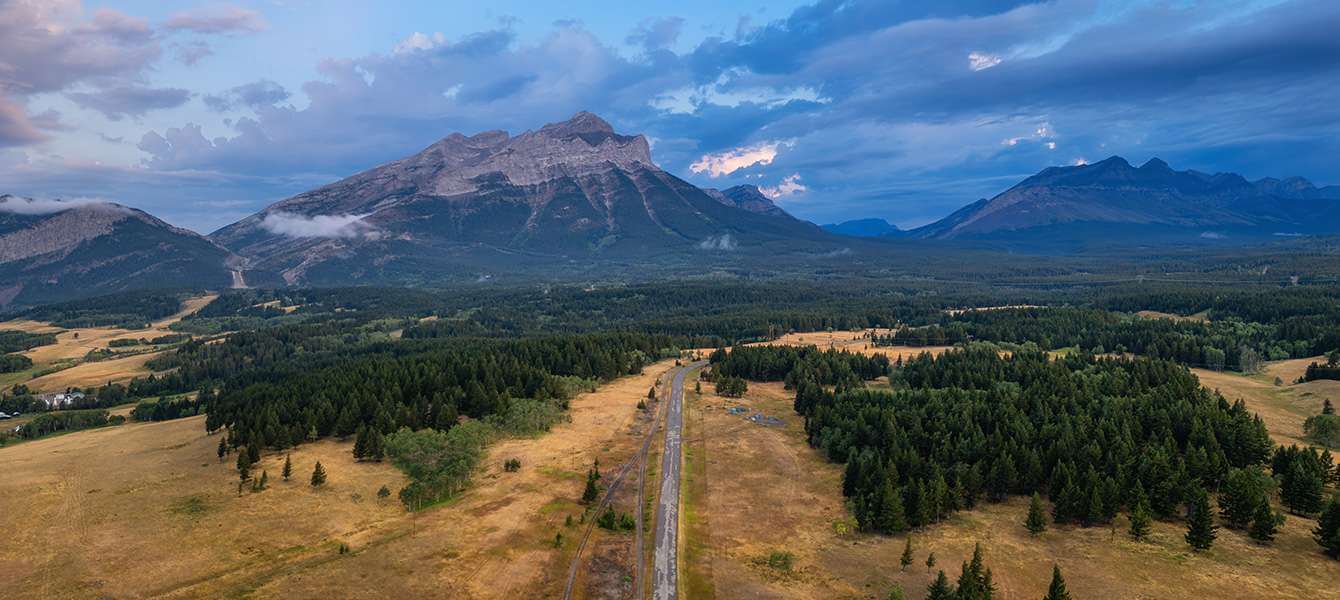
A stunning aerial view of a winding road cutting through open fields and dense forest, with towering mountains in the background under a soft, cloudy dusk sky.

Rural Properties for Sale in Alberta: What to Know Before You Buy or Sell

By in Investment & Development Land with 0 Comments

The demand for rural property for sale in Alberta is stronger than ever. Shifts in lifestyle, growing interest in land investment, and changes in ownership regulations are shaping the market.   For buyers, understanding zoning laws, access to water, and infrastructure costs can make the difference between a smart investment and an unexpected challenge. Sellers need to position their land strategically to attract serious buyers and secure the best possible price.   Land transactions require a different approach than urban real estate. Whether purchasing farmland, selling recreational land, or investing in acreage, knowing how to move forward with confidence is key. Jump To: What’s Driving Alberta’s Rural Real Estate Market? The rural land market in Alberta is shaped by evolving buyer priorities, economic conditions, and government regulations. These factors influence pricing, demand, and investment potential. 1. The Shift to Rural Living The rise of remote work has significantly influenced residential preferences, with many individuals opting for rural settings that provide greater privacy and space. Studies indicate that this shift has led to increased demand for properties in rural areas, as remote workers seek environments that offer both tranquility and connectivity. For instance, research from the Upjohn Institute highlights that the trend of working from home has given many rural communities in the Midwest their first population boost in years. Similarly, a report by the Center on Rural Innovation emphasizes the importance of investing in quality of life and broadband infrastructure to attract remote workers to rural areas.   In Alberta, this increased interest in rural living has contributed to a steady appreciation in farmland values. The Farm Credit Canada Farmland Values Report indicates a 6.5% increase in cultivated farmland values in 2023, following a 10.0% rise in 2022.   This trend underscores the growing appeal of rural properties among buyers seeking long-term value and a respite from urban congestion.] This farmland value analysis provides insight into pricing trends and investment potential. 2. Farmland and Agricultural Investments Alberta’s agricultural sector remains strong, attracting buyers interested in both traditional and specialty farming. Soil quality, water access, and infrastructure determine the value of farmland, and demand remains steady for properties suited for cattle operations, crop production, and mixed-use farming. 3. Recreational Land and Alternative Uses Recreational properties near Alberta’s lakes, forests, and foothills are in high demand. Buyers are using land for private retreats, eco-tourism ventures, and alternative income sources. Some landowners are turning to innovative ways to generate revenue through short-term rentals, guided outdoor experiences, and conservation projects. 4. Changing Ownership Rules and Regulations Foreign ownership policies, environmental conservation laws, and municipal zoning updates all impact property transactions. Sellers and buyers must stay informed on how these regulations affect land use, taxation, and future development potential. Key Considerations Before Buying Rural Property in Alberta Rural land comes with variables that can impact its value and usability. Due diligence is essential before making a purchase. 1. Zoning and Land Use Restrictions Zoning laws dictate what activities are permitted on a property. Agricultural zoning, for example, may limit commercial or residential development, while recreational land could have restrictions on permanent structures.   Action Step: Always check with the local municipality before purchasing to confirm permitted uses and any restrictions that may affect long-term plans. 2. Water Rights and Availability Reliable access to water is one of the most important factors when purchasing rural real estate. Depending on the property, water may come from wells, dugouts, or licensed water sources.   Key questions to ask:   Does the property have a working well, and has it been tested for quality? Are there legal water rights associated with the land? What are the costs of installing or upgrading water infrastructure? Resource: The Government of Alberta’s water licensing guide provides details on water use policies. 3. Utilities and Infrastructure Costs Unlike urban properties, rural land may not have immediate access to electricity, natural gas, or high-speed internet. If services are not already in place, installation costs can be significant.   Key Considerations:   The distance to the nearest power grid and potential connection costs. The availability of internet and cellular service. Septic system requirements and installation feasibility. 4. Access, Easements, and Road Maintenance Some properties may have no direct road access, requiring easements across neighboring land. Seasonal road conditions can also impact accessibility, especially in remote areas.   Before purchasing, confirm:   The legal status of access roads. Who is responsible for road maintenance. Any existing agreements with neighboring landowners. 5. Soil Quality and Environmental Restrictions For buyers interested in farming or land development, soil quality is critical. A professional soil test can reveal information about drainage, fertility, and potential contamination risks.   For guidance on maintaining agricultural land, review these land management tips. Selling Rural Property in Alberta Rural real estate requires a tailored sales approach. Reaching the right buyers and showcasing a property’s value requires strategy and expertise. 1. Pricing Land for Maximum Value Determining the appropriate listing price for rural properties involves analyzing various factors such as location, soil quality, infrastructure, and water access. An experienced land broker evaluates comparable sales, current market conditions, and specific property features to establish a price that appeals to serious buyers while ensuring sellers achieve optimal returns.    Accurate pricing is crucial; overpricing can lead to properties lingering on the market, diminishing buyer interest and potentially resulting in lower final sale prices. Conversely, underpricing may lead to a swift sale but could mean sellers miss out on potential profits. Therefore, a well-informed pricing strategy is essential for a successful transaction. 2. Targeted Marketing for Rural Properties Selling rural land requires more than just listing it on a real estate platform. Since many buyers come from outside the local area, marketing efforts should reach beyond Alberta.   Effective marketing strategies include:   High-quality aerial and drone photography to showcase the land’s potential. Strategic online advertising to reach agricultural investors and recreational buyers. Listing on specialized land brokerage platforms for maximum visibility. 3. Legal and Tax Considerations Rural land

Read More

  • A brown cow grazing on dry pasture during a drought.
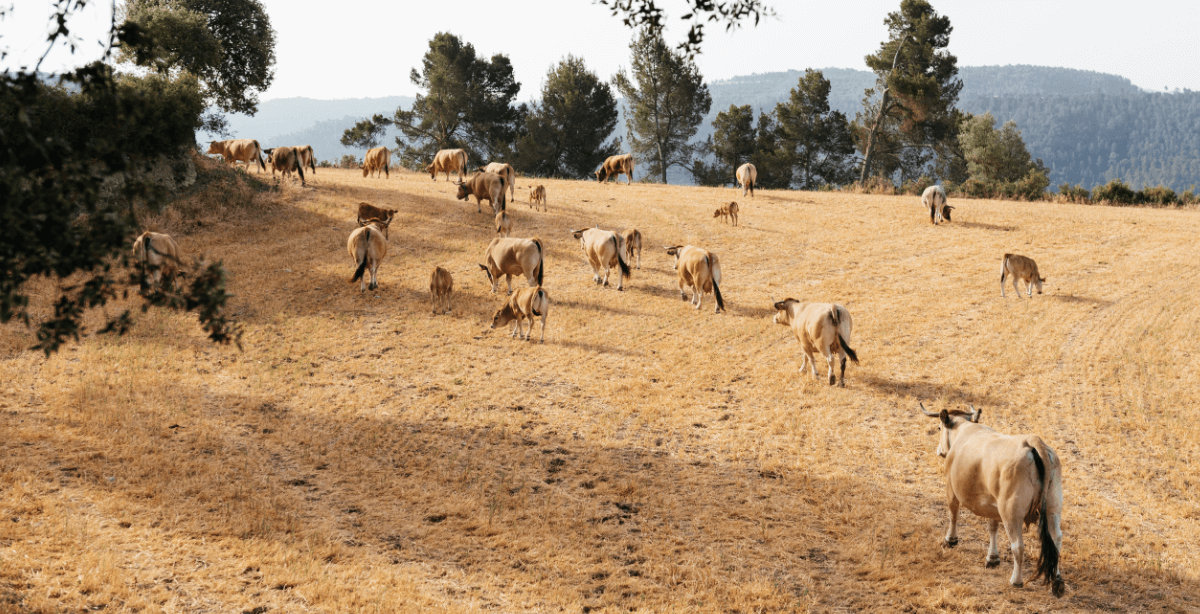
  • A group of cattle spread out across a sunlit, dry field, grazing peacefully, with a backdrop of distant trees and rolling hills.

Effective Strategies On How To Manage Pastures In Drought

By in Agriculture with 0 Comments

Drought conditions can take a heavy toll on pastures, making it vital for landowners to have an effective plan for how to manage pastures in drought. As dry periods become more frequent across Canada, managing pastures in drought requires careful grazing strategies to protect the health of both the land and livestock. This guide covers practical approaches to grazing management during drought, helping landowners maintain pasture productivity and avoid long-term damage, even in challenging weather conditions. Jump To: The Impact Of Drought On Managing Pastures Pastures are especially vulnerable to drought, as moisture is essential for the growth of grasses and forages. Prolonged dry periods can lead to reduced vegetation cover, weakened root systems, and long-term damage to soil health. As the grass thins, the risk of overgrazing increases, which compounds the negative impact of drought on land productivity. According to Agriculture and Agri-Food Canada, droughts are occurring more frequently and lasting longer in certain regions. The 2021 drought, for example, was one of the worst in recent decades and affected millions of acres of farmland, leading to a sharp decline in pasture productivity across Western Canada. Grazing management during drought, therefore, isn’t just about surviving the short-term—it’s about planning for sustainability. Key Strategies For Managing Pastures In Drought Conditions Adjust Stocking Rates One of the most important steps in managing pastures during a drought is adjusting your stocking rates. A drought-stricken pasture simply cannot support the same number of livestock as it would under normal conditions. To prevent overgrazing, reduce your herd size based on forage availability. Start by assessing the current condition of your pasture. Using a combination of visual observation and soil testing, you can estimate how much forage is left and whether it’s healthy enough to sustain your livestock. Many land managers recommend reducing stocking rates by 20-50% during severe droughts to prevent long-term pasture damage. Implement Rotational Grazing Rotational grazing allows pasture recovery by giving each section of the land a rest period. This system involves dividing your pasture into smaller paddocks and moving livestock between them, ensuring no one section of land is grazed for too long. During droughts, rest periods should be extended to give the plants more time to recover. The lack of moisture slows down plant regrowth, so pastures need longer recovery times to prevent damage to root systems and overall soil structure. Implementing a flexible rotational grazing plan can reduce the risk of overgrazing and allow vegetation to regenerate once conditions improve. Monitor Soil Health And Moisture Levels Soil health plays a crucial role in the resilience of pastures during drought. Healthy soils, rich in organic matter, are better at retaining moisture, even in dry conditions. Regular soil testing can provide valuable insight into how well your soil is equipped to handle drought stress. To maintain soil health during drought, consider strategies like reducing compaction, improving water infiltration, and ensuring adequate ground cover. Grazing management during drought should focus on minimizing soil disturbance and protecting what moisture remains in the soil. Practices like no-till seeding can help regenerate pastures without disturbing the soil structure, retaining the moisture necessary for plant growth. Enhancing Grazing Management During Drought Feed Supplementation When pastures are not producing enough forage, supplemental feeding becomes a critical aspect of drought management. You can reduce grazing pressure by providing livestock with alternative feed sources like hay, grain, or silage. Not only does this protect the pasture from overgrazing, but it also ensures your animals receive adequate nutrition during the drought period. Keep in mind that supplementing feed should be done strategically to avoid waste. Monitor the intake of supplemental feed to make sure animals are not overly dependent on it, while still managing the grazing impact on your land. Use Sacrifice Areas Sacrifice areas are designated sections of land where livestock can be concentrated during times of drought, reducing the grazing pressure on more productive areas. While this area may be damaged due to overuse, the rest of your pasture can remain healthier and recover more quickly once the drought ends. Choose a low-quality pasture or an area where you can afford to let the grass die off temporarily. After the drought passes, you can reseed and rehabilitate this section while rotating your livestock back to the healthier parts of the land. Enhance Water Management Water is a limiting factor during droughts, not just for plants but also for livestock. Implementing efficient water systems is crucial to ensure that livestock has access to clean, adequate water without depleting available resources. Consider installing water tanks or troughs in multiple locations to prevent livestock from trampling sensitive areas around natural water sources. Water retention techniques, such as building ponds or investing in rainwater harvesting systems, can also help improve your farm’s resilience to drought. While this may not immediately solve the problem, it’s a long-term investment that can mitigate future drought risks. Long-Term Strategies For Managing Pastures in Drought Plant Drought-Resistant Species One long-term strategy for dealing with frequent droughts is incorporating drought-resistant plant species into your pasture mix. Some native grasses and legumes are more resilient to dry conditions and can thrive with limited water. Species like crested wheatgrass or western wheatgrass are known for their drought tolerance and deep root systems, which help retain soil moisture. By diversifying your pasture plant species, you create a more resilient ecosystem that can withstand varying conditions and recover faster once the drought breaks. Improve Ground Cover Maintaining ground cover is one of the best ways to protect your pasture during drought. Ground cover, which includes grasses, forbs, and even crop residue, acts as a barrier that reduces water evaporation and protects the soil from erosion. Bare soil is particularly vulnerable to the harsh effects of drought, so ensuring that your land has consistent cover can help minimize damage. Techniques like planting cover crops or spreading organic mulch can help retain soil moisture and reduce erosion, especially during the early stages of drought. Financial And Government Assistance For Landowners Managing pastures

Read More

  • A handshake between two people with a wooden house model and keys on a table, symbolizing the completion of a farm sale transaction in Alberta.
  • A lush green field under a vibrant sunrise, showcasing the potential and beauty of Alberta farmland ready for sale.
  • A vibrant red barn and farmhouse set against a backdrop of lush green fields and trees, exemplifying a well-maintained farm in Alberta ready for sale.
  • A farmer in a plaid shirt and cap uses a tablet while a drone flies over a sunlit field, demonstrating modern marketing tools for selling farmland in Alberta.
  • A lineup of red farm tractors and equipment on display, illustrating the importance of handling farm machinery separately when selling a farm in Alberta.
  • A person in a suit organizing files in a cabinet, highlighting the importance of maintaining detailed farm records for prospective buyers when selling farmland in Alberta
  • Two individuals shaking hands over a table, with one holding an envelope, symbolizing the completion of a farm sale agreement in Alberta.

When To Sell Your Farm In Alberta: An Essential Guide To Timing And Preparation

By in Land For Sale with 0 Comments

Selling your farm is a significant decision, one that requires careful planning and strategic timing. For those in Alberta looking to sell your farm, knowing the best time to list your land can make a substantial difference in attracting potential buyers and achieving a favourable sale.  Whether you’re transitioning to retirement or looking to capitalize on your investment, here are some key considerations to ensure your farm stands out in the competitive Alberta real estate market. Skip To What You Need To Know: Understanding The Alberta Real Estate Market Why First Impressions Matter When You Sell Your Farm Preparing Your Farm for Sale Leveraging Modern Marketing Tools To Sell Your Farm Strategic Upgrades And Maintenance Utilizing Professional Services Bonus Tip: Be Patient Understanding The Alberta Real Estate Market When it comes to selling your farm, understanding the dynamics of the Alberta real estate market is crucial.  Alberta, known for its vast farmlands and ranches, attracts buyers seeking agricultural investments and rural living.  Seasonal trends, economic conditions, and buyer preferences all affect the best time to list a property. Why First Impressions Matter When You Sell Your Farm It’s often said that you never get a second chance to make a first impression.  This is especially true when you sell your farm. When potential buyers visit your farm, their initial perception can heavily influence their decision-making process.  Making sure your property is visually appealing and well-maintained is the first step towards making a lasting impact. Preparing Your Farm for Sale The Approach to Your Farm The approach to your farm sets the tone for what buyers can expect. A clean, tidy entrance creates a welcoming atmosphere.  In the summer, make sure the grass is cut, and any old machinery or junk is removed.  Consider giving buildings a fresh coat of paint and repairing any visible damage. This not only improves aesthetics but also reassures buyers about the property’s upkeep. Timing Your Sale Spring and summer are generally the best times to list your farm in Alberta if you want to sell your farm.  During these seasons, the landscape is at its most vibrant, showcasing the full potential of your property.  Prospective buyers can see the farm in its prime, making it easier for them to envision themselves living and working there. Additional Resource For Alberta Farmers Download this guide to land ownership and sale in Alberta. This document provides comprehensive information on the legal aspects of selling farmland in Alberta, including deciding whether to sell through a real estate agent, an auction, or independently. Leveraging Modern Marketing Tools To Sell Your Farm Drone Footage and Photography Investing in professional drone footage and high-quality photographs can significantly enhance your property’s appeal. Capturing your farm during the lush summer months provides prospective buyers with a clear, comprehensive view of the land. This is particularly useful for buyers who may be unable to visit in person, especially during the winter when the farm might be covered in snow. Digital Listings Utilize digital platforms to list your farm if you’re looking to sell your farm. Websites dedicated to rural and agricultural properties, social media, and online marketplaces expand your reach to a broader audience. Detailed descriptions, virtual tours, and stunning visuals can attract more potential buyers. Strategic Upgrades And Maintenance Focus On Infrastructure Before listing your property, ensure all basic infrastructure is in working order. This includes grain handling machinery, maintenance shops, and any on-farm facilities. Clean and organize these areas to present them in the best light. A well-maintained infrastructure not only enhances value but also reassures buyers of the farm’s operational status. Land Utilization Make sure your farmland is as presentable and productive as possible. Address underproductive patches by converting them to grasslands or installing tile drainage. Both options can improve the land’s appearance and functionality, making it more attractive to buyers. Handling Farm Machinery And Equipment When it comes to selling your farm, consider excluding machinery from the sale price. This allows you to negotiate separately for these assets, providing flexibility for both you and the buyer. It also makes the property more accessible to buyers who might prefer different equipment brands or have their own machinery. Utilizing Professional Services Independent Evaluations If you have renters interested in buying your farm, get an independent evaluation to determine fair market value. This helps both parties understand the property’s worth and facilitates smoother negotiations. Record Keeping Keep detailed farm records, including data on yields, crop rotations, and inputs used. Providing prospective buyers with this information can build trust and demonstrate the farm’s productivity and potential. Bonus Tip: Be Patient Selling a farm is not an overnight process. It often requires patience and strategic planning. Start preparing your property for sale well in advance, ideally a few years before listing. This allows you to make necessary repairs, upgrades, and adjustments that can maximize your property’s value and appeal. Final Thoughts On Selling Your Alberta Farm Selling your farm in Alberta is a significant decision that requires careful planning and strategic timing.  By understanding the market, preparing your property, and leveraging modern marketing tools, you can maximize your farm’s appeal and value.  Remember, first impressions count, so take the time to present your farm in the best possible light.  With patience and the right approach, you can achieve a successful sale that meets your financial goals and ensures a smooth transition for the next owner. Ready to sell your Alberta farm for the best price? Hansen Land Brokers has the expertise and market knowledge to make it happen. Contact us today for a free consultation and let’s get your property in front of the right buyers.

Read More

Join the VIP List and Get Land Alerts

[contact-form-7 id="18258"]

Talk To A Land Specialist

[contact-form-7 id="16813"]